Alchymy
Description
Creating a data-driven change management product equips organisations to lead internal large-scale transformation programs.
Creating a data-driven change management product equips organisations to lead internal large-scale transformation programs.
Creating a data-driven change management product equips organisations to lead internal large-scale transformation programs.
Creating a data-driven change management product equips organisations to lead internal large-scale transformation programs.
Creating a data-driven change management product equips organisations to lead internal large-scale transformation programs.
Timescale
Project Duration
2018 - 2022
Skills
Areas
Design Strategy
Service Design
Service Design
Experience Design
Design Leadership
Project Overview
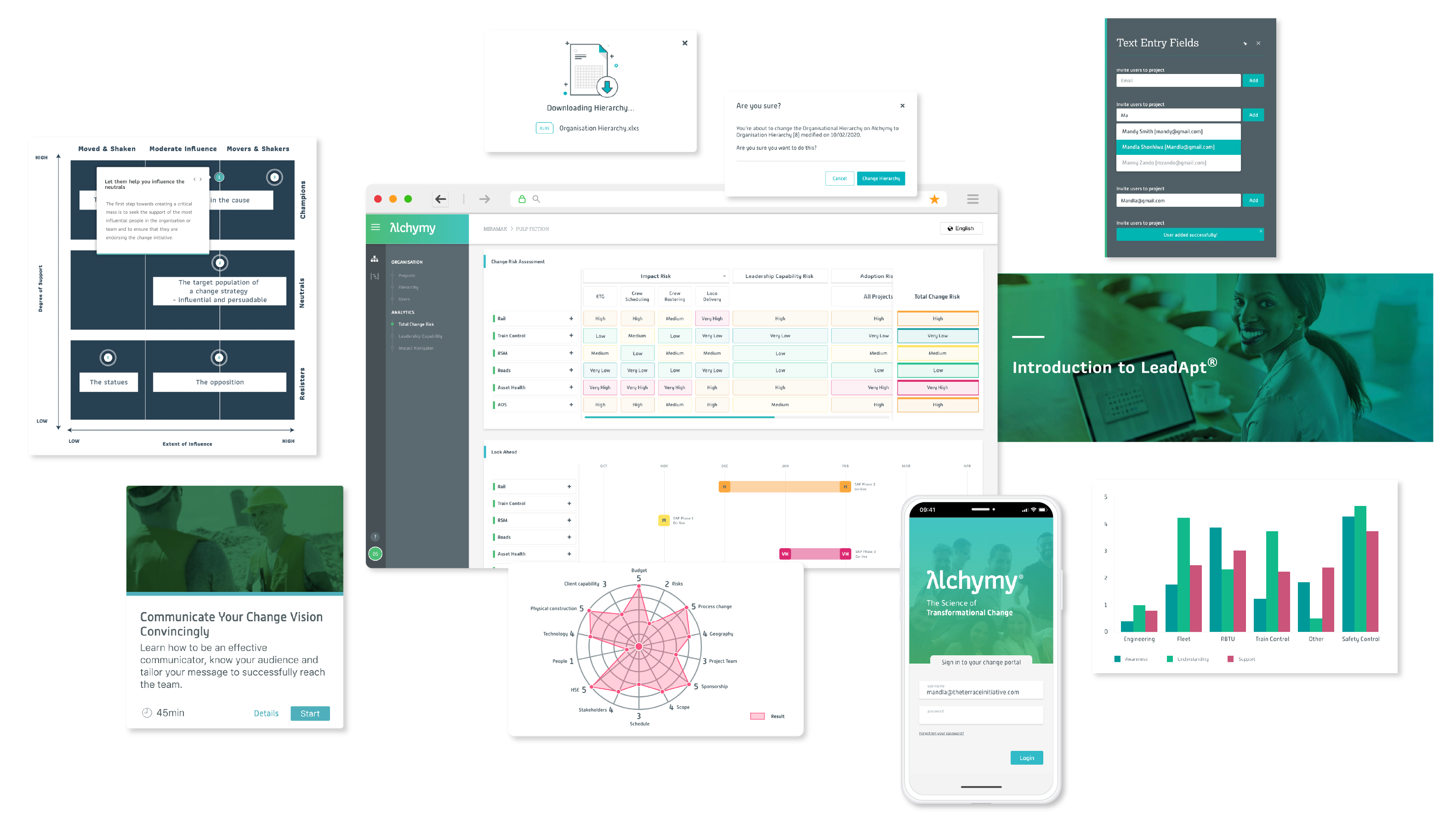
Alchymy® is an online platform with a suite of digital change tools and dashboards that provide and enable fit-for-purpose agile change management and targeted leadership training. It provides real-time visibility of an organisation's adoption levels, personnel-focus areas and change management risks, helping businesses navigate change through a contemporary approach to change management that is structured, leader-led and data-driven. Alchymy® is designed to address the common pitfalls of large-scale transformation initiatives by incorporating capabilities such as potential risk diagnostics, tracking people adoption, monitoring communications and engagements.
My Role
I was the Lead Product Designer for the Alchymy® platform. I was in charge of all major service design deliverables, from product strategy and planning user research, end-to-end user flows, and prototypes to marketing and learning content. This role included managing a team of Designers to integrate user needs with business goals to create a consistent brand and compelling product experiences. I also collaborated with Business Stakeholders, Product Owners, and the Engineering Team to manage the feasibility of feature/product releases and iterations.
The team consisted of myself, a Product Designer, a Motion Designer, Graphic Designers (2), a Product Owner, a Head of Engineering, Software Engineers (8), a Business Intelligence Engineer and a QA Automation Engineer.
Challenge
The velocity at which the world is changing means that for organisations to thrive, they need to be in a state of constant, rapid change. As a result, organisations struggle to help their employees adapt to continuous change and keep up with today's disruptions and digital pace. Furthermore, change teams within organisations have become overstretched, dealing with conflicting messages, incomplete projects and blown-out deadlines for multiple projects. They have had to use different tools which decentralise their change deliverables and planning, leading to version control issues, multiple unreliable documents and misaligned objectives.
Solution
Alchymy® is a digital change and leadership platform comprising 8 tools that provide leaders with invaluable insights about their leadership skills, change initiatives, data aggregation and execution planning via personalised dashboards. Alchymy®'s integrated innovative data platform enables organisations to easily recognise transformation patterns and harness their internal leadership capability to deliver transformational change with speed, certainty and effectiveness.
User Research
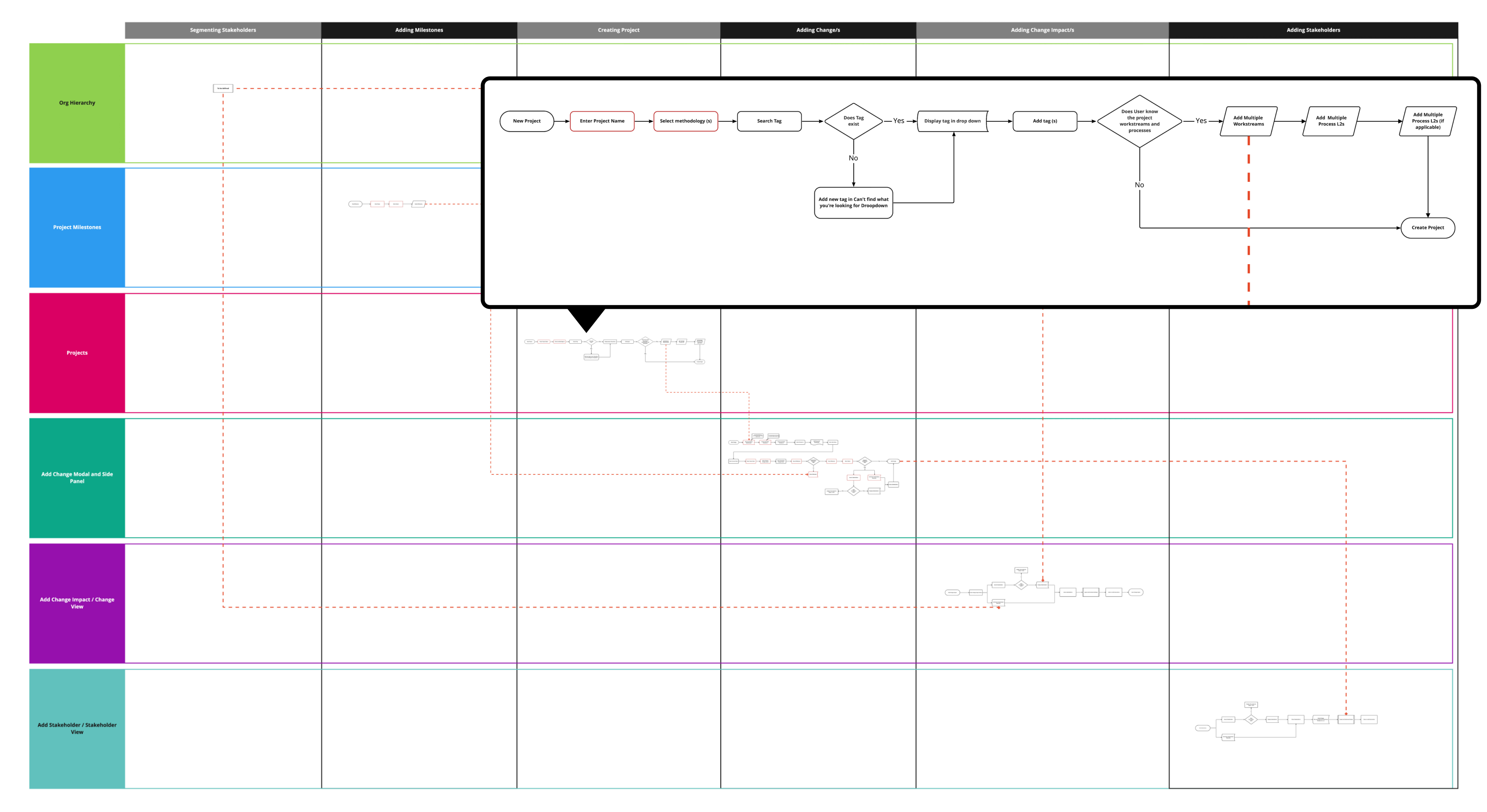
I implemented a user research approach that included semi-structured interviews and focus groups to ensure we captured rich qualitative data. I was responsible for setting up the goals and protocol for the semi-structured interviews and preparing and facilitating the co-design workshops.
We undertook a deductive thematic analysis approach to data analysis, interpretation, and validation, approaching the data with preconceived themes based on existing knowledge from support queries, observed pain points, and organisational objectives.
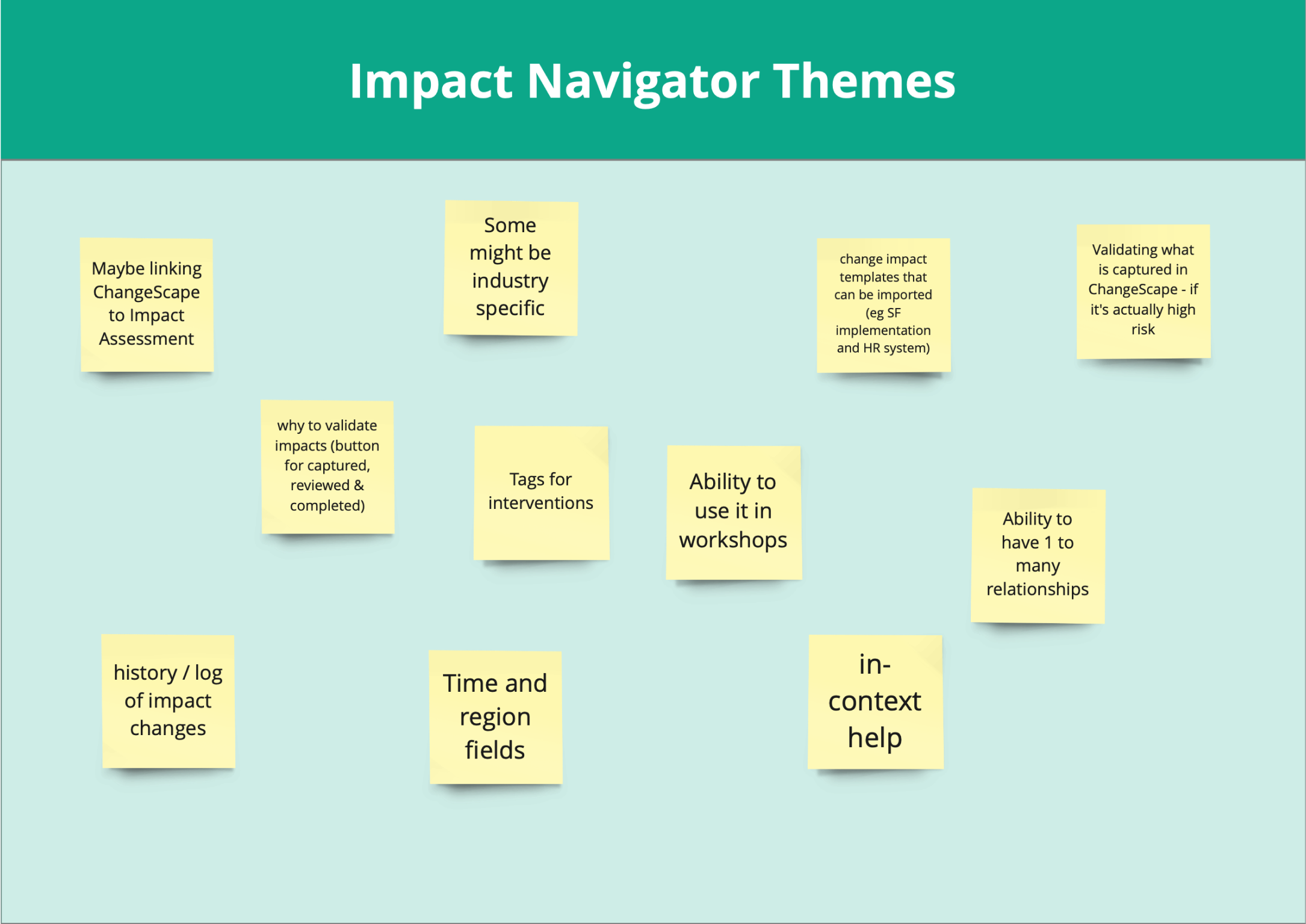
Define and Ideate
Alchymy® is used in highly complex and extensive contexts; therefore, the challenges posed in our design thinking process's defining and ideating phases were too significant to be tackled by a single discipline. For this reason, I incorporated co-design participatory into our design process.
I was responsible for preparing and facilitating our defining and ideating sessions. These sessions usually consisted of a Product Designer, Product Owner, Head of Engineering, Business Intelligence Engineer, QA Automation Engineer, Executive (Deloitte Partner or Director), Subject Matter Experts and Alchymy Users (Change Management Consultants).
Co-designing with this cross-disciplinary team led to innovative ideas that met business objectives and addressed user needs. We would define the key features in these sessions and then refine them using the MoSCoW method.
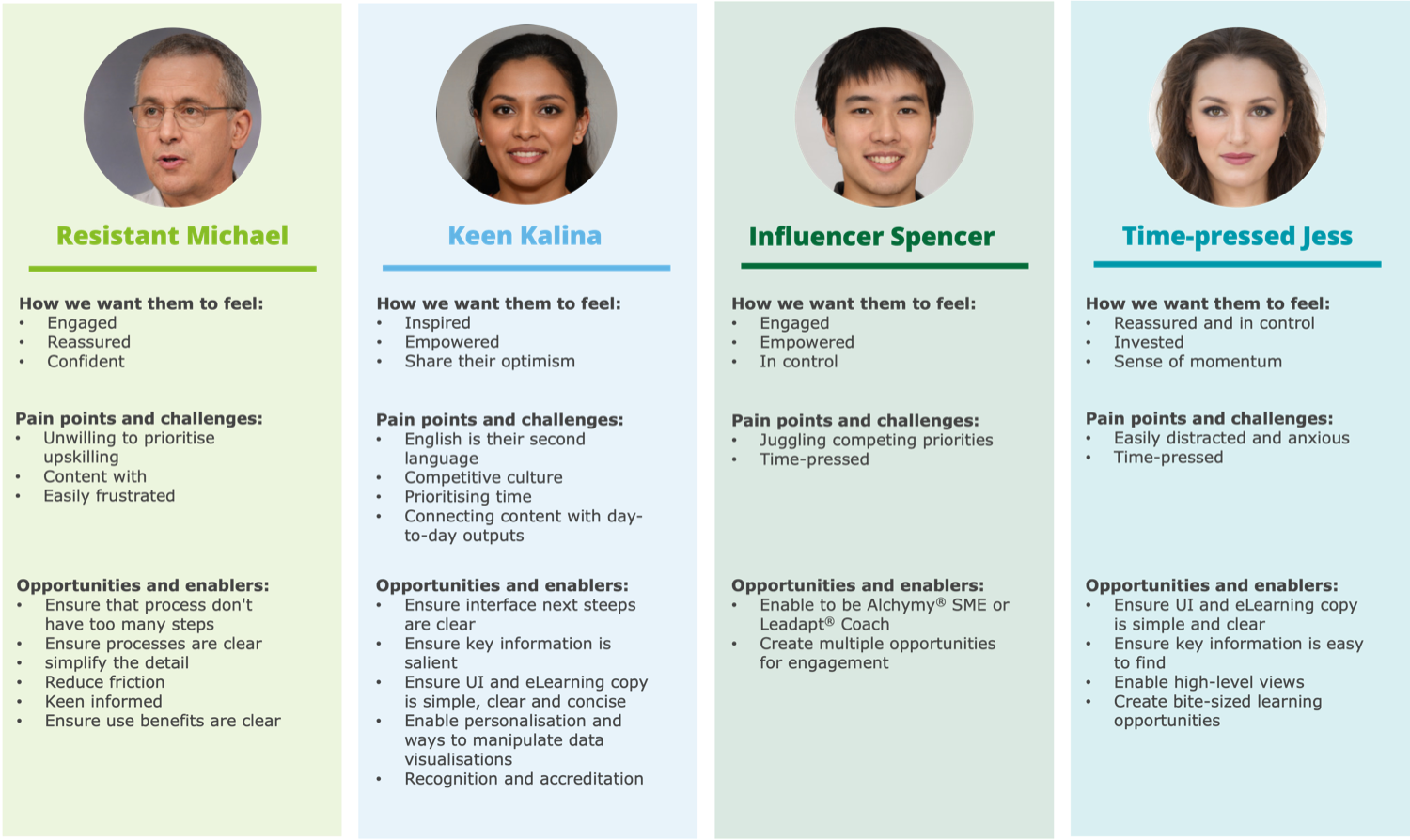
User Personas
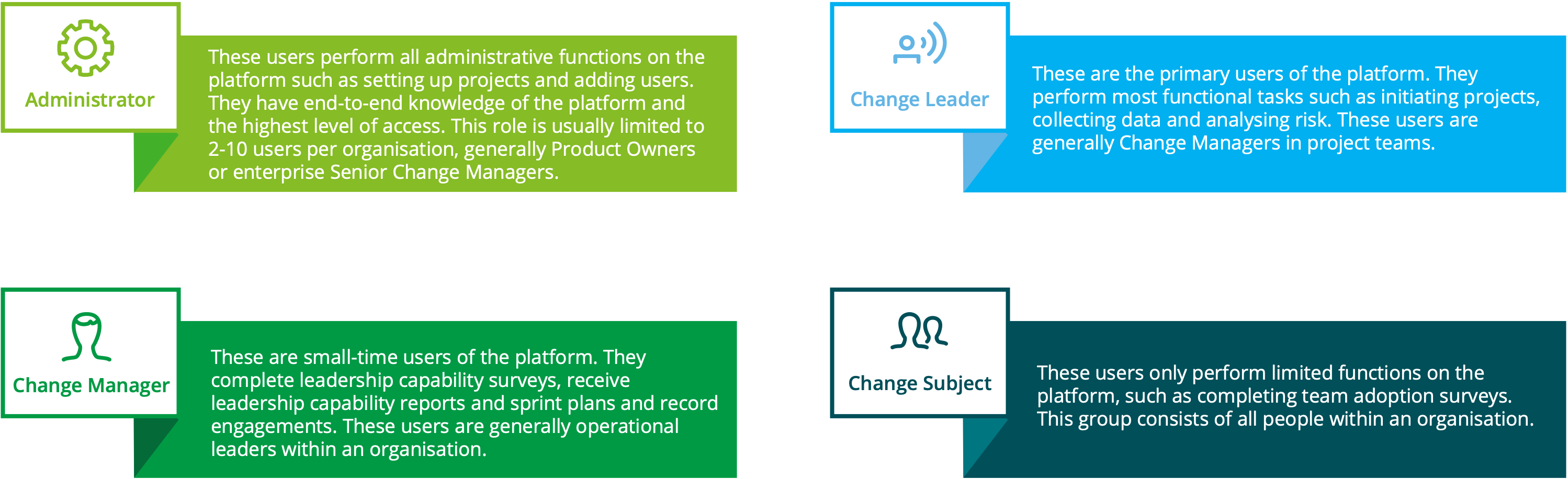
Based on our research, we used strategic and operational segmentation to create User groups and personas.
These personas represent our point of view and assumptions around user pain points, challenges and motivators.
Strategic segmentation enabled us to identify four prominent user groups, each requiring a different level of access connected to the various functions they are responsible for performing.
Design Principles
We developed design principles to help guide the review and delivery of product experiences.
Simple
Alchymy® is intuitive; users do not have to learn new patterns. Additionally, visuals should be simple and easy to understand.
Consistent
Alchymy® embraces patterns; similar parts are expressed in similar ways throughout the product to improve usability. Additionally, it uses a single voice, building trust.
Focused
Alchymy® strives to deliver what's needed, when it's needed, at each step of the Change Management process. No unnecessary decoration or irrelevant content.
Design System
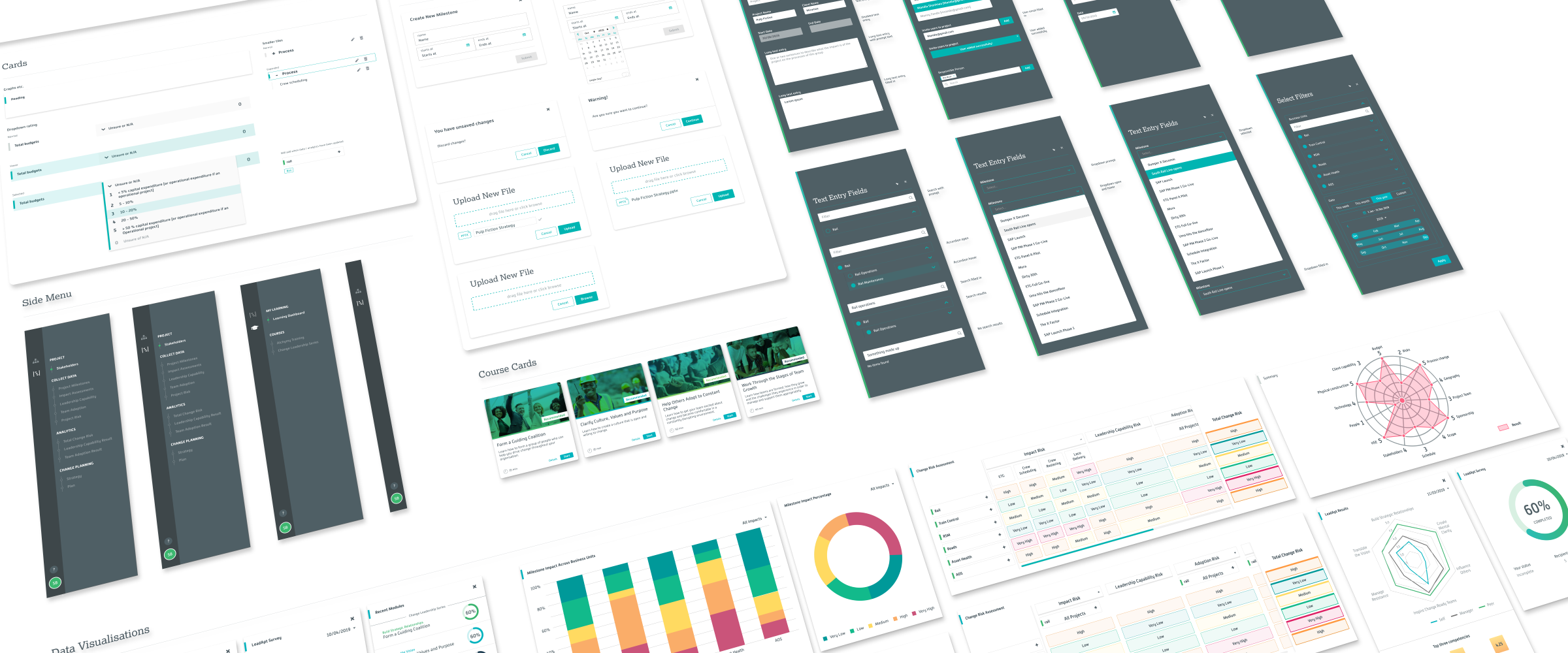
I led the design team in developing a design system that created a consistent and easily recognisable digital language for all Alchymy® products and designs.
Testing and Iteration
The testing approach I implemented consisted of the following methods Wizard of Oz, moderated and unmoderated user testing. Here, stakeholders had an opportunity to provide feedback and design improvements. Our co-design approach was not a single event; it was iterative; therefore, it occurred throughout our design process as well as after we had released features, tools or products.
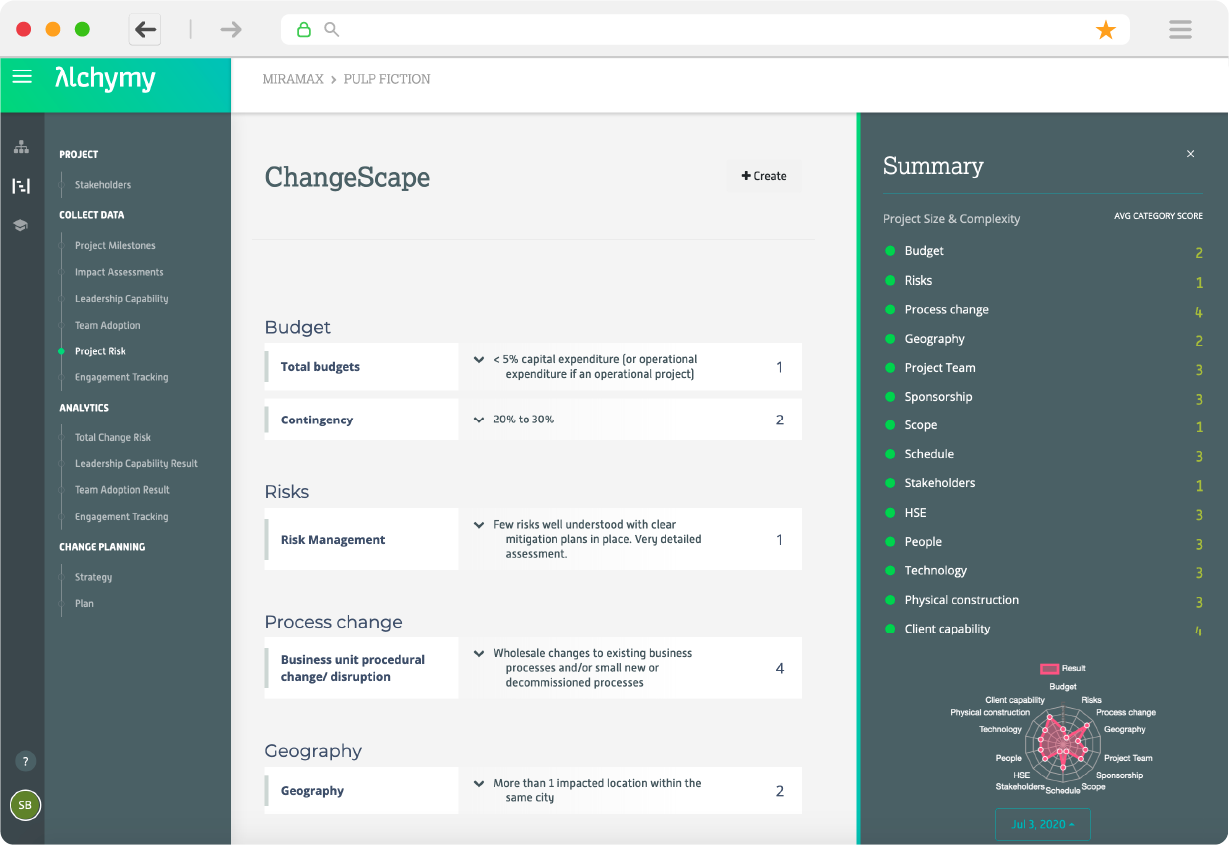
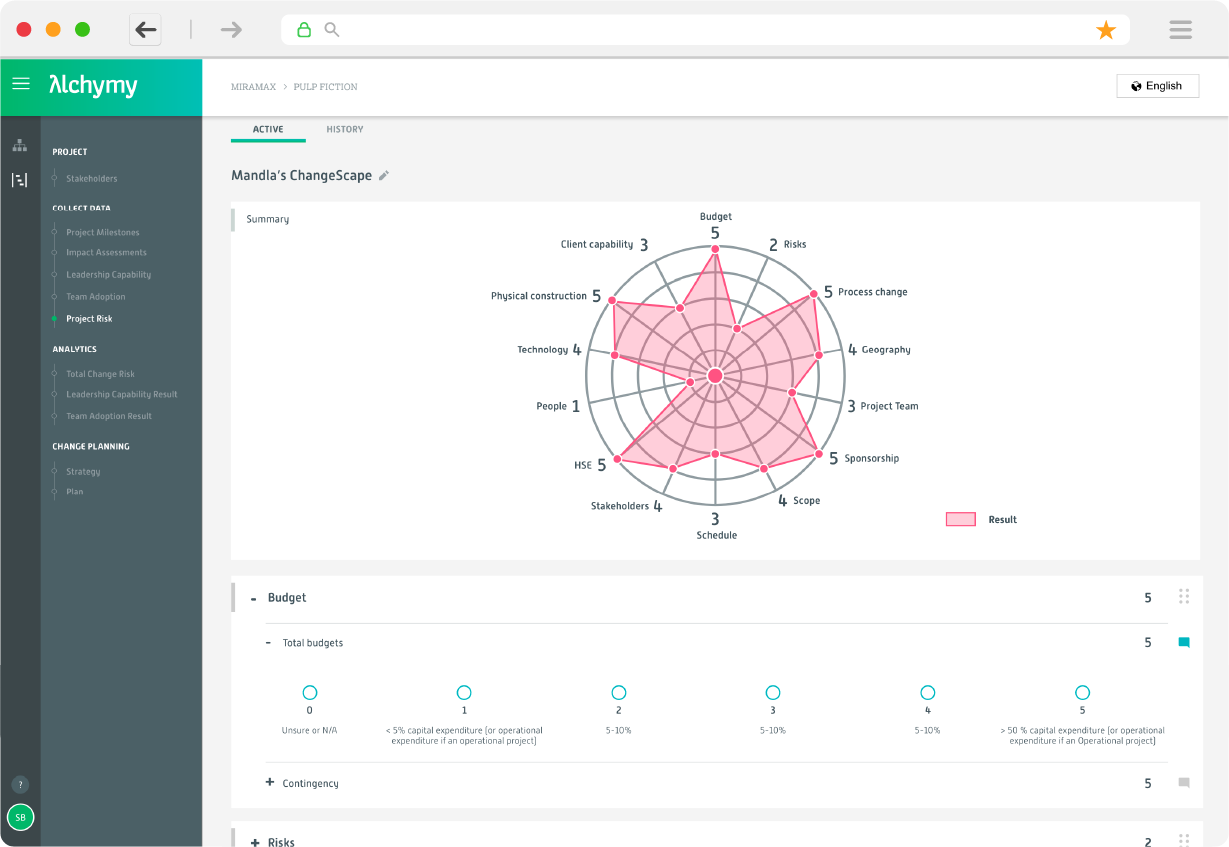
We developed the various Alchymy® tools below, based on our research and workshops, to help guide leaders through the entire transformation lifecycle.
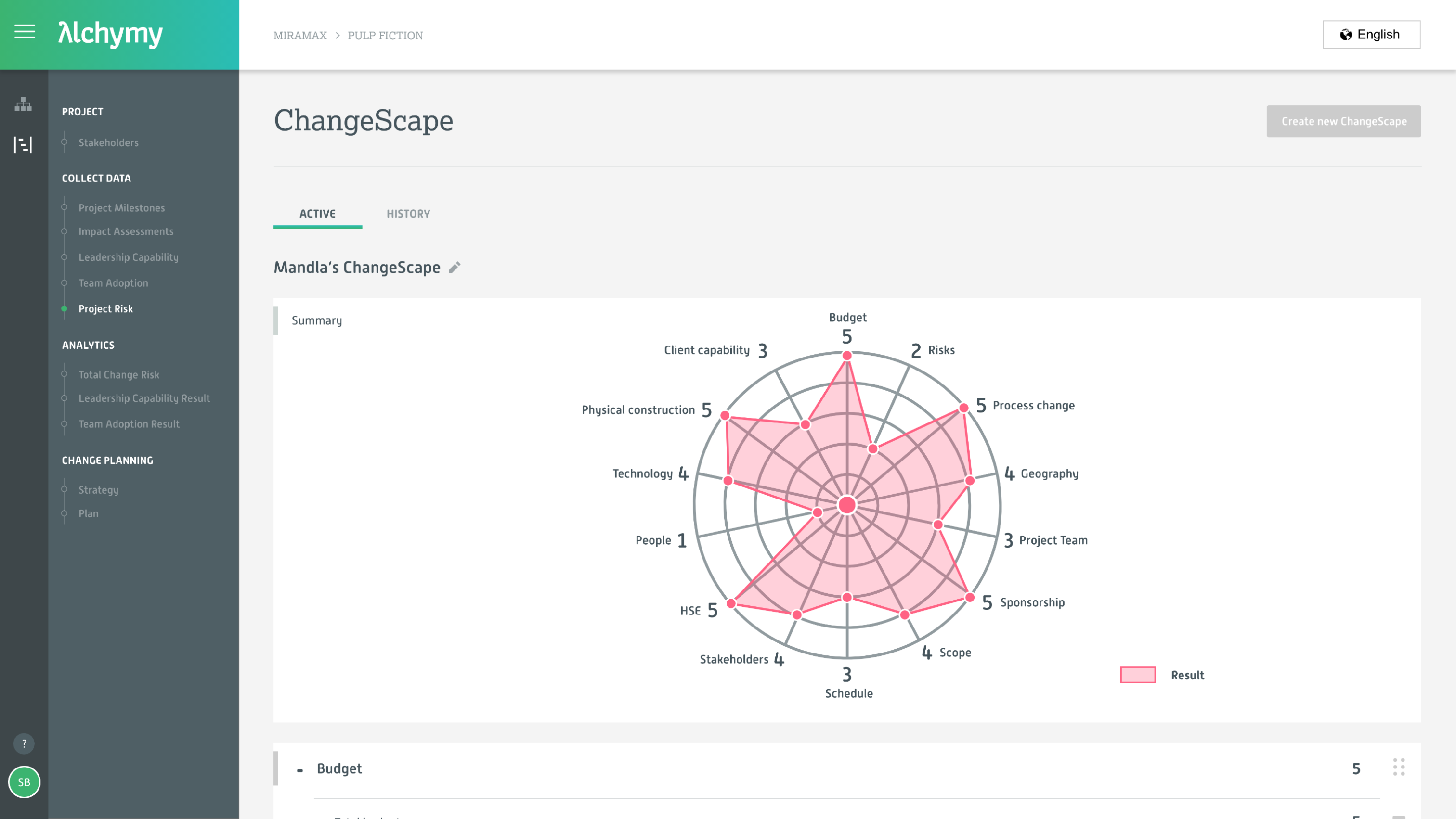
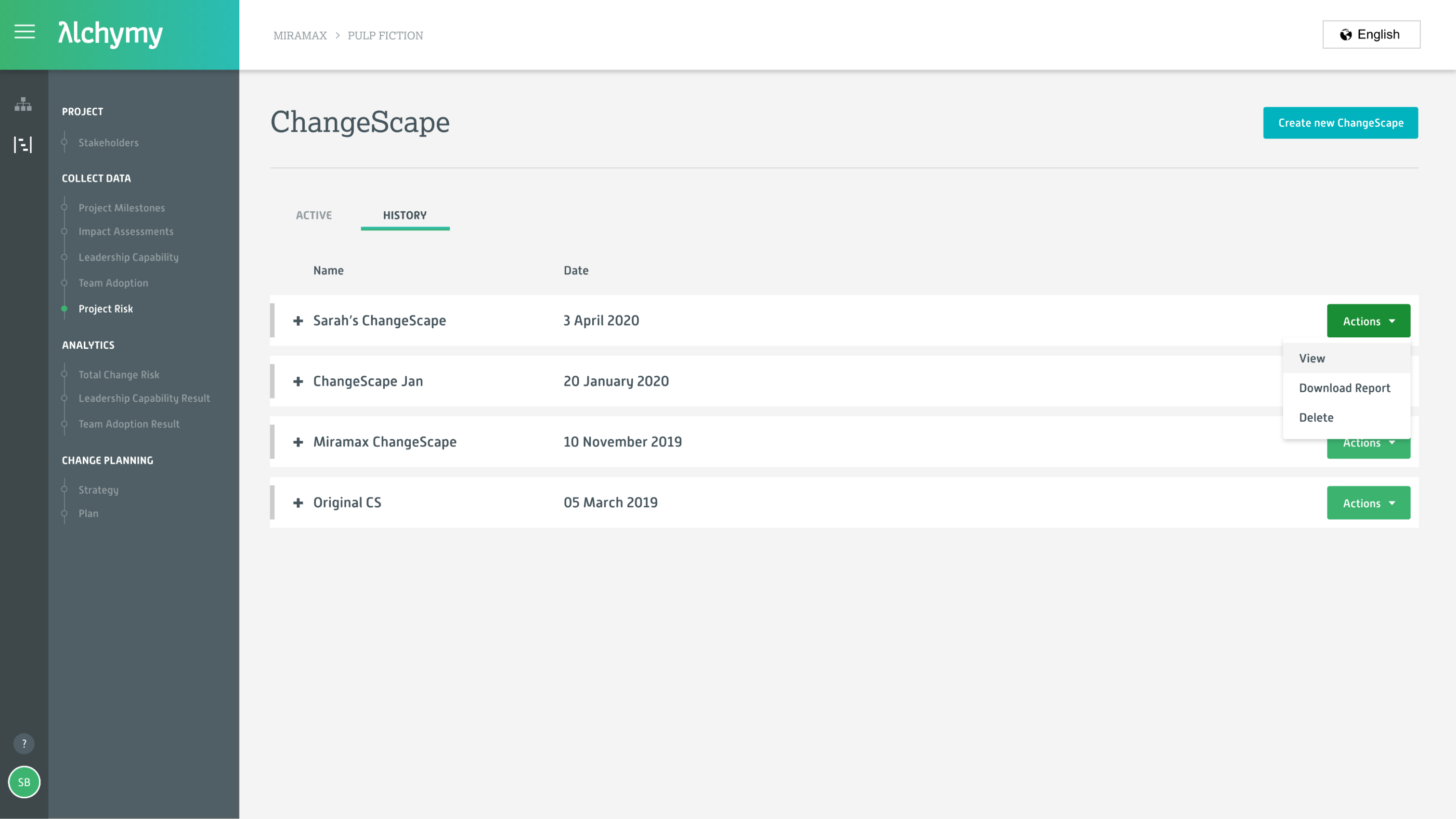
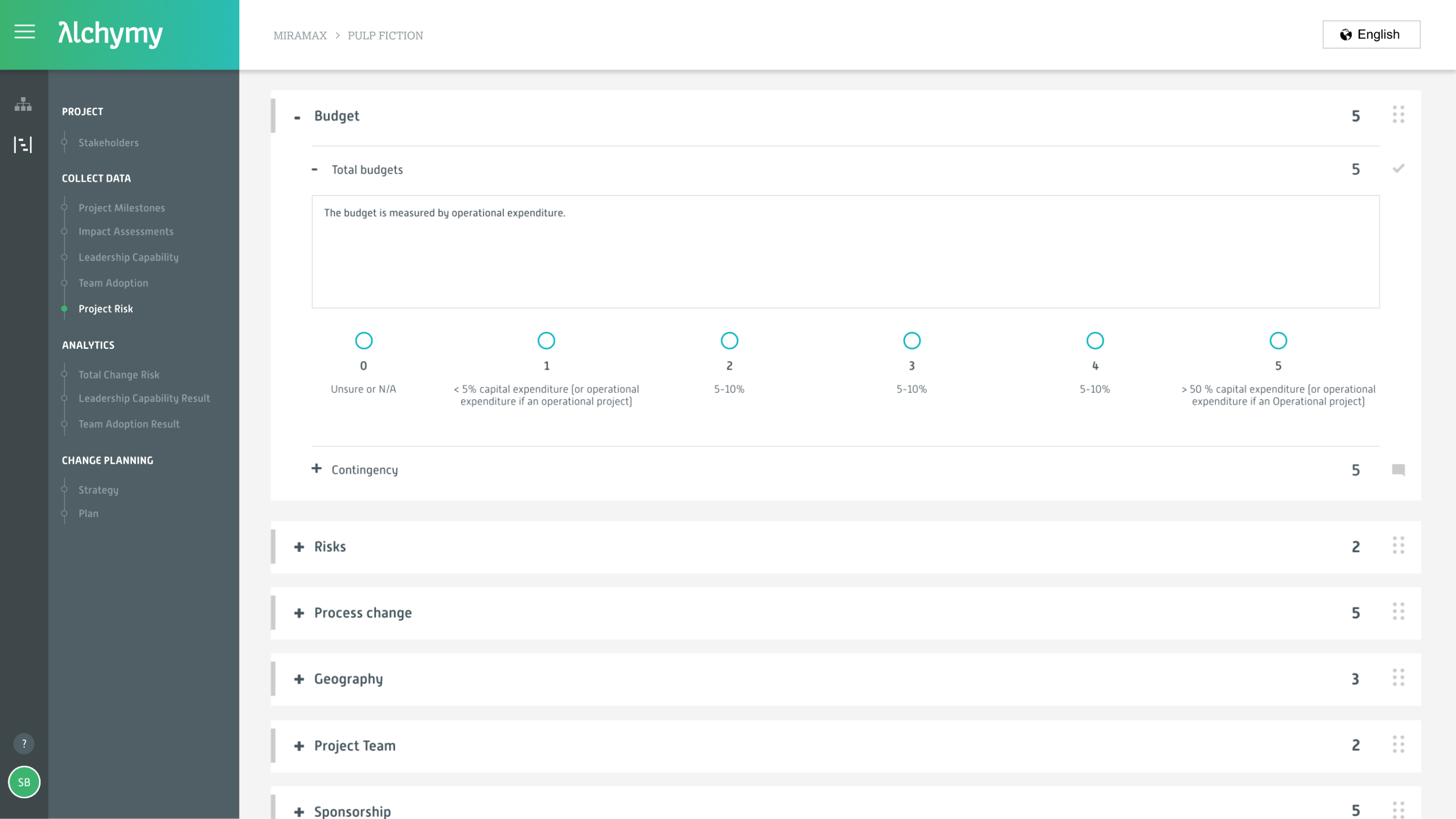
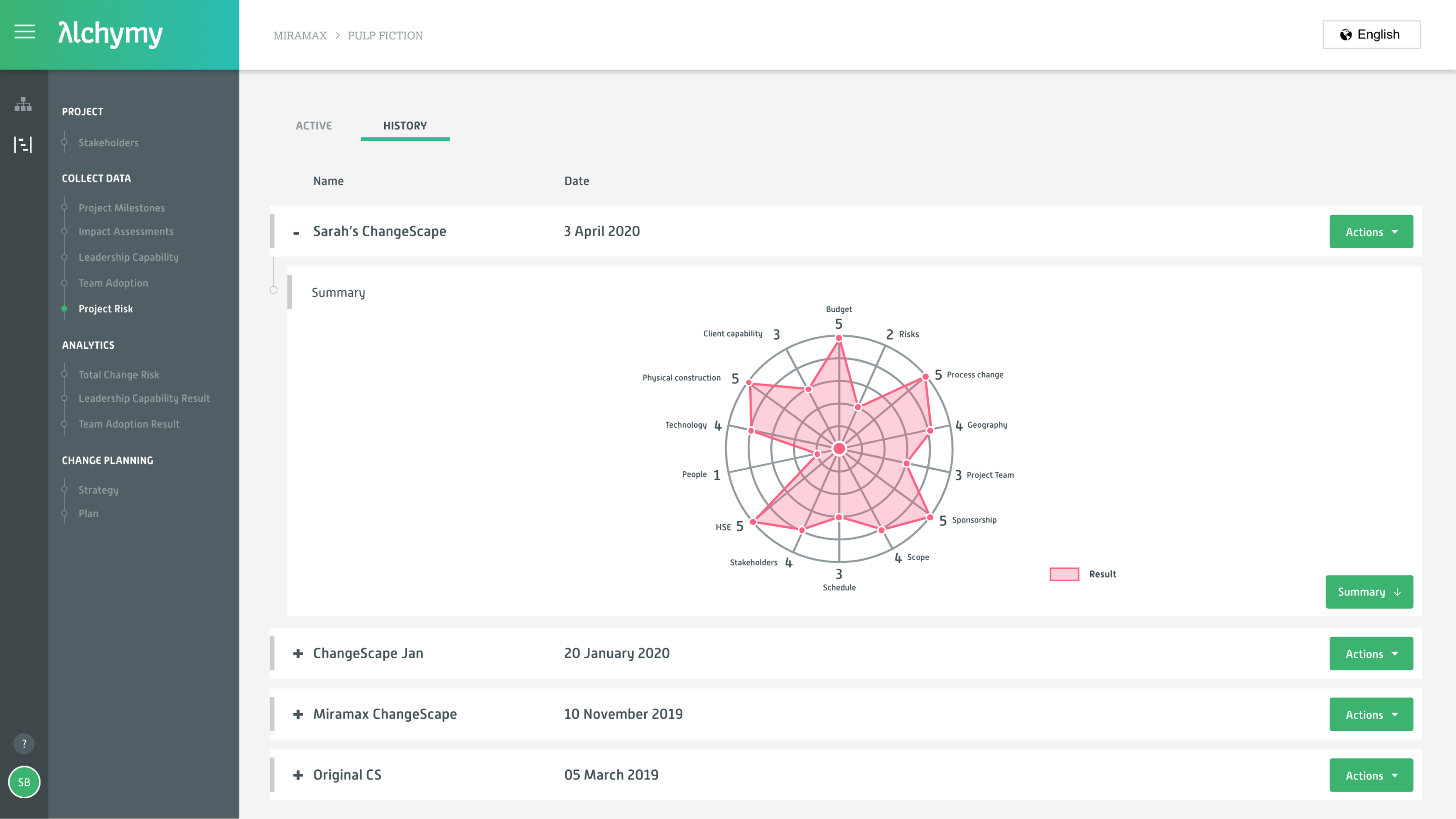
ChangeScape®
Reveals the size of change across the entire organisational landscape and pinpoints where to focus change efforts.
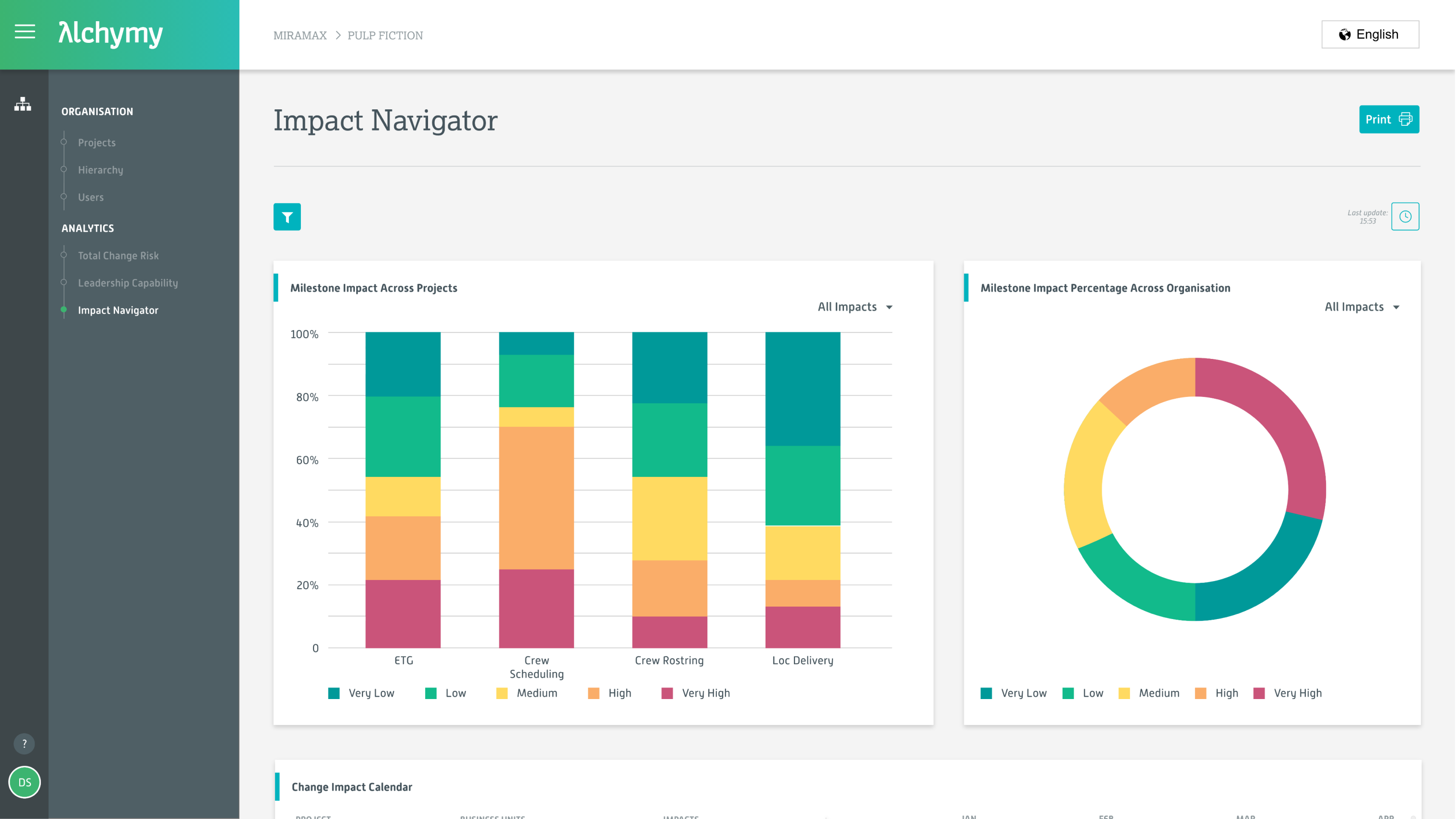
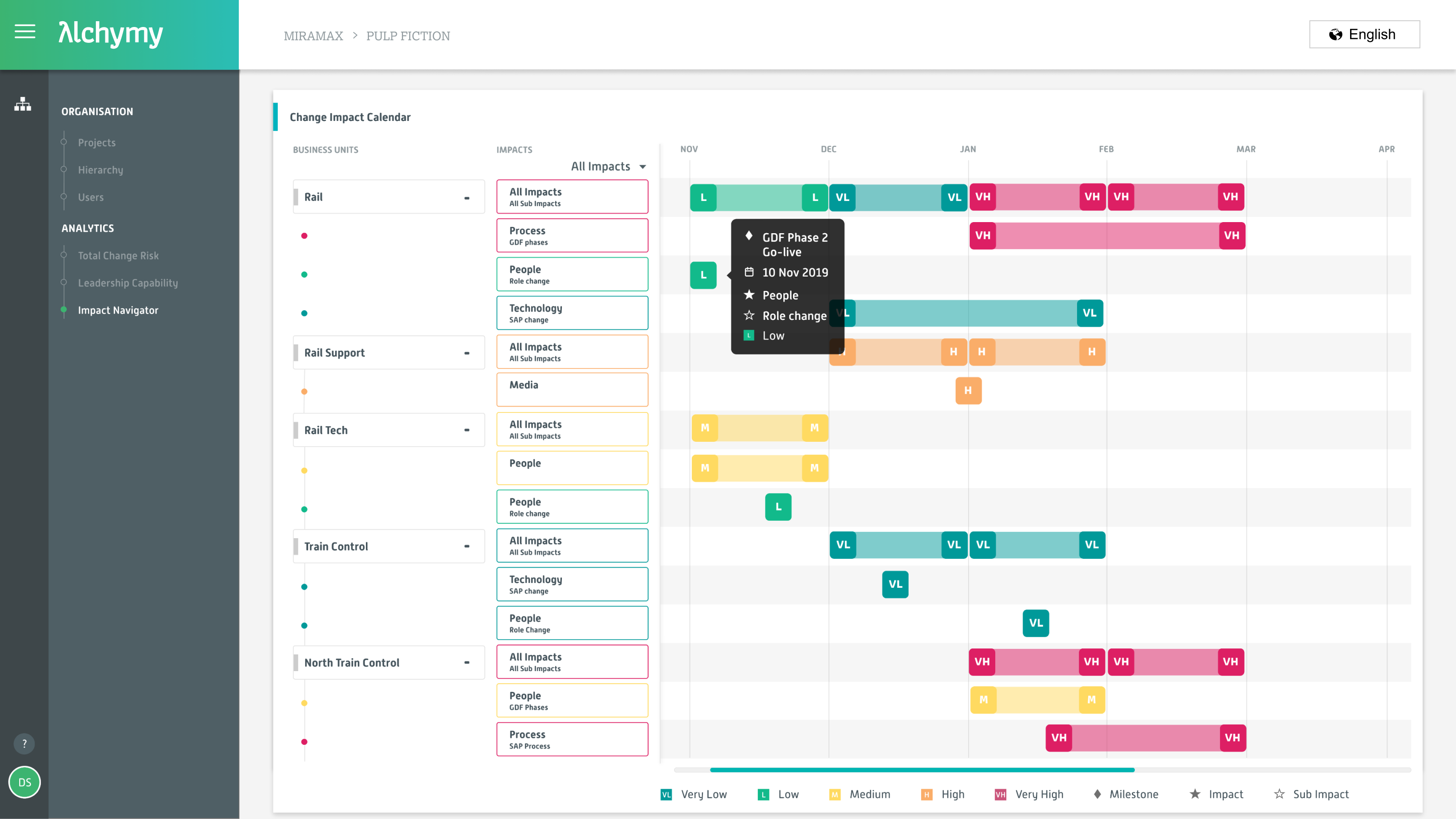
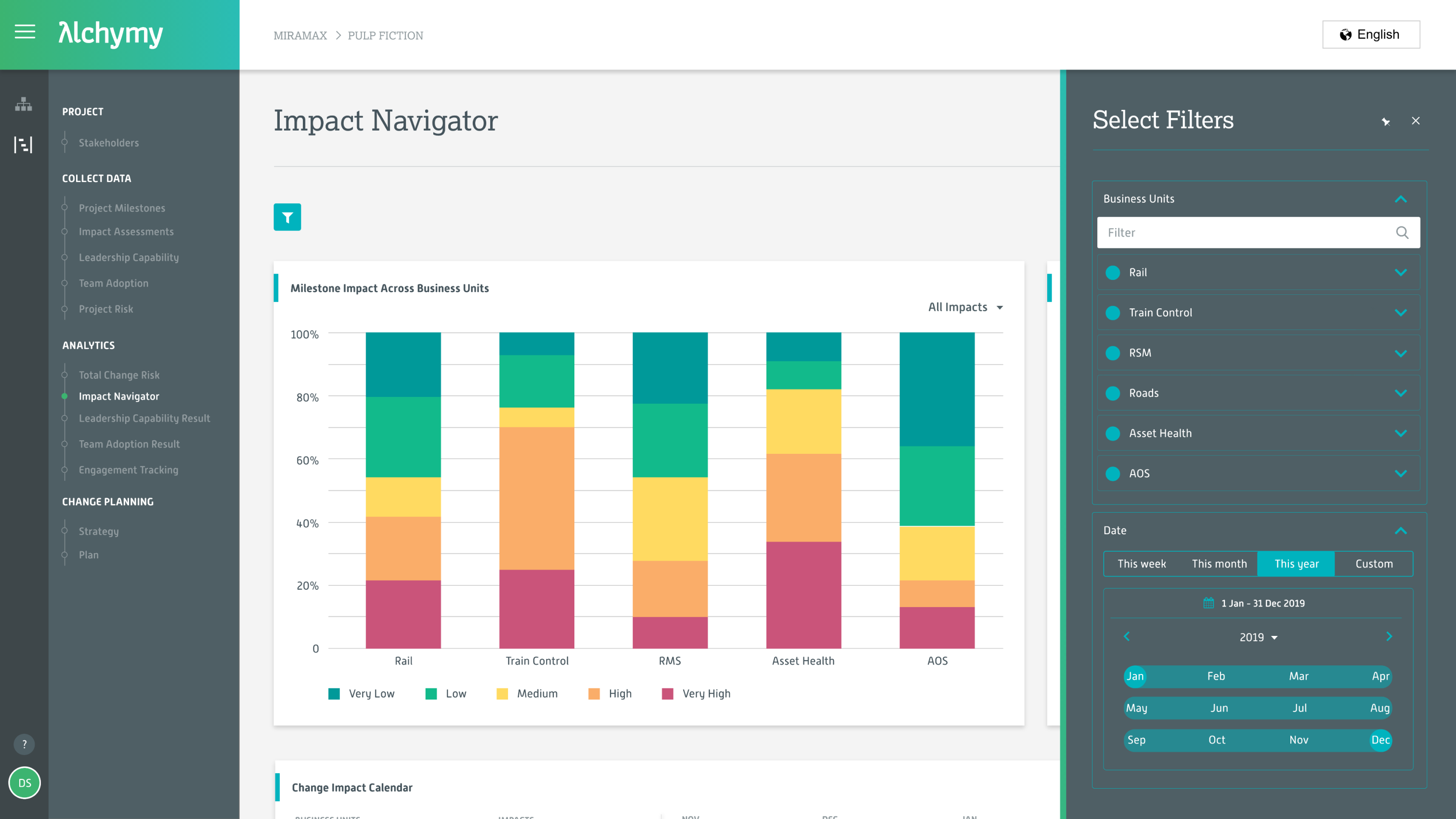
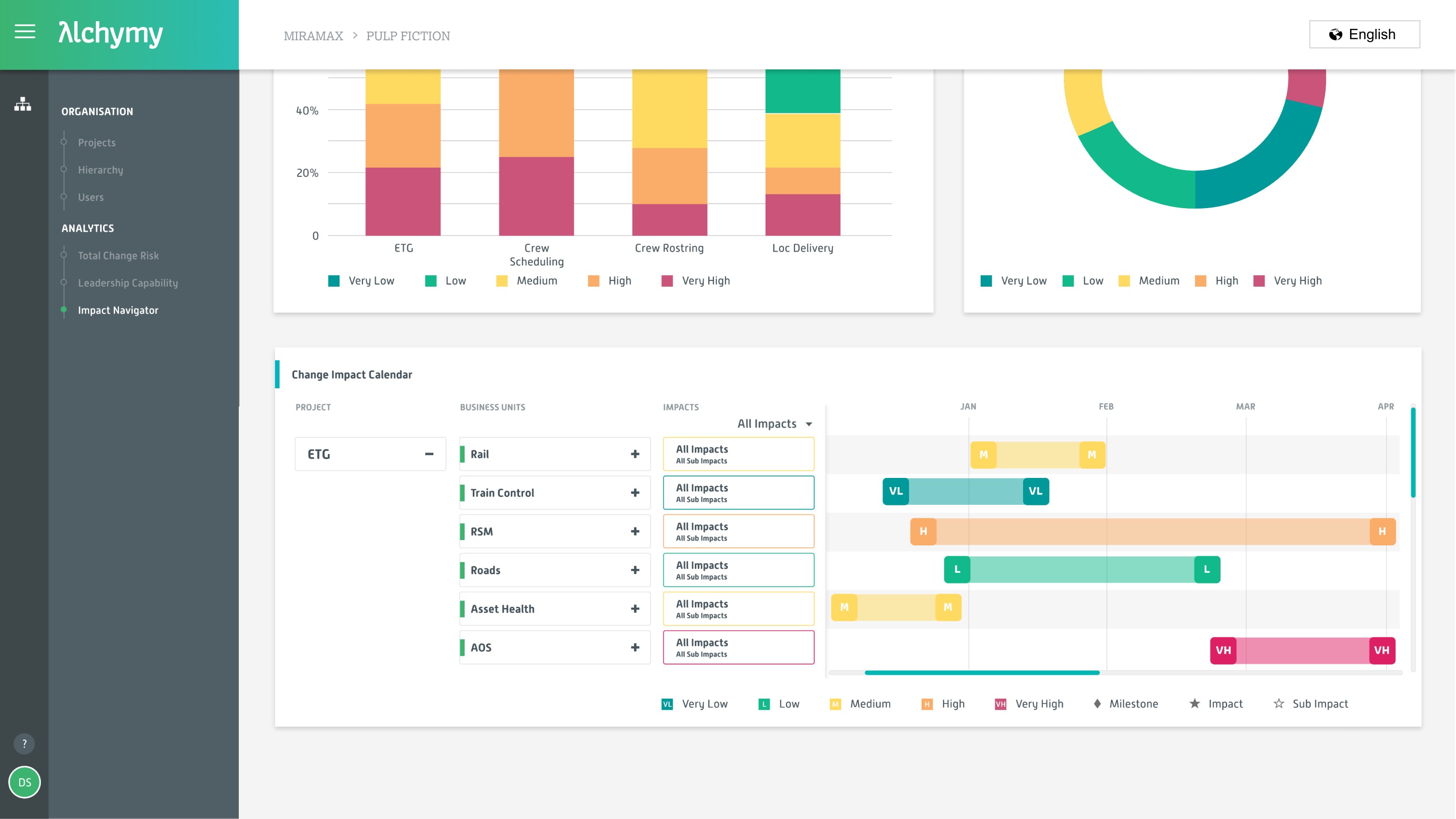
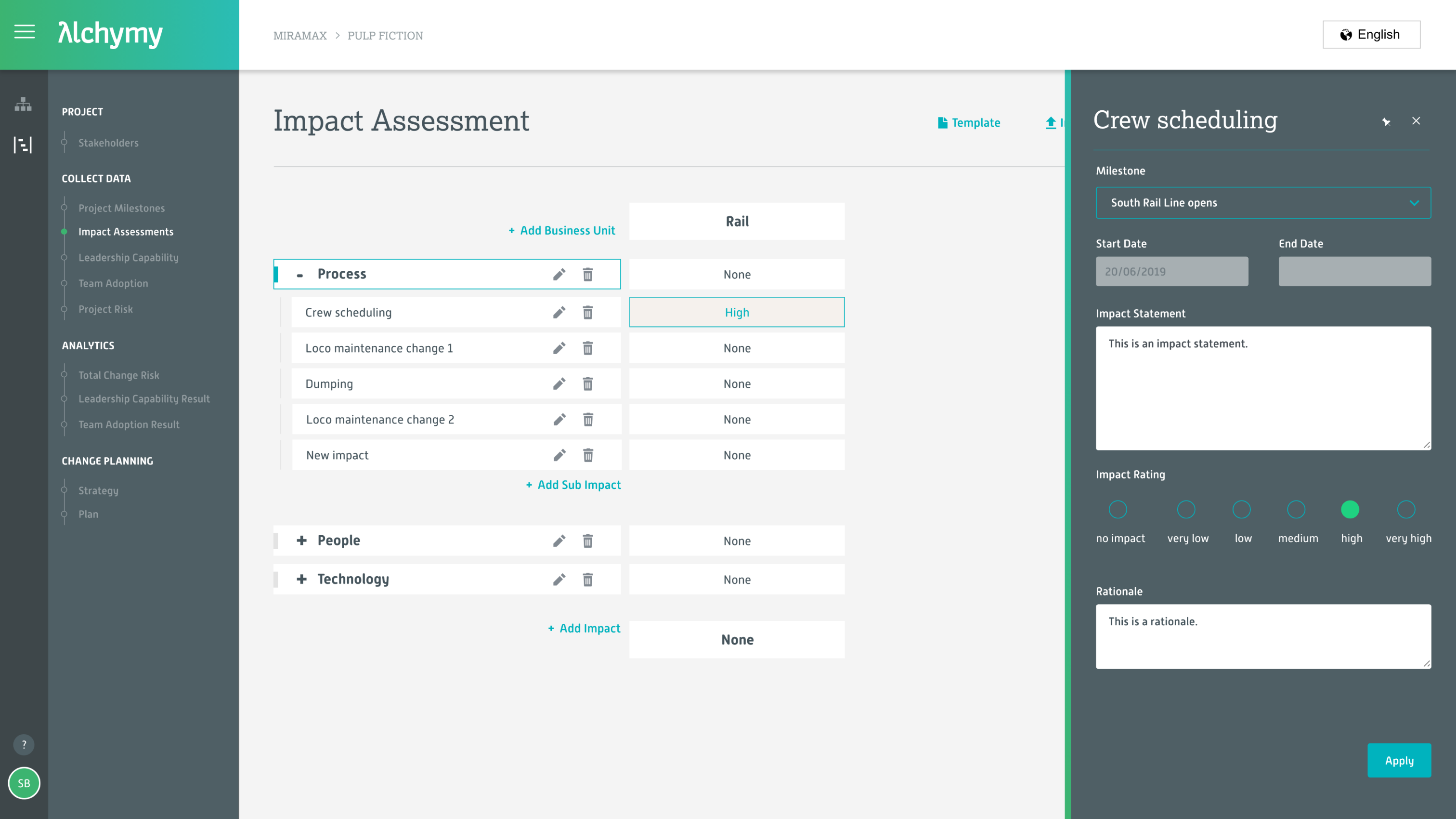
Impact Navigator®
Provides insights into how each business unit is impacted by a change and the nature of each impact.
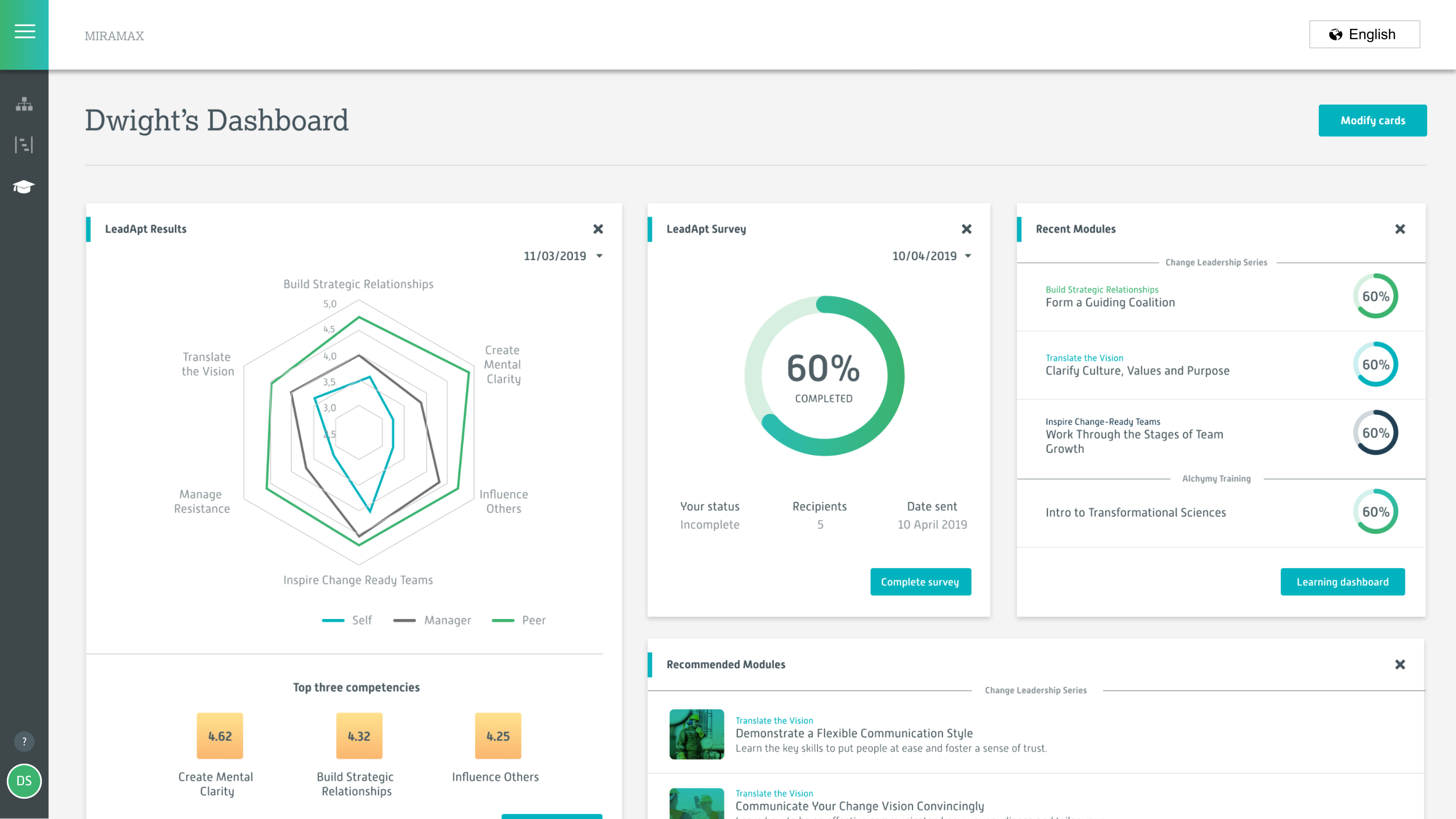
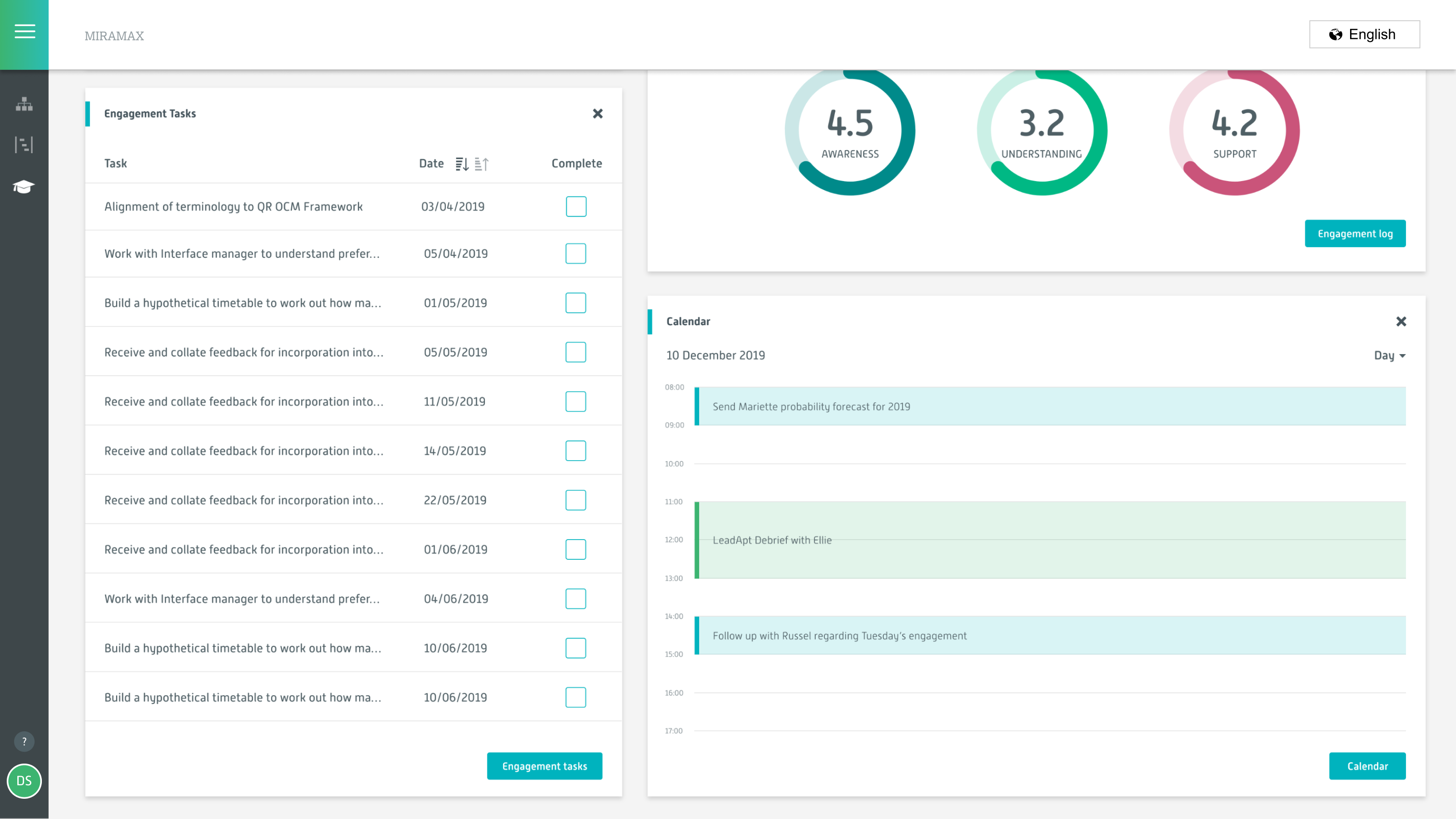
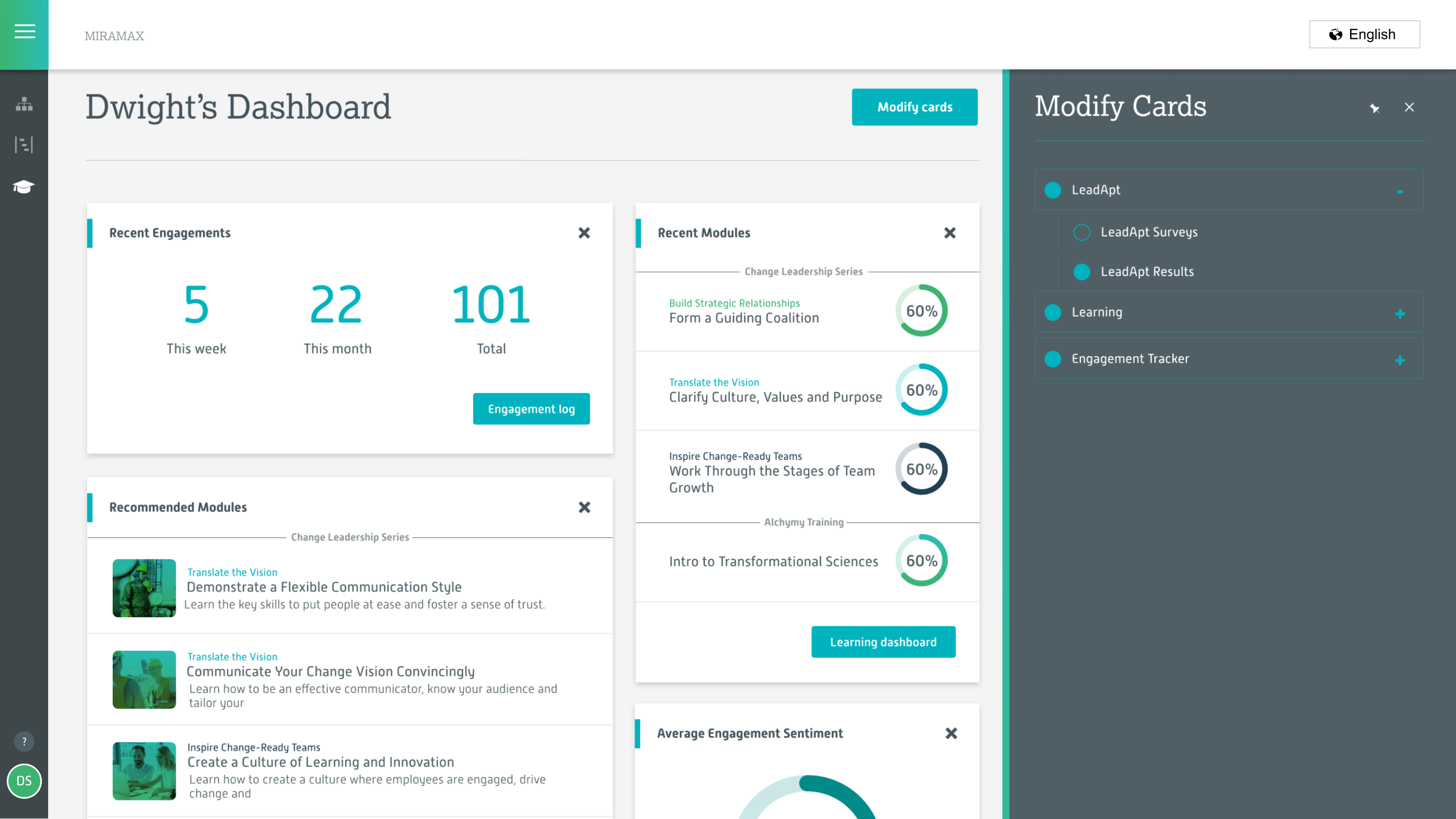
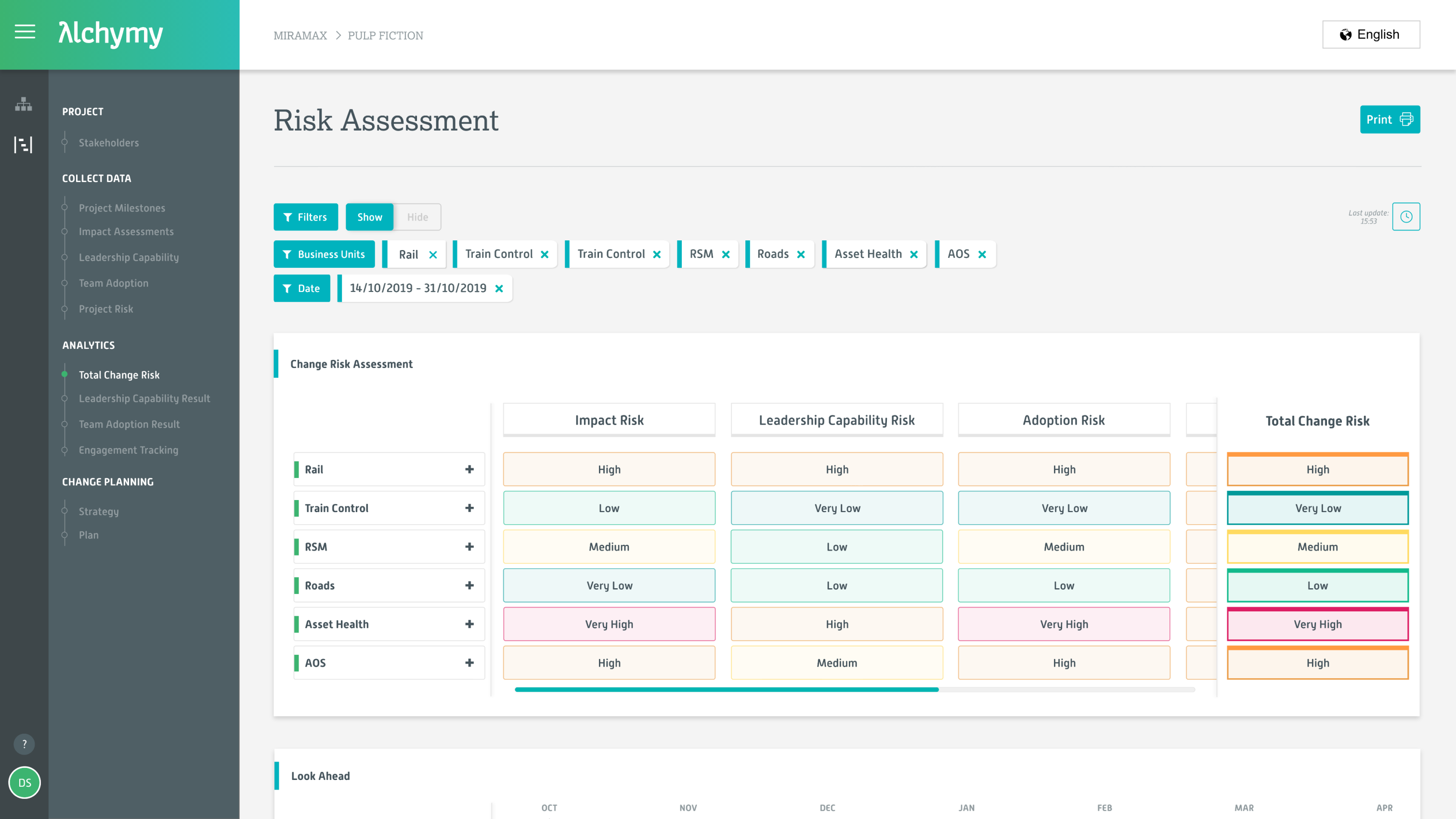
Change Leader Dashboard
Helps leaders understand the size of change occurring within their organisation and enables them to take concrete steps to lead.
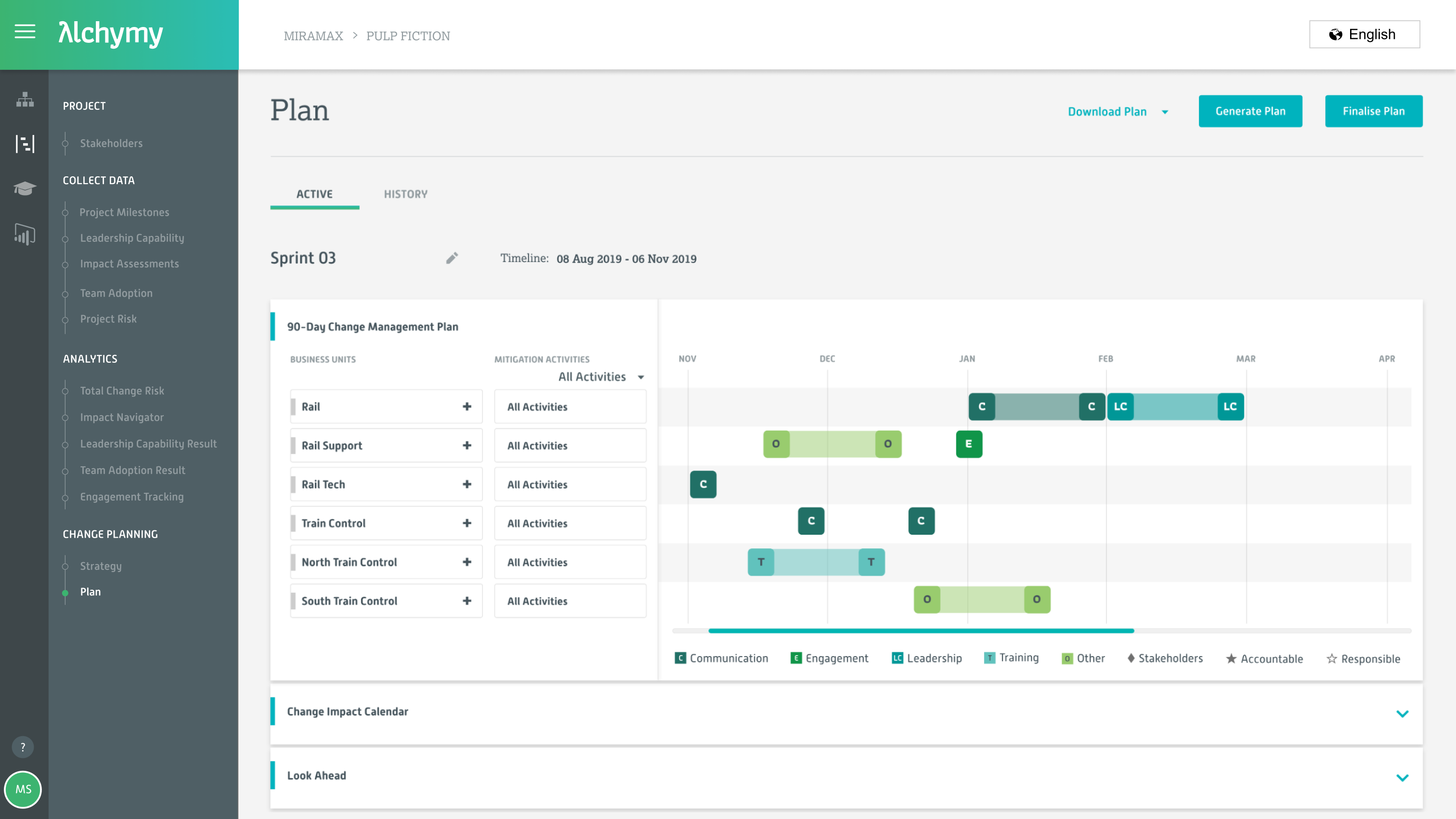
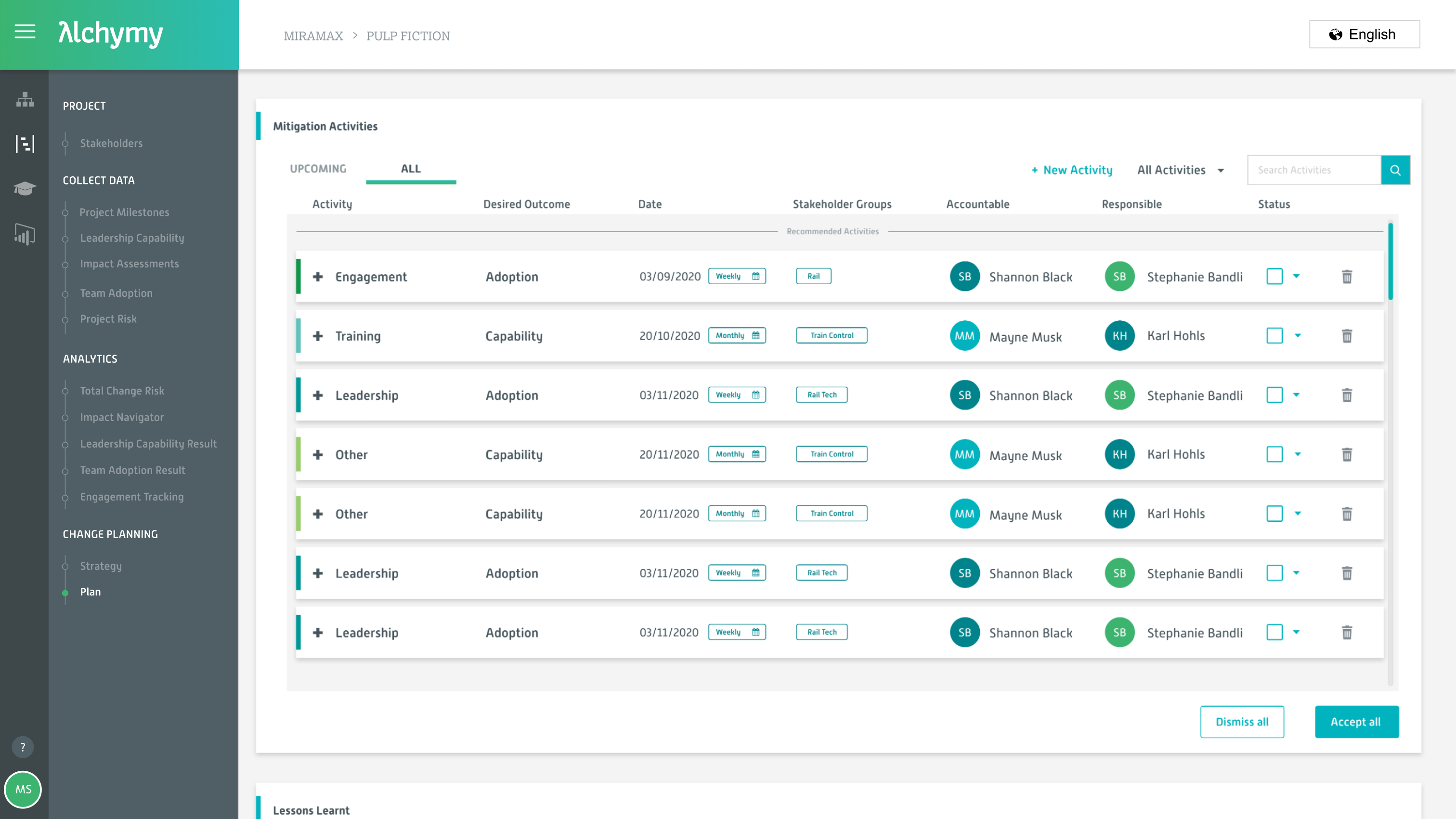
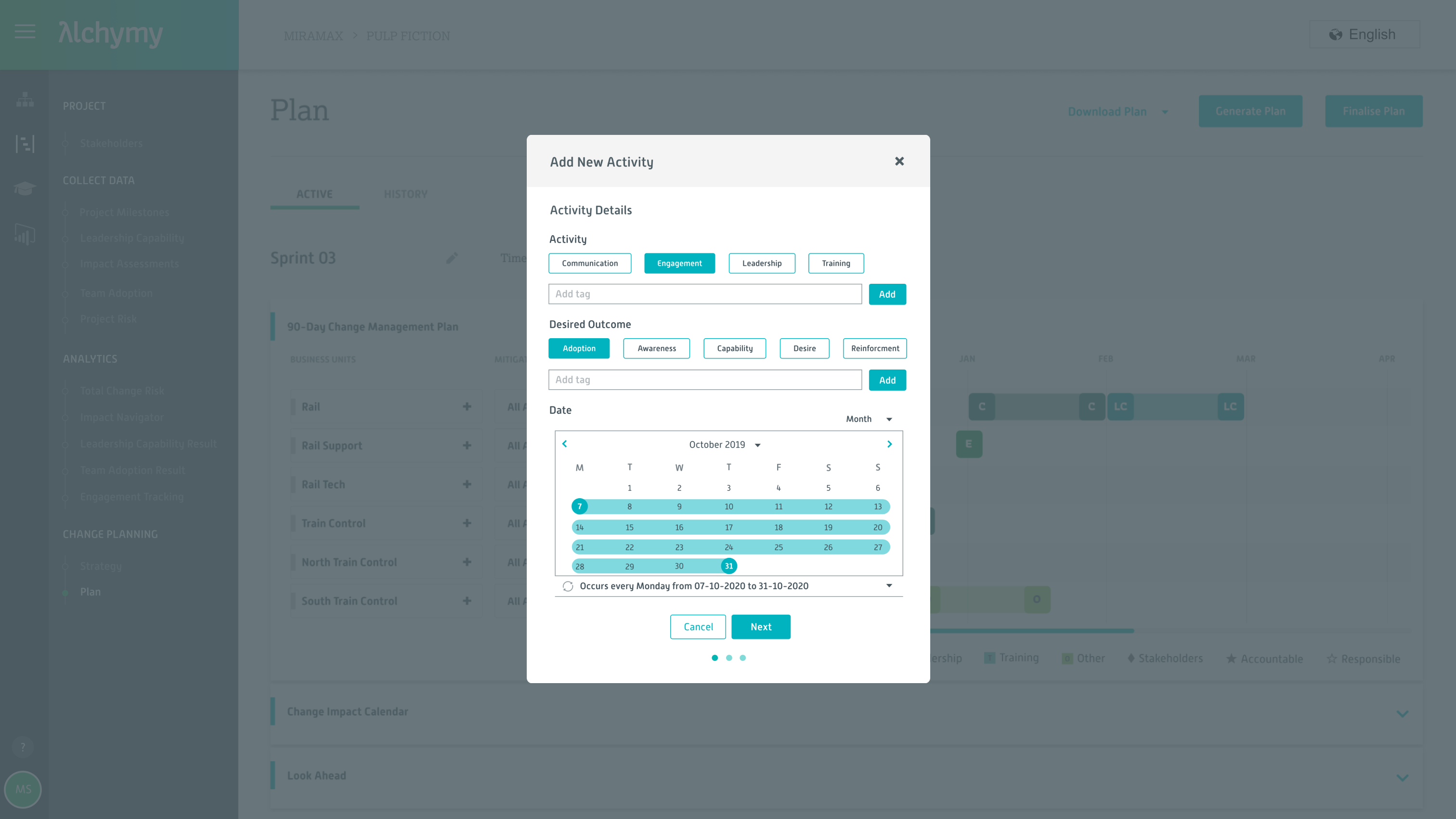
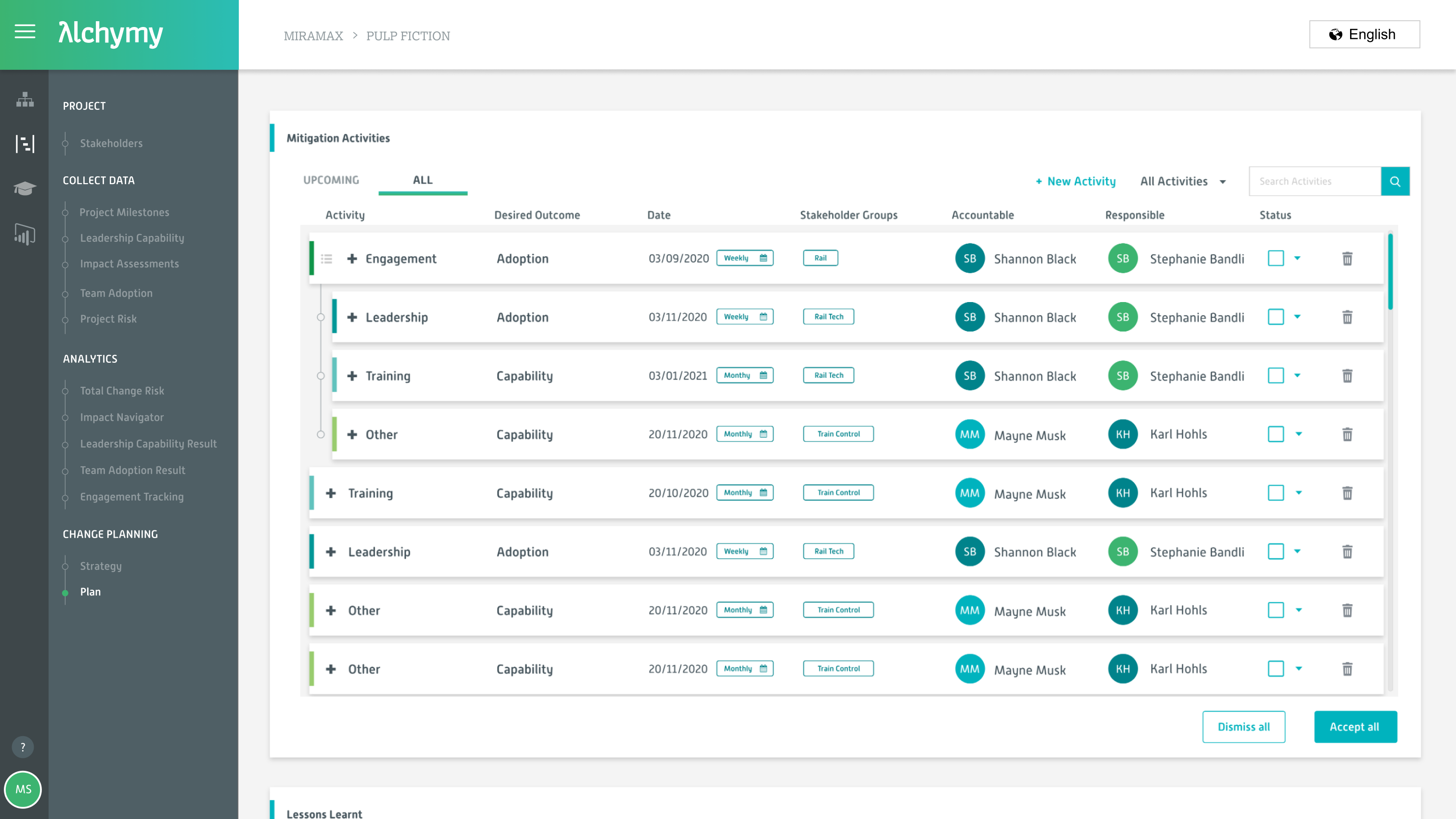
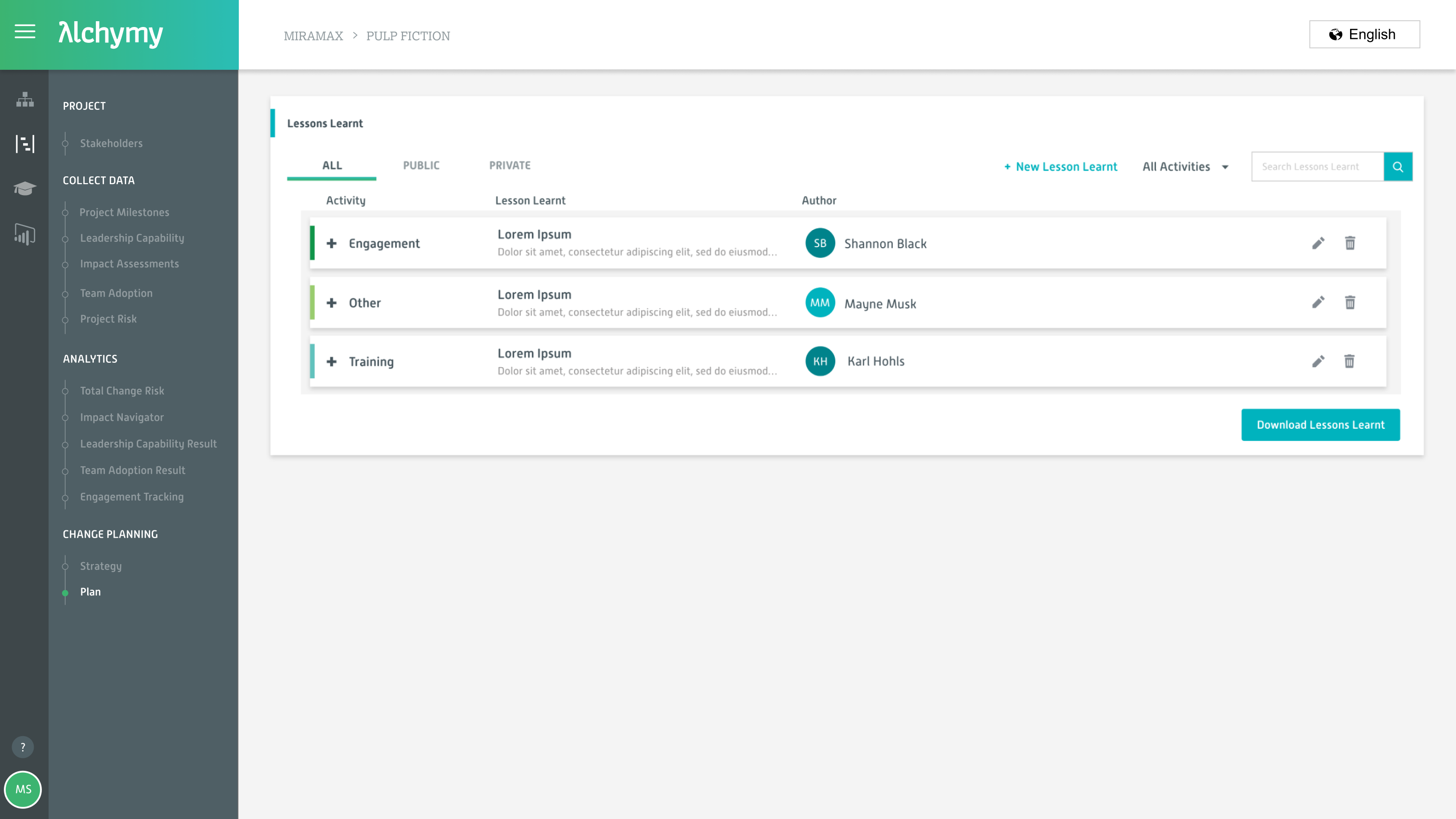
Change Planner®
Helps change teams plan and monitor the concrete steps the organisation will take to execute the change management process.
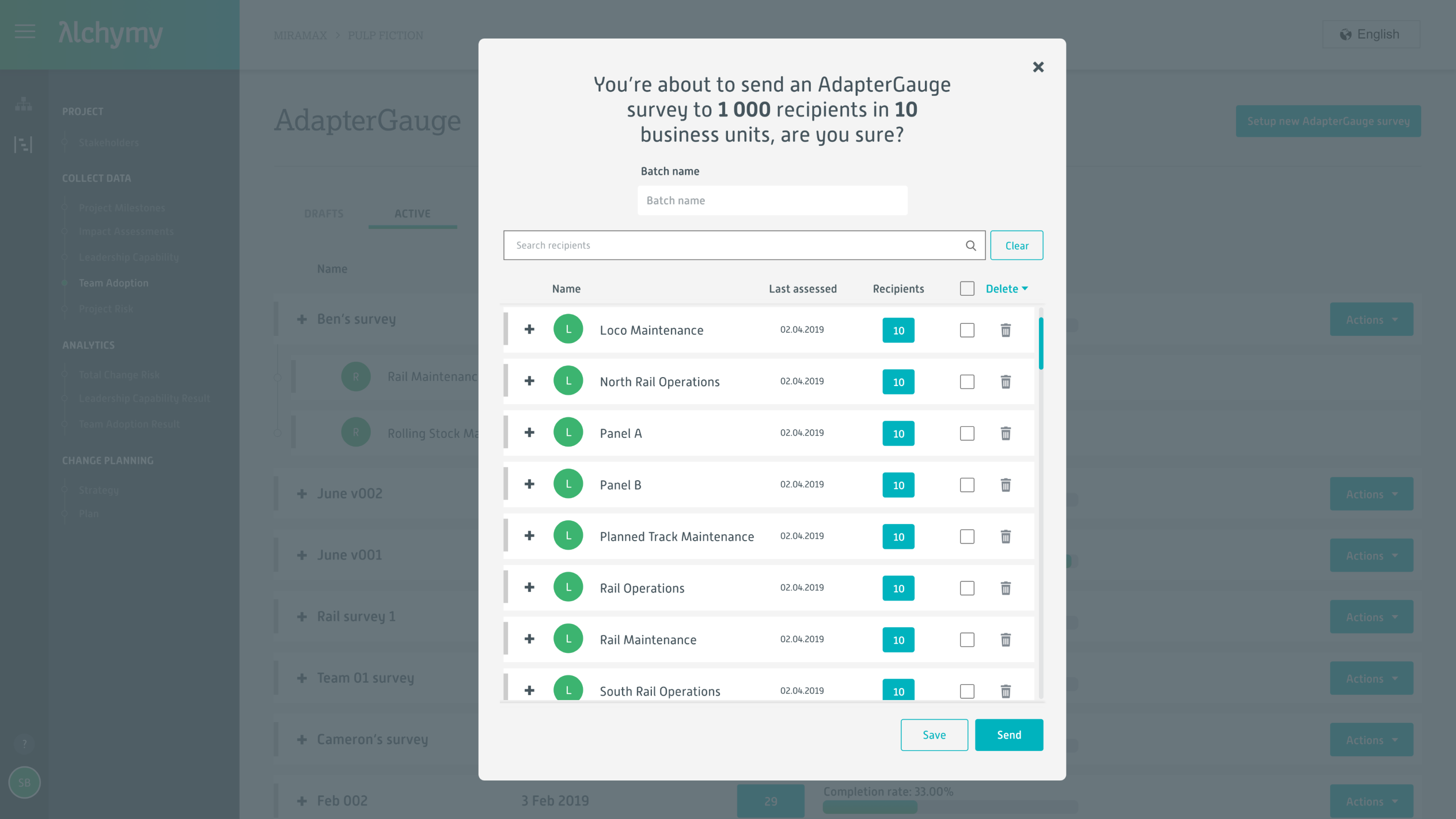
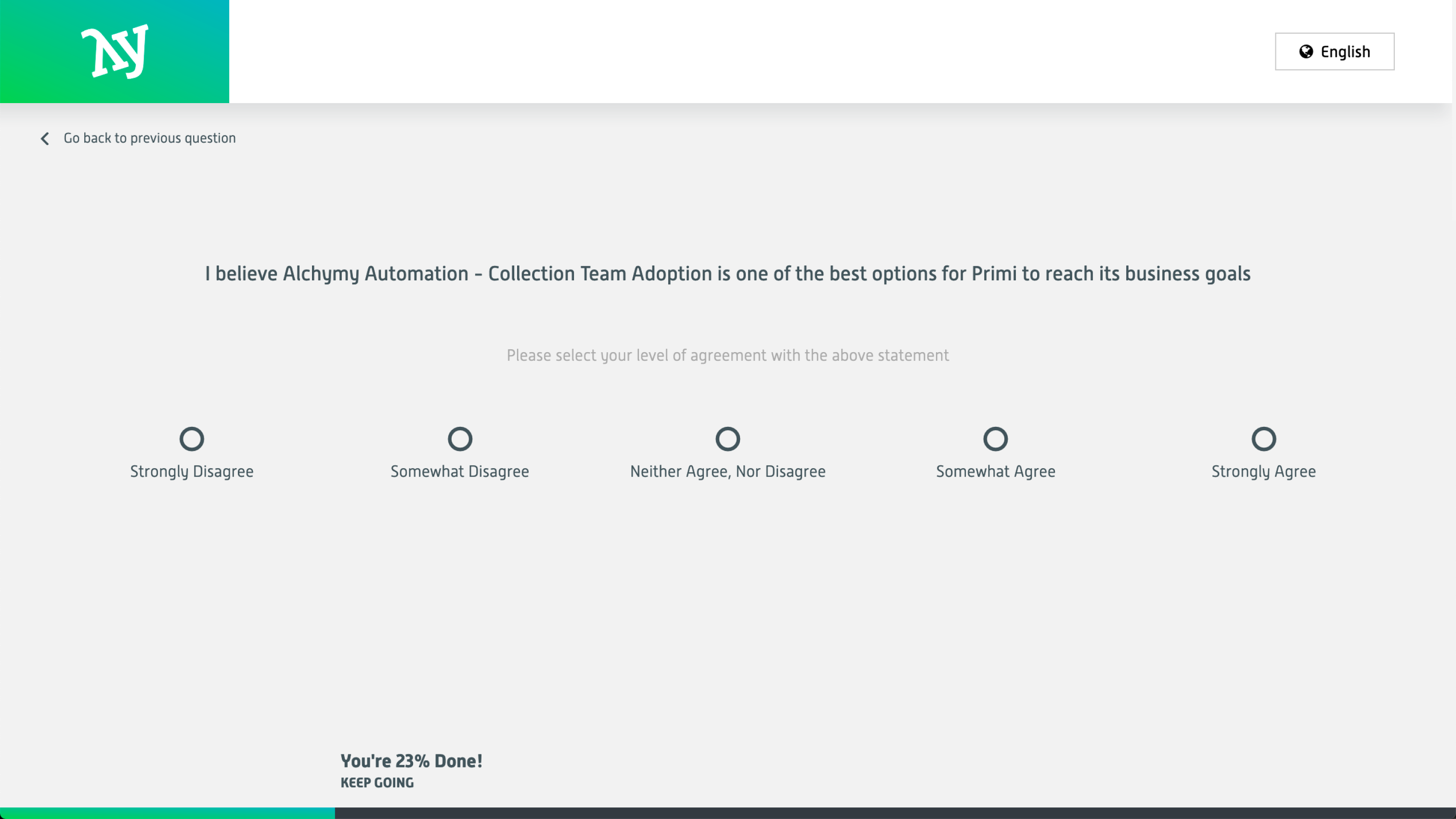
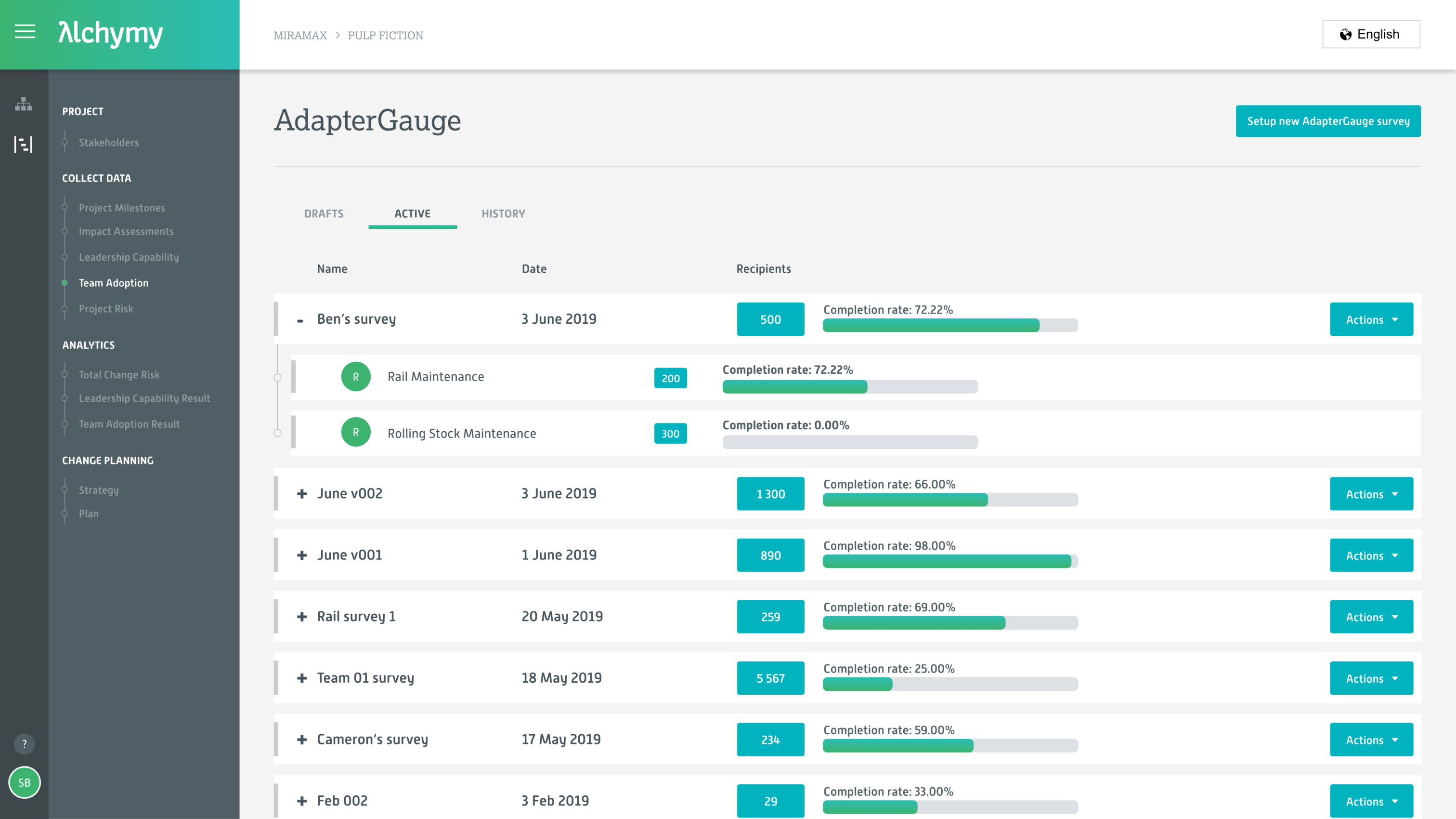
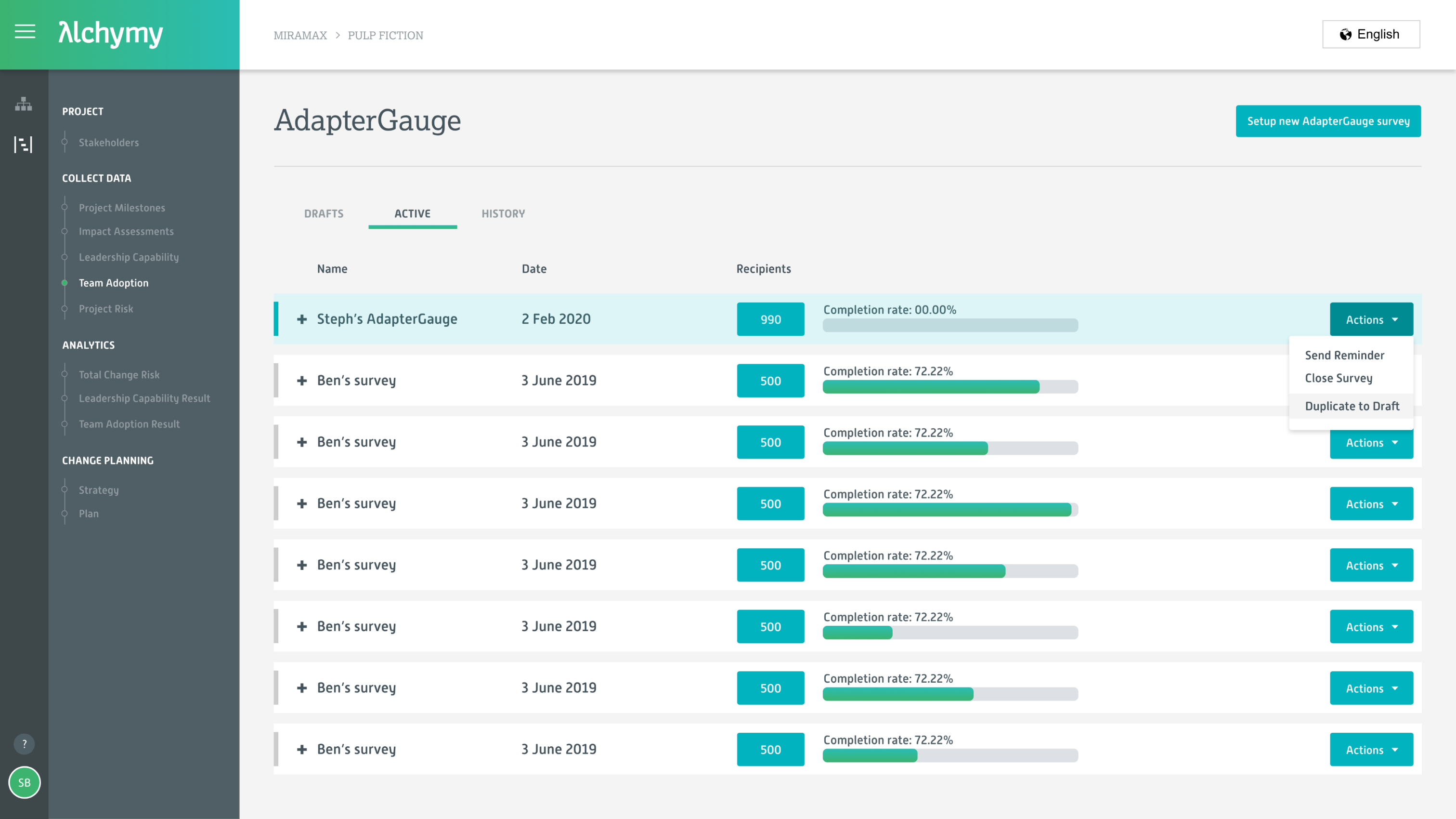
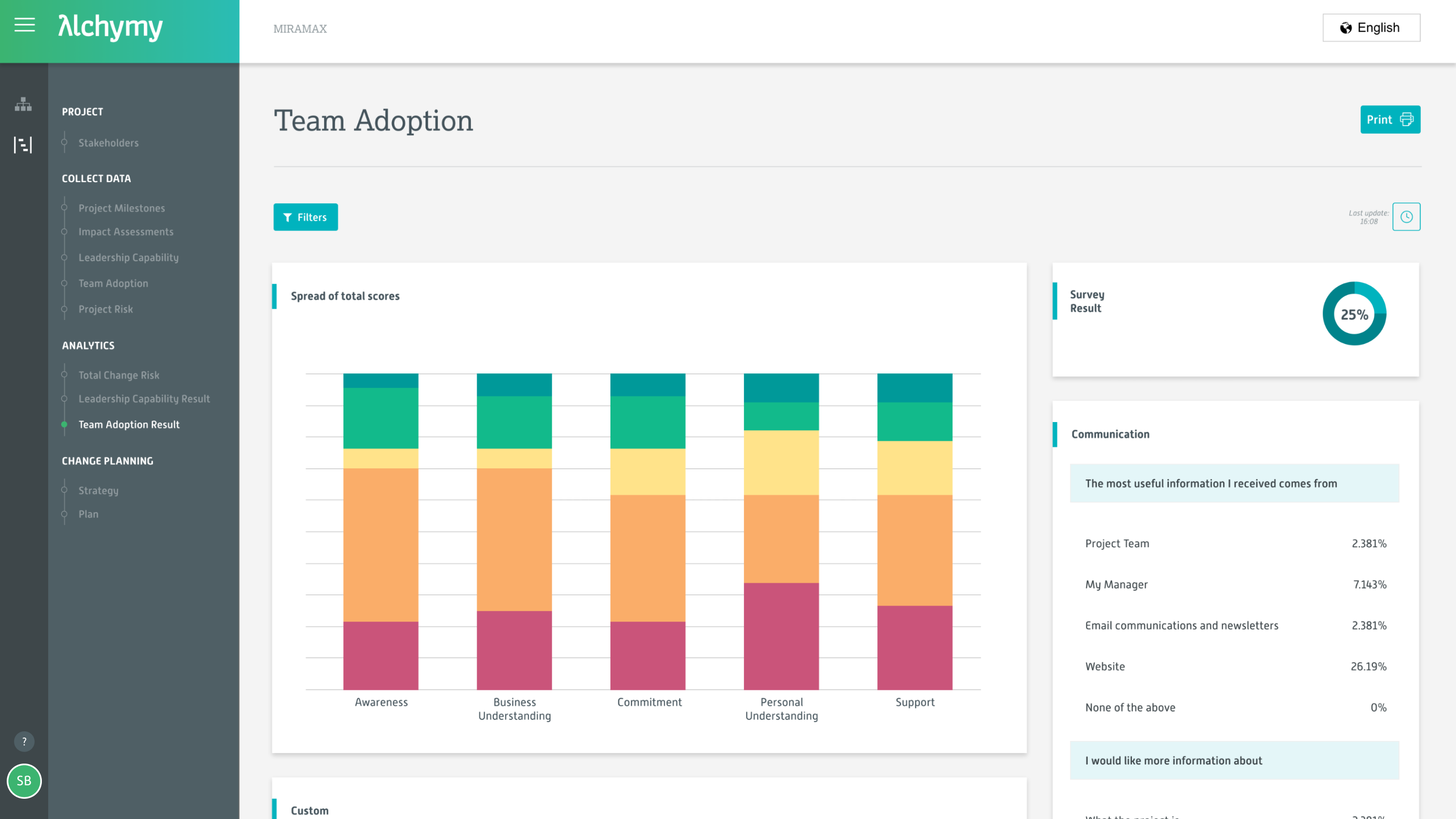
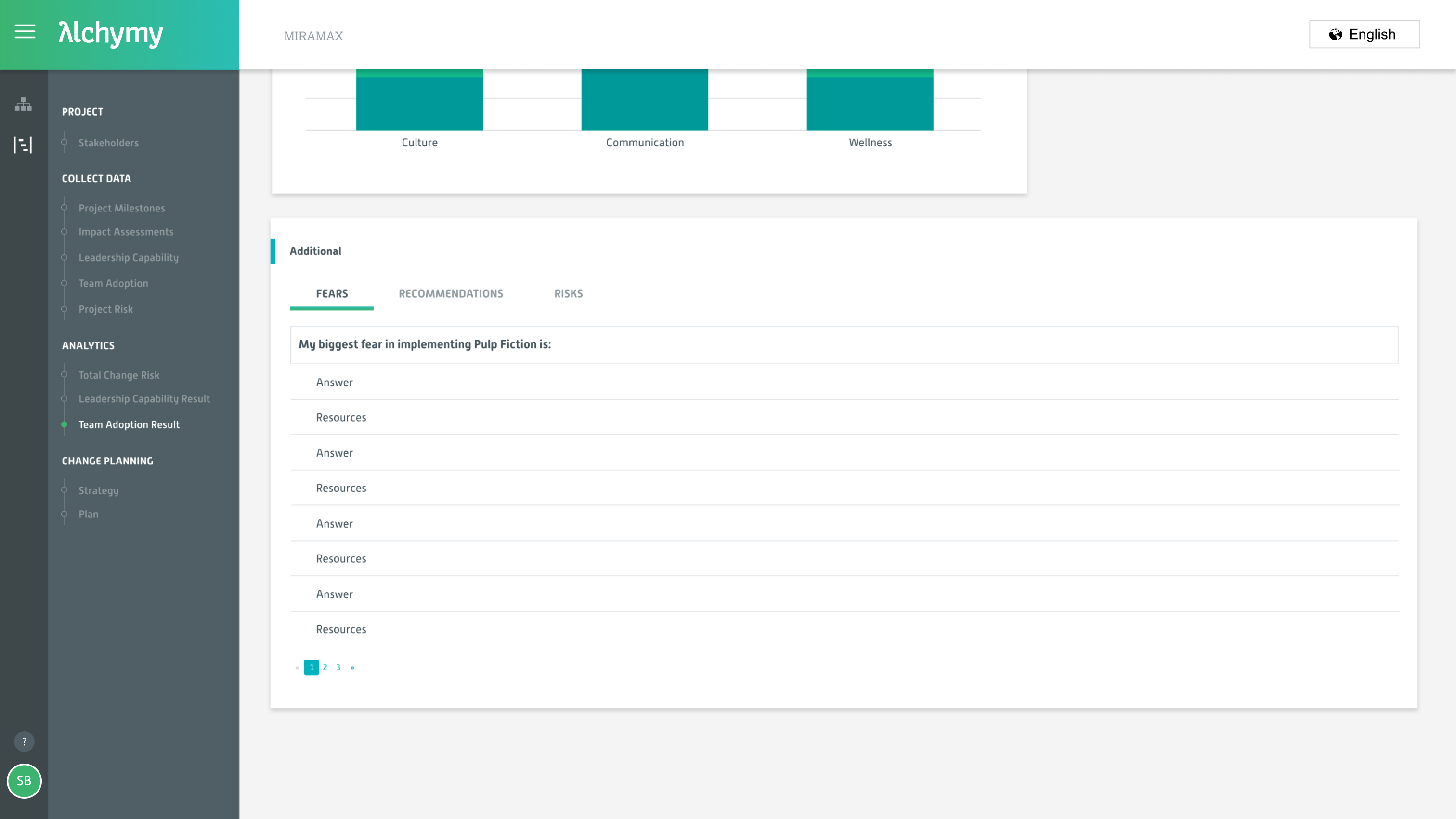
AdapterGauge®
Creates visibility on the progress of people's adoption during project execution, capturing the voice of employees.
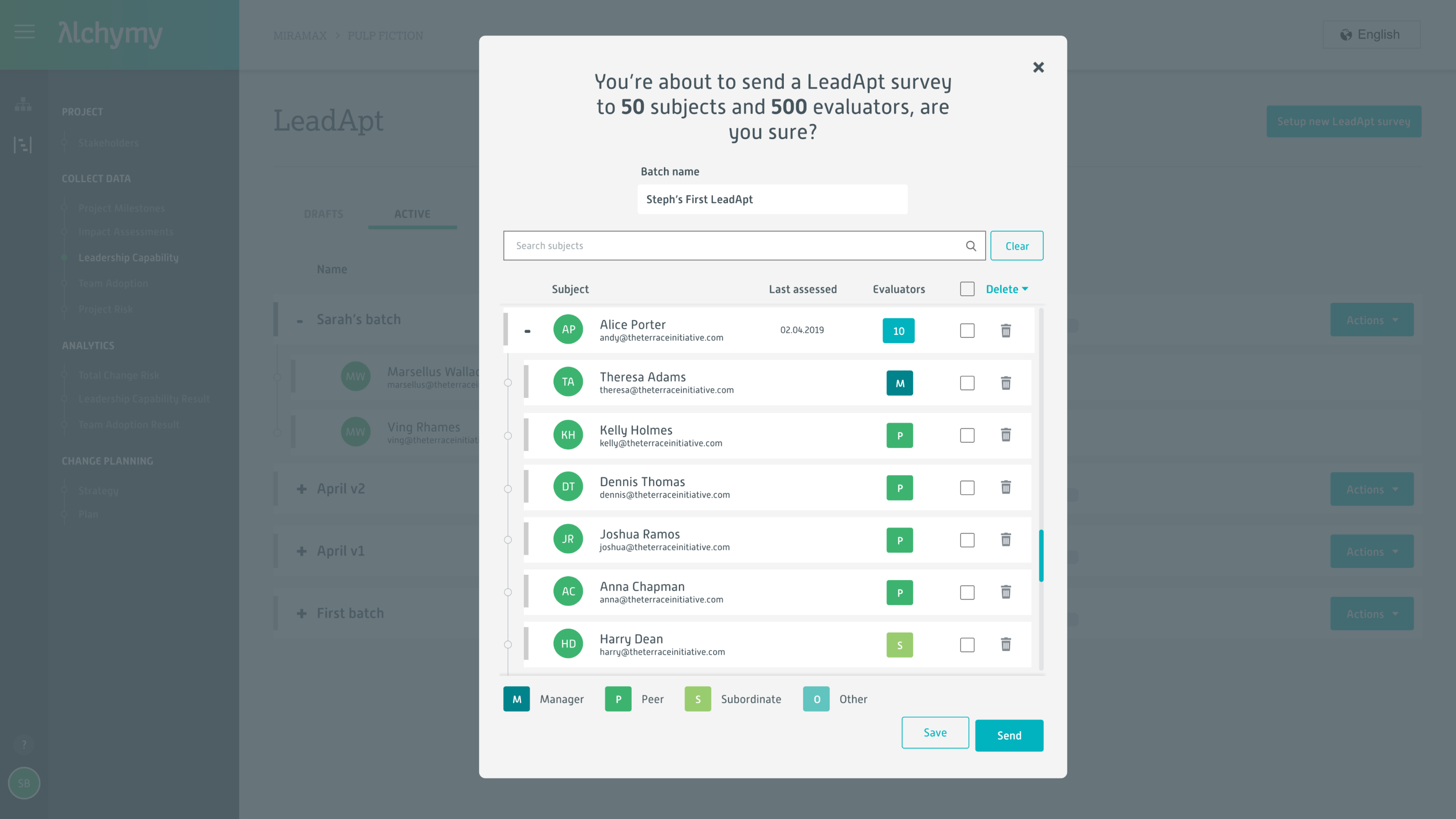
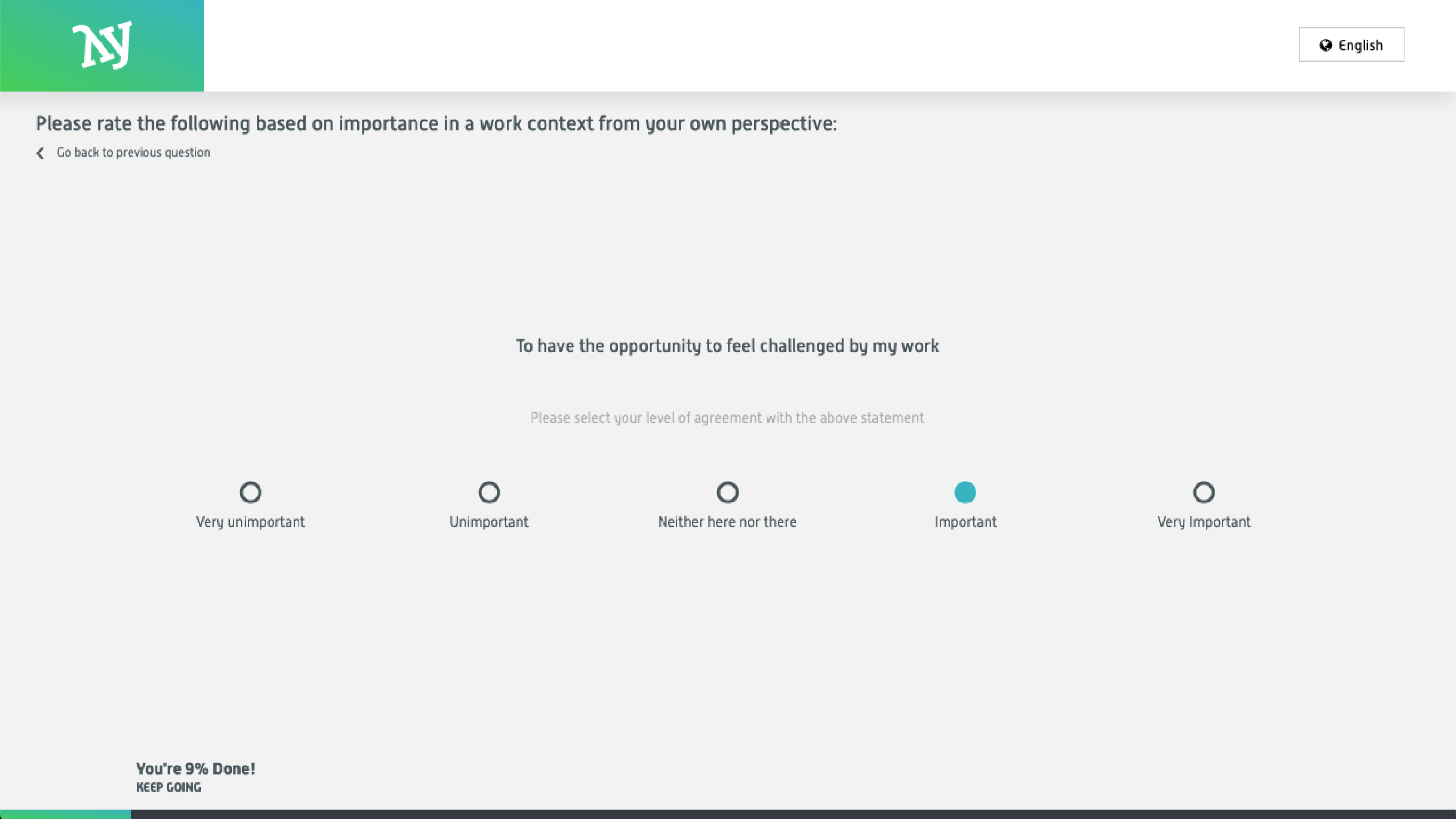
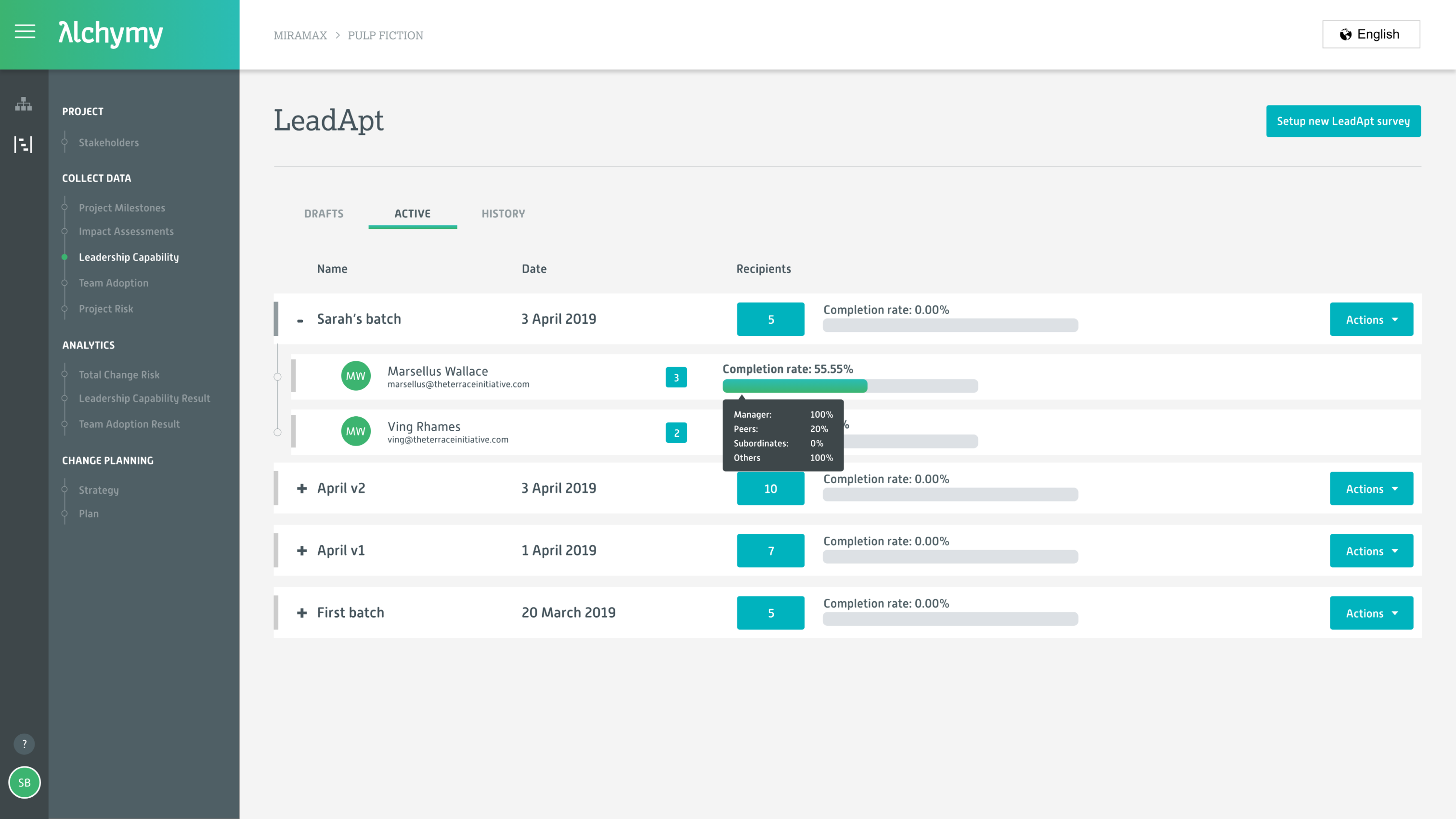
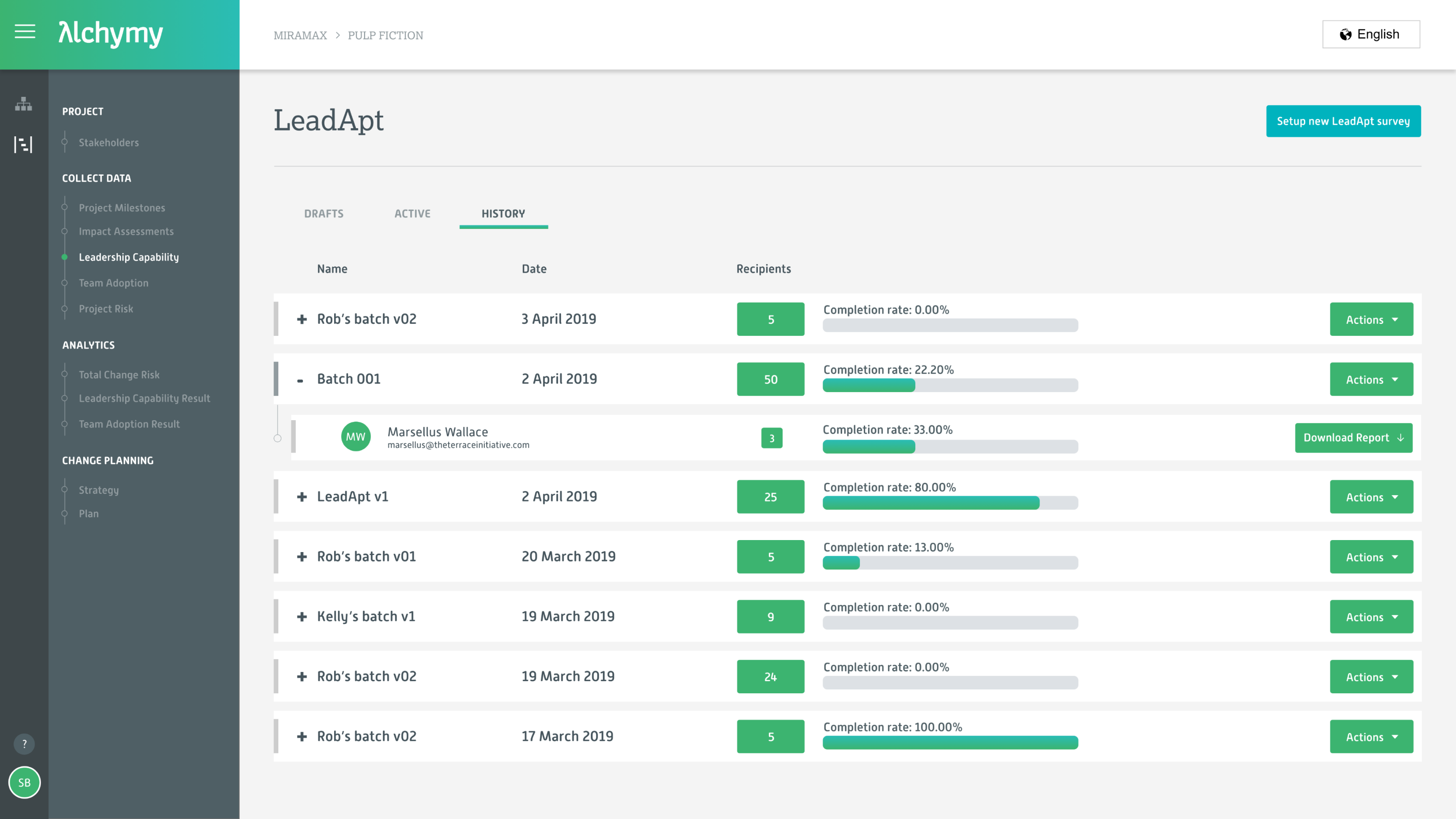
LeadApt®
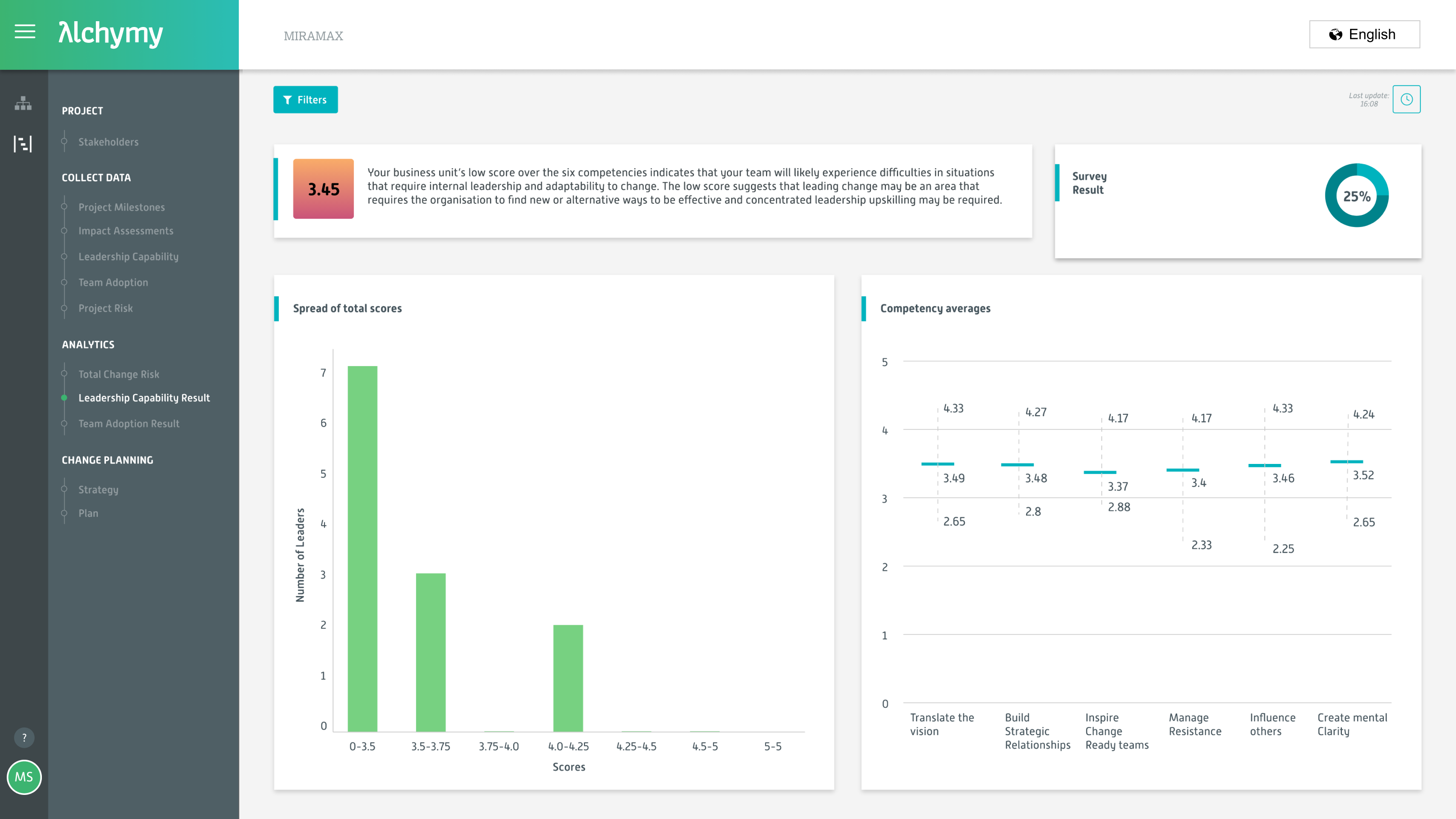
360-degree survey identifying change leadership skills.
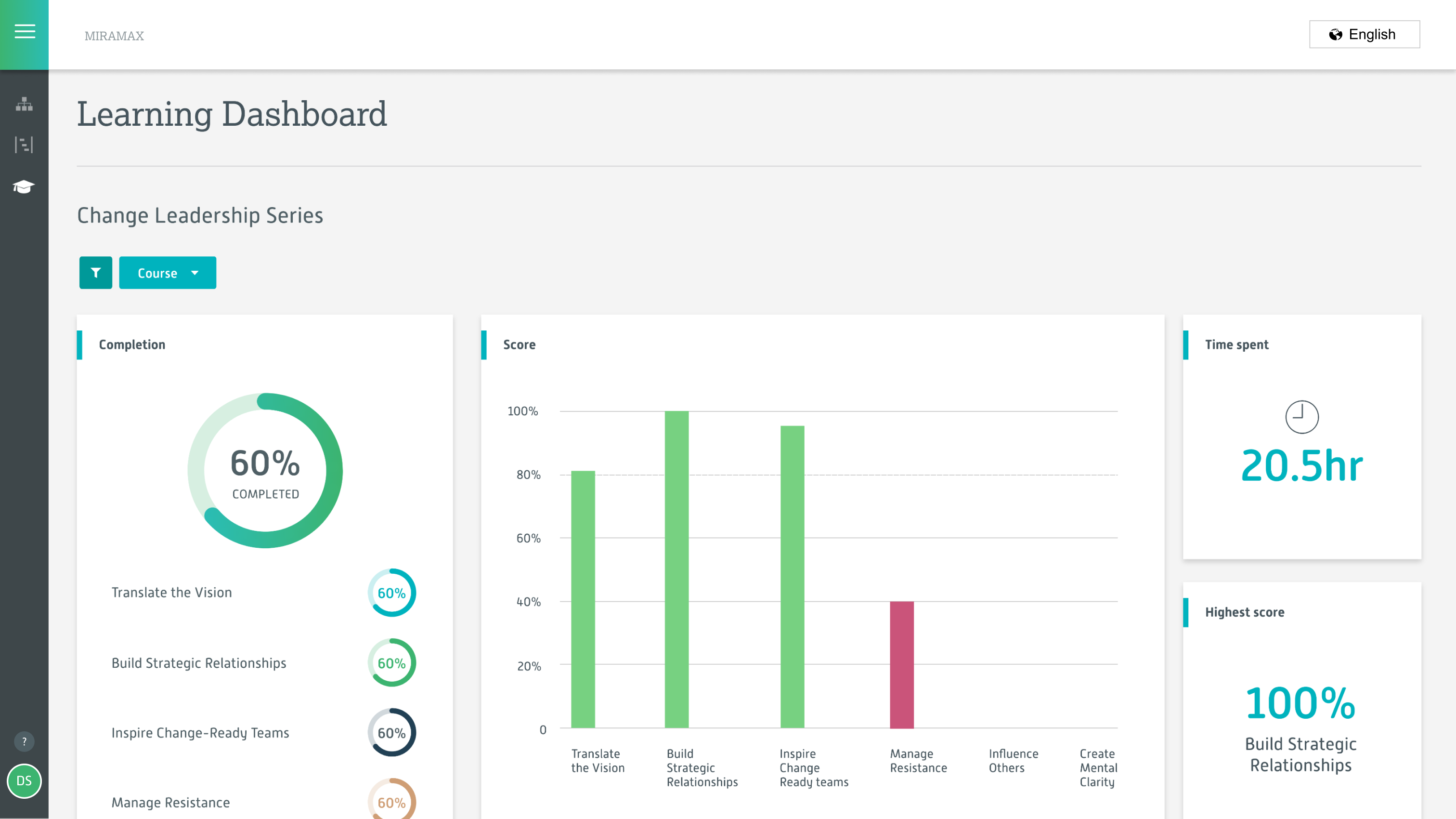
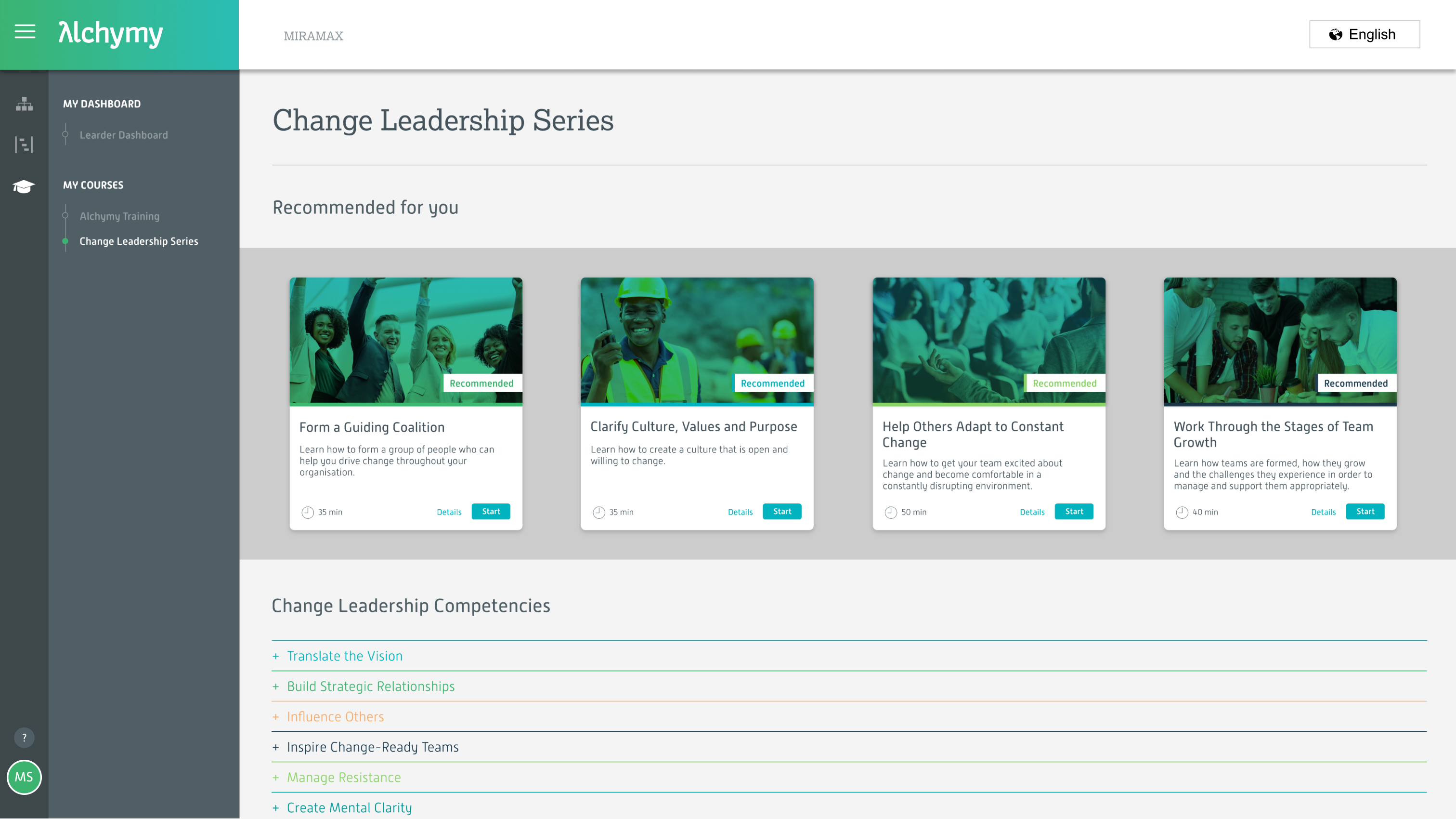
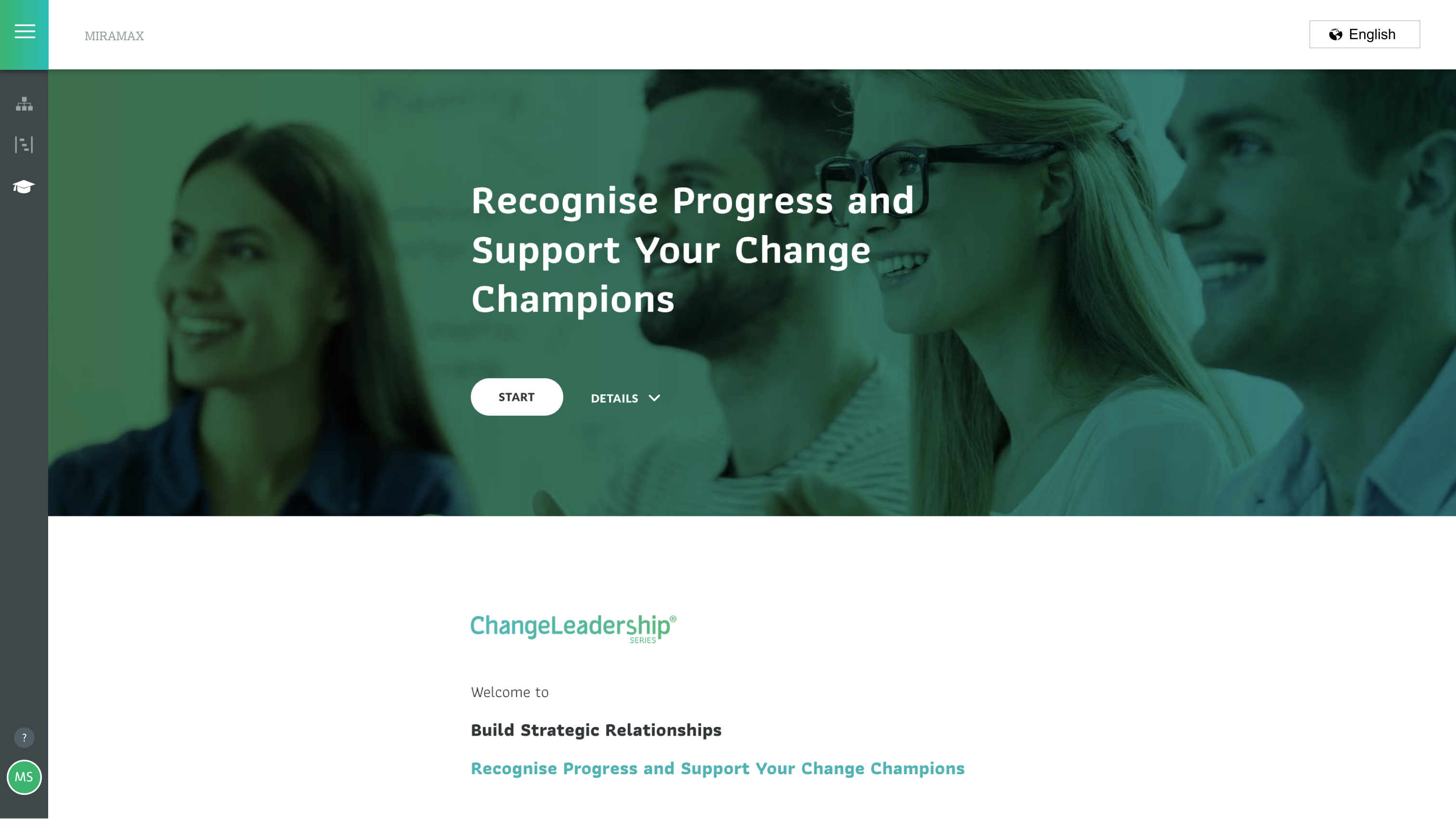
Change Leadership Series®
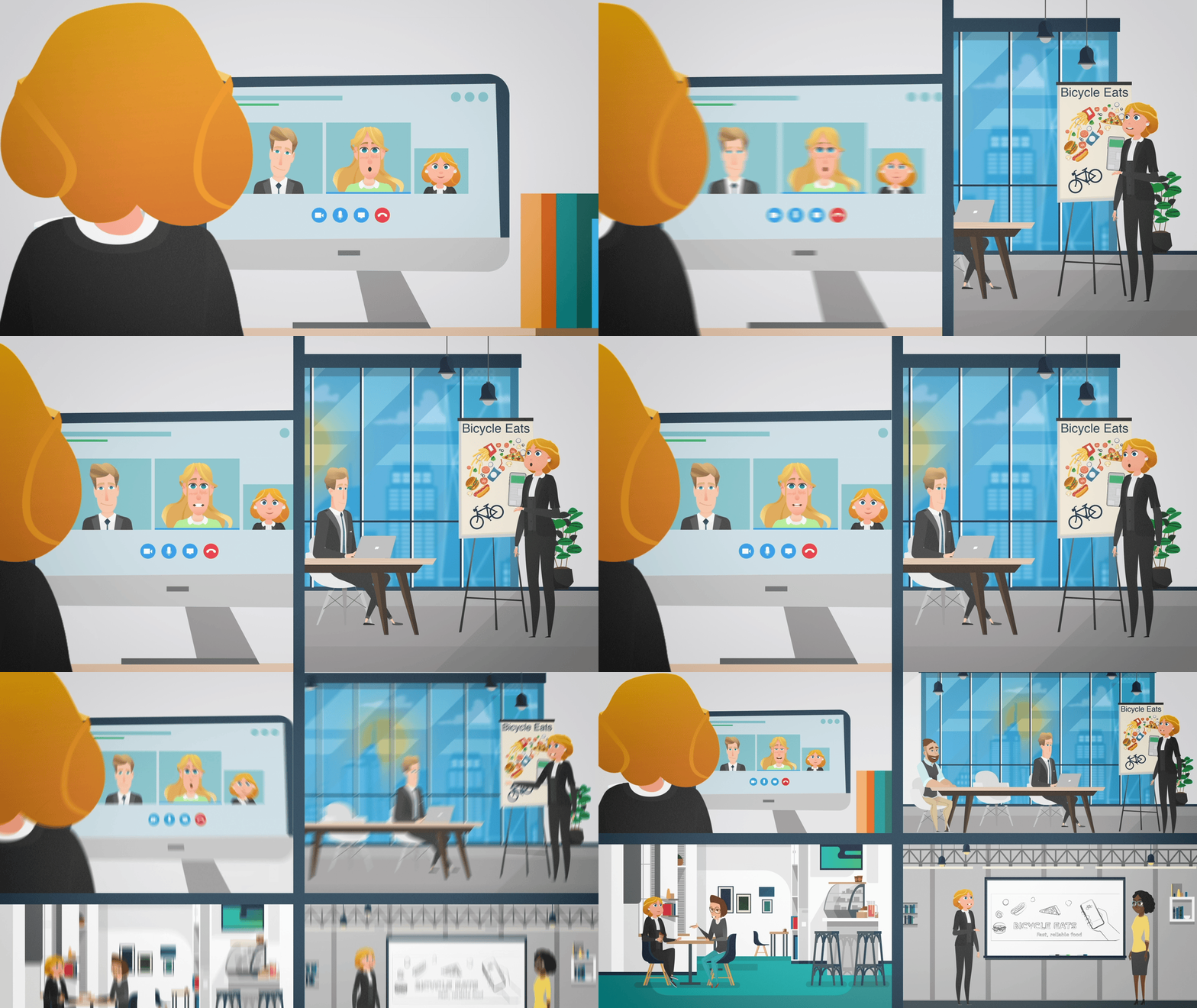
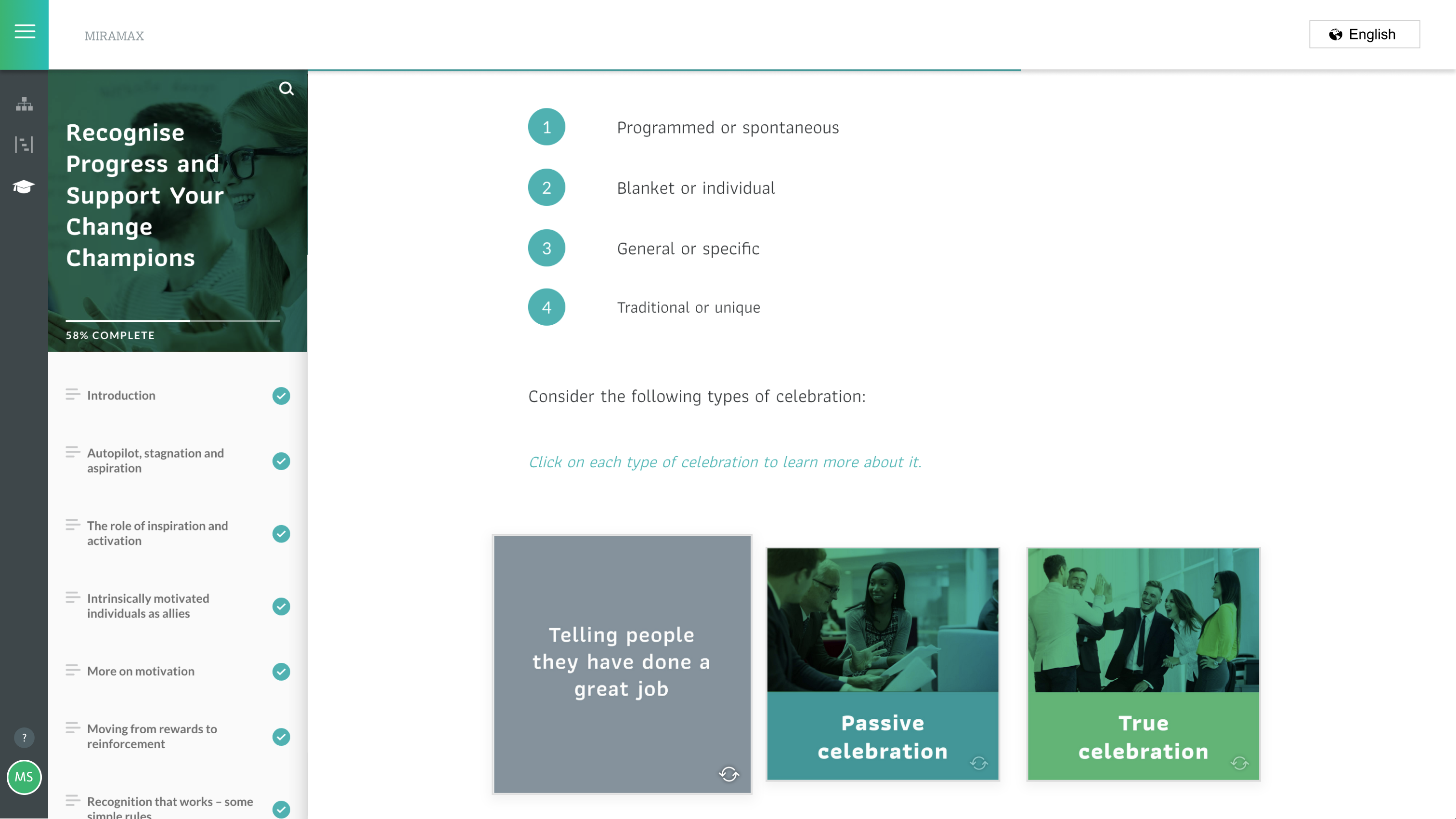
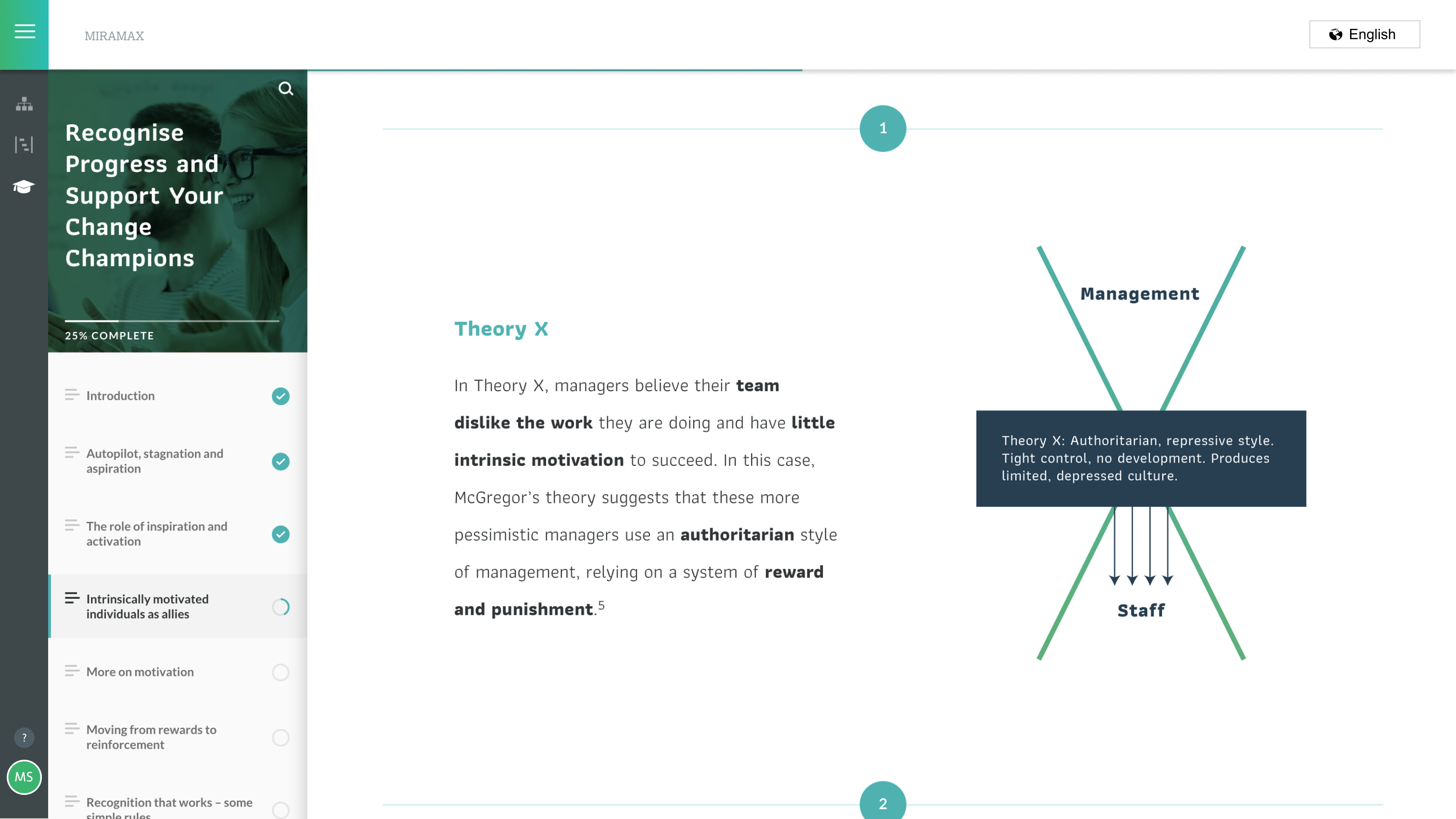
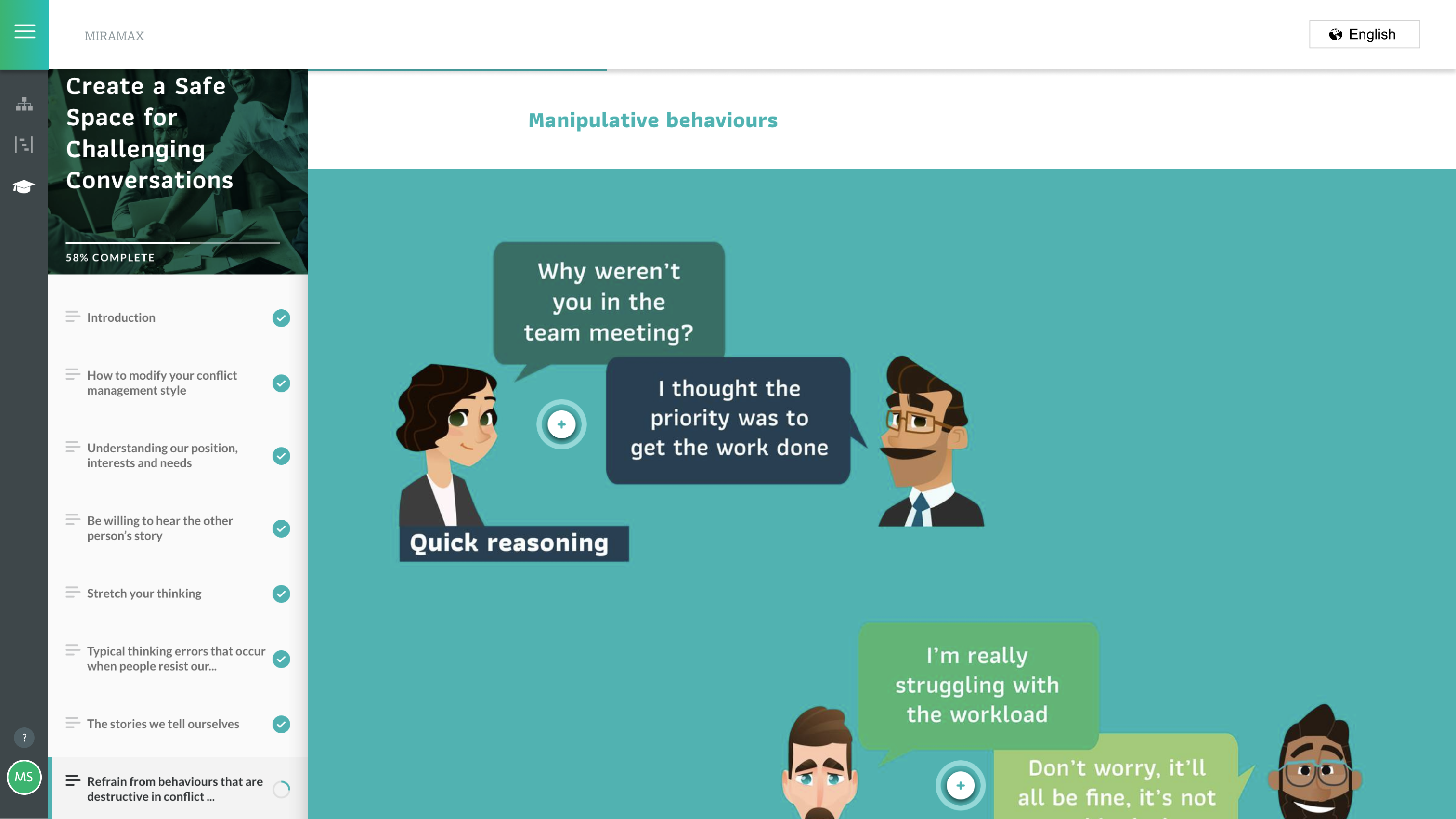
A learning platform that uplifts change leadership capability in the six change competencies through 22 micro-eLearning modules, capability-building workshops, transformational leadership and performance coaching, as well as change leadership analysis at an individual, team and organisational level.

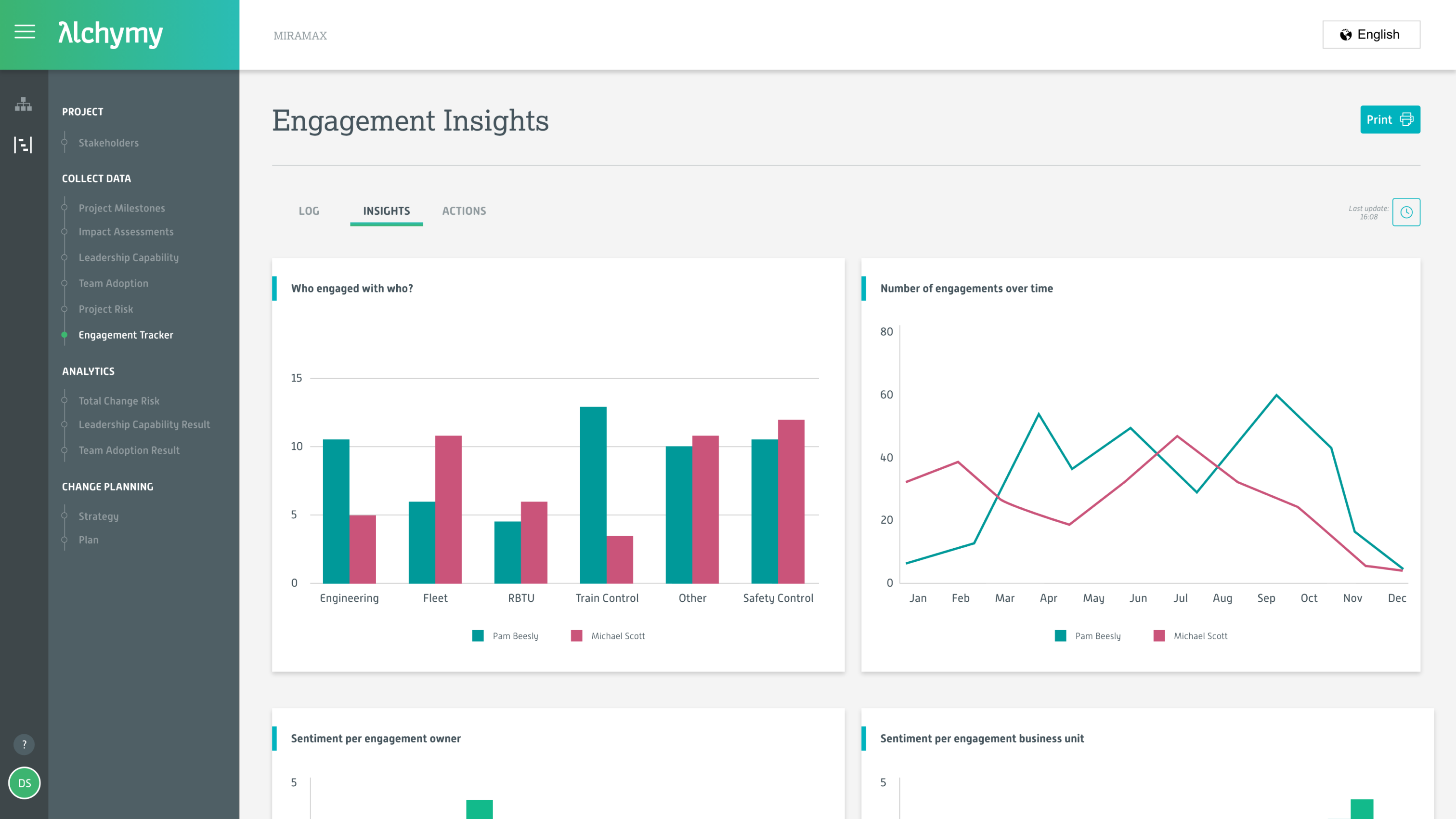
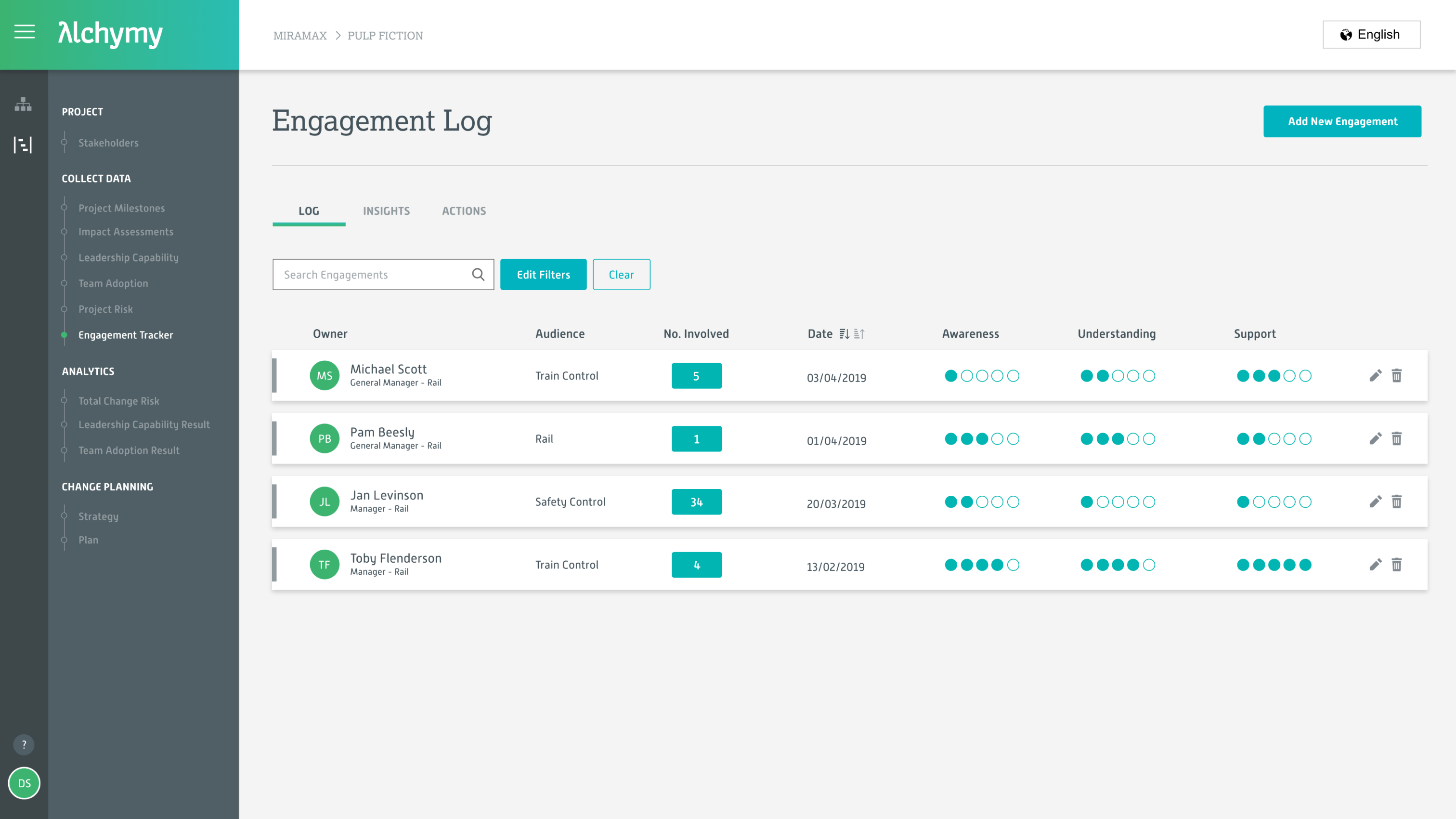
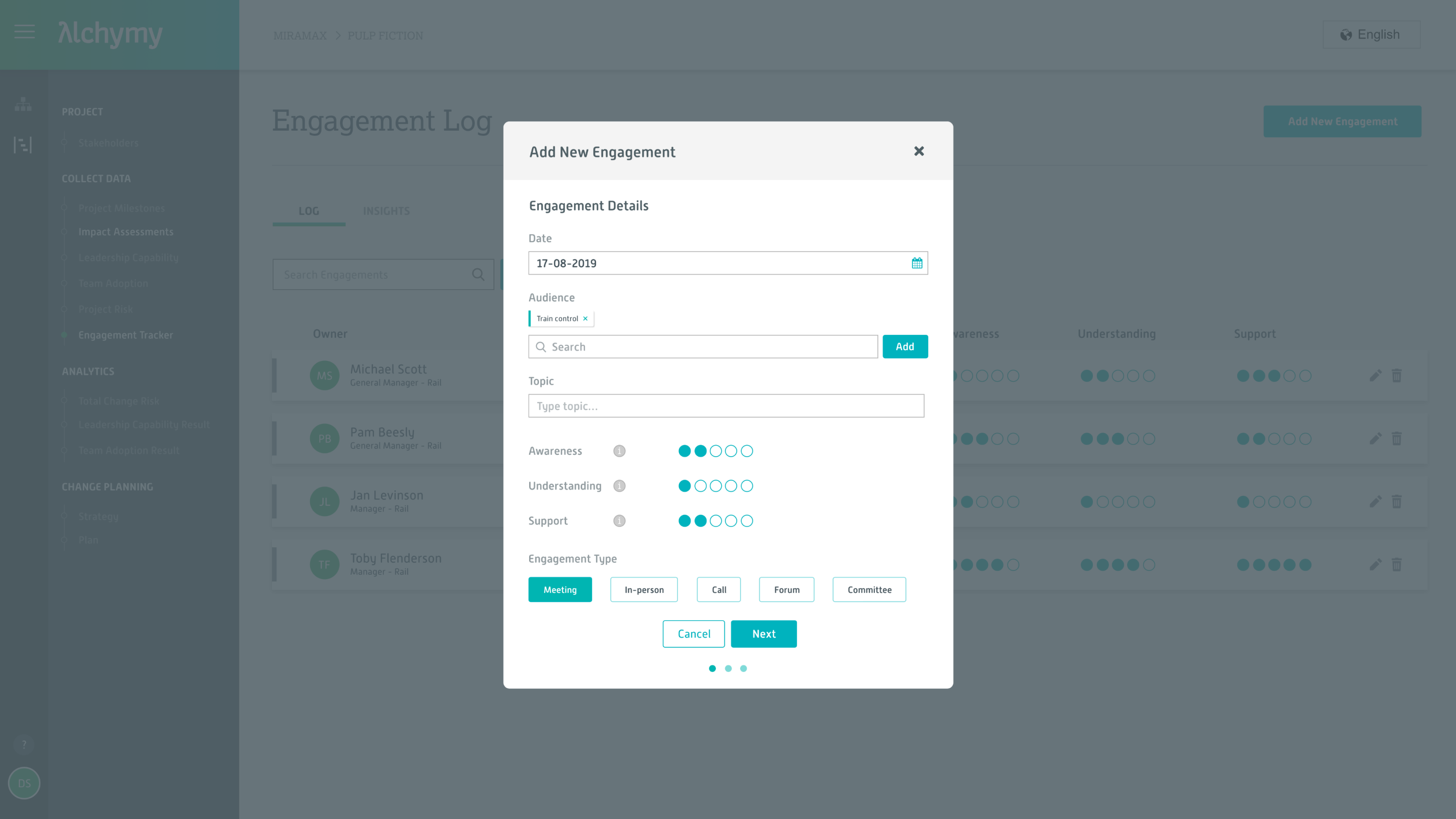
Engagement Tracker®
Helps Change Teams monitor and track communication and engagement to turn conversations into management data.
Outcome
Alchymy® has been successfully used across numerous initiatives to enable a data-driven, leader-led approach to change, equipping organisations to lead change from within.
Due to Alchymy®’s proven success and reputation, Deloitte Australia acquired The Terrace Initiative in 2019 to bolster its change management practice.
To date, Alchymy® has been used to drive organisational Change Management programmes by some of Australia’s largest public institutions and private organisations, such as:
- Macmahon’s People Transformation and HR Operating Model Implementation;
- Western Australia Primary Health Alliance’s (WAPHA) Primary Health Insights (PHI) Project;
- Western Australia Health’s Human Resource Management Information System Proof of Concept;
- Transport for New South Wales’ Automatic Train Protection (ATP) Project;
- Young Institute of Public Administration;
- HBF's Digital Transformation programme and;
- BHP’s World Class Functions Transformation Programme.
Clients
24
People Impacted
~800k
Revenue Generated
<$5 million
Mandla Shonhiwa
© 2025 All rights reserved.