ArtMeets
Description
Designing a networking platform that supports artists and cultural producers across Africa to connect, share work, and build community.
Creating a data-driven change management product equips organisations to lead internal large-scale transformation programs.
Creating a data-driven change management product equips organisations to lead internal large-scale transformation programs.
Creating a data-driven change management product equips organisations to lead internal large-scale transformation programs.
Creating a data-driven change management product equips organisations to lead internal large-scale transformation programs.
Timescale
Project Duration
3 months (2021 - 2022)
Skills
Areas
Product Strategy
Product Design
Service Design
Design Ethics
Project Overview
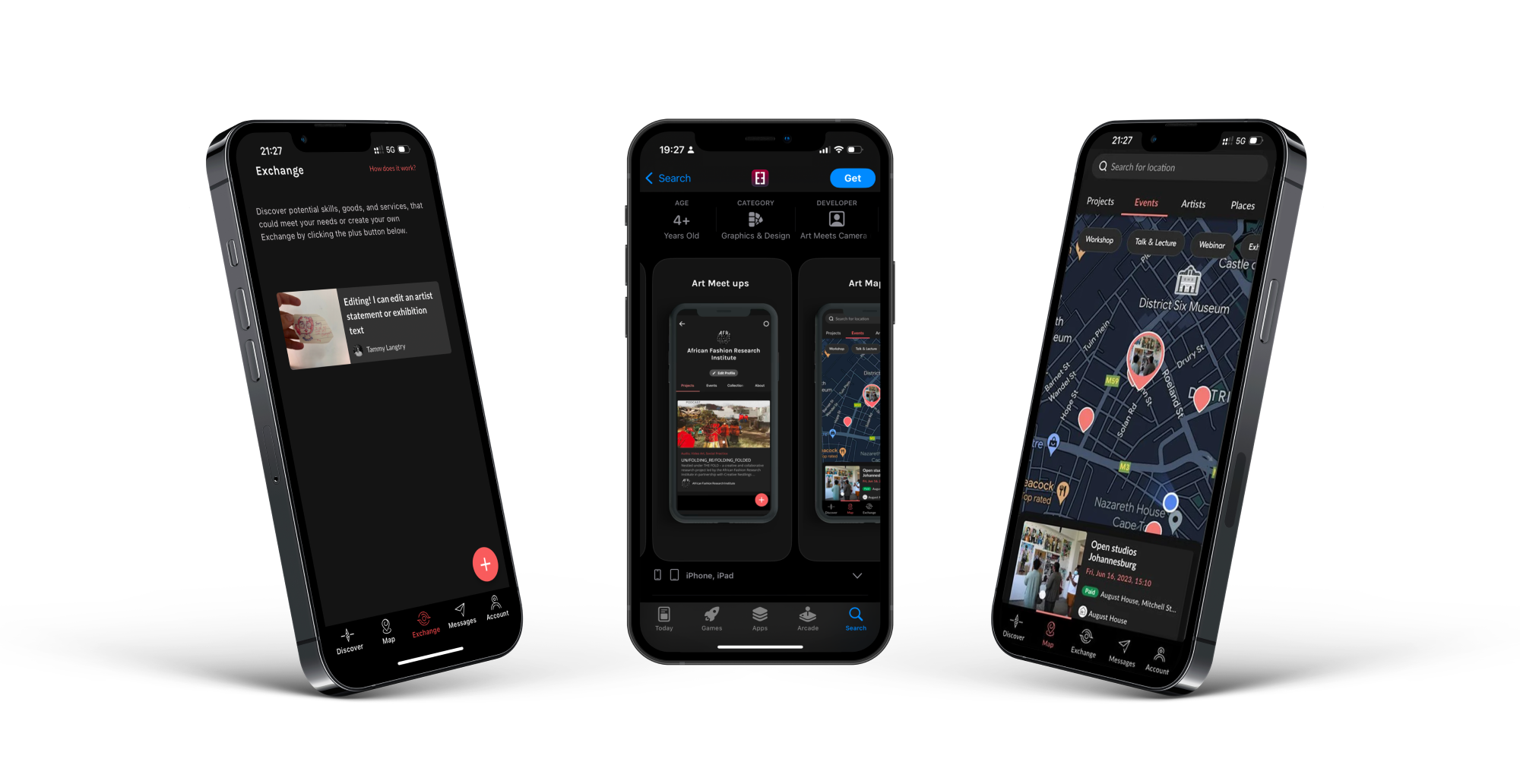
Art Meets is a professional networking platform designed to connect visual artists across the African continent and beyond. The app supports knowledge-sharing, visibility, and collaboration in a sector that is often fragmented by geography, language, and limited access to resources. It builds bridges between artists, cultural producers, institutions, and audiences.
My Role
I was the Lead Product Designer and Product Strategist for ArtMeets, involved from early concept through to design handover for build. I led stakeholder engagement, user research, and platform strategy to define the value proposition, user roles, and key journeys. I also designed the final user interface and worked closely with developers to ensure feasibility and delivery. Alongside this, I facilitated ethics workshops to embed inclusion, safety, and sustainability into the design process.
Challenge
The African art ecosystem is vibrant but fragmented. Artists and cultural producers often operate in silos, with limited access to networks, opportunities, or visibility beyond their immediate context. Most connections occur at international events, which are often expensive and inaccessible to the majority of artists. The existing platform didn’t fully reflect the realities on the ground, missing key needs around access, language, and peer-to-peer exchange.
Solution
We aimed to design a platform that could connect practitioners across the continent and beyond - supporting visibility, collaboration, and knowledge-sharing. As an early-stage startup, we also needed to design with clarity and focus to support future funding opportunities. A key goal was to prioritise features that addressed user needs uncovered in research, which the initial platform hadn’t yet served, such as access to local events, resource sharing, and better discovery across roles in the arts ecosystem.
User Research and Insights
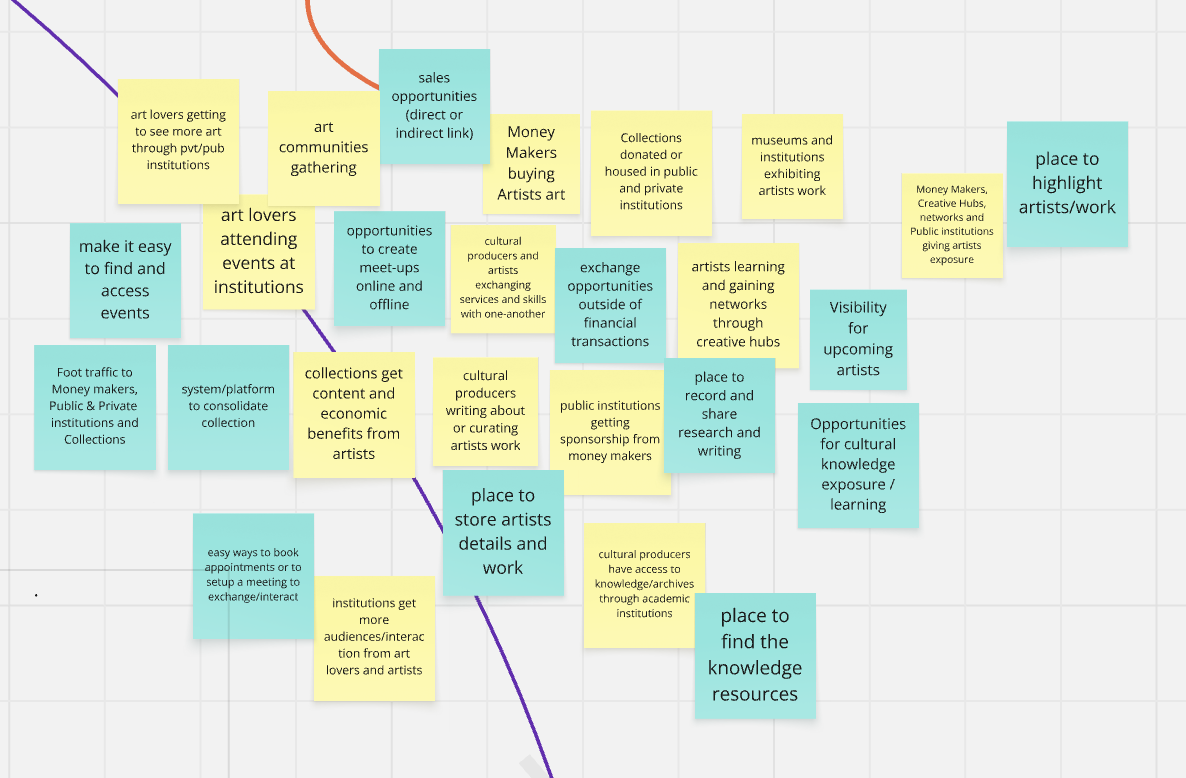
We spoke to artists and cultural producers across the continent and diaspora to understand how they network, share work, and access opportunities.
Key insights included:
- The need for visibility and direct connection with peers.
- Challenges navigating language, geography, and funding structures.
- A desire for more democratic, self-directed spaces outside of traditional institutions.
Define and Ideate
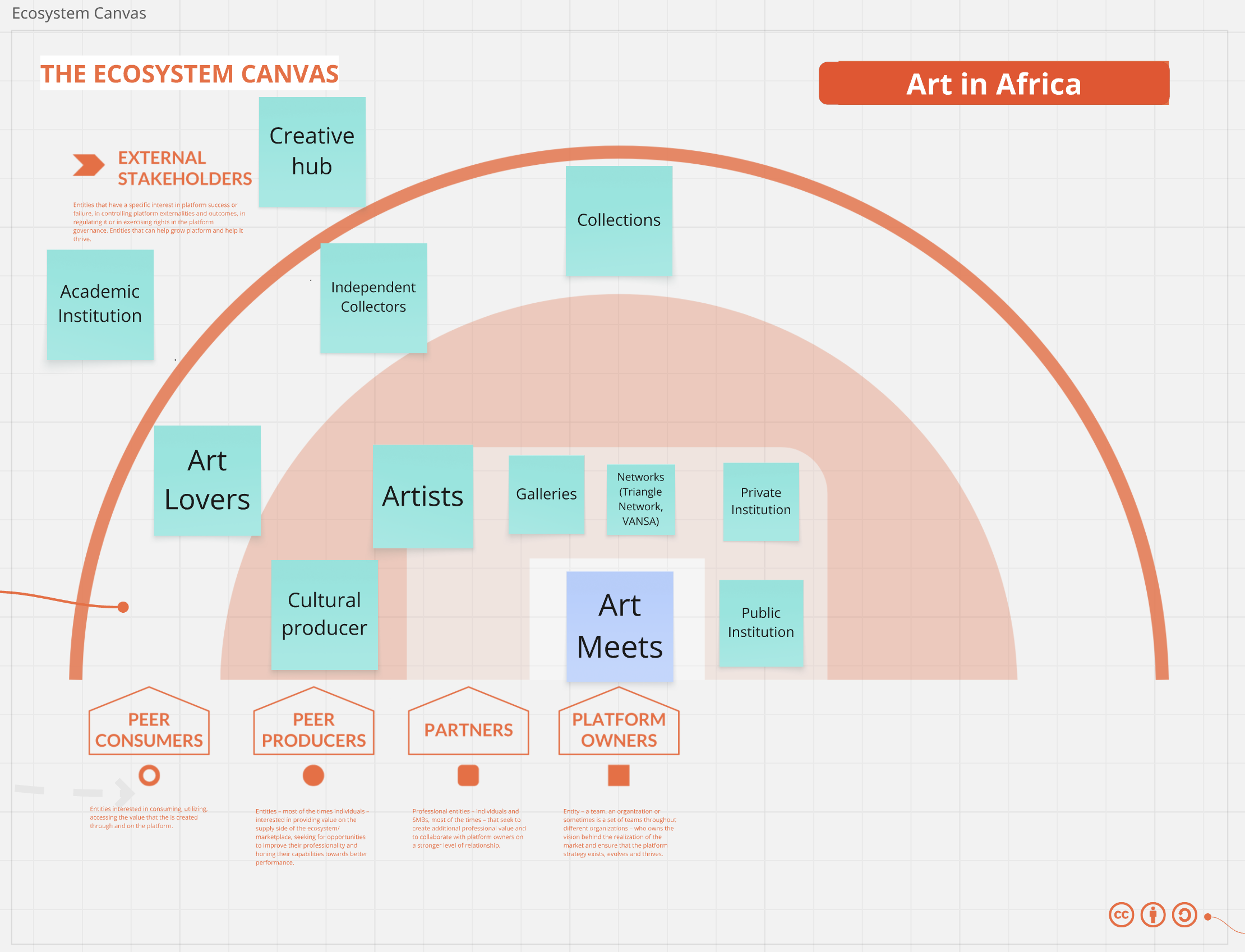
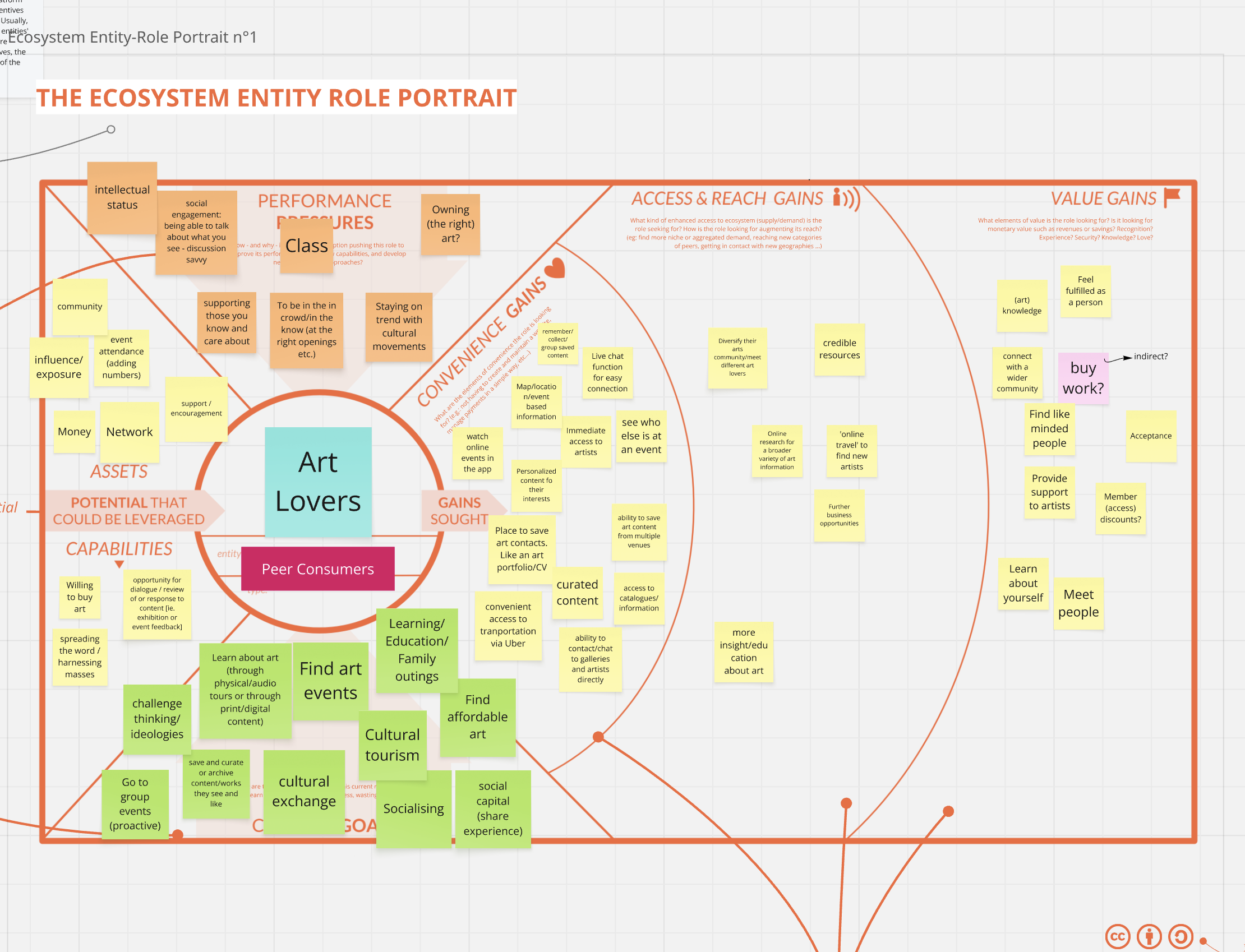
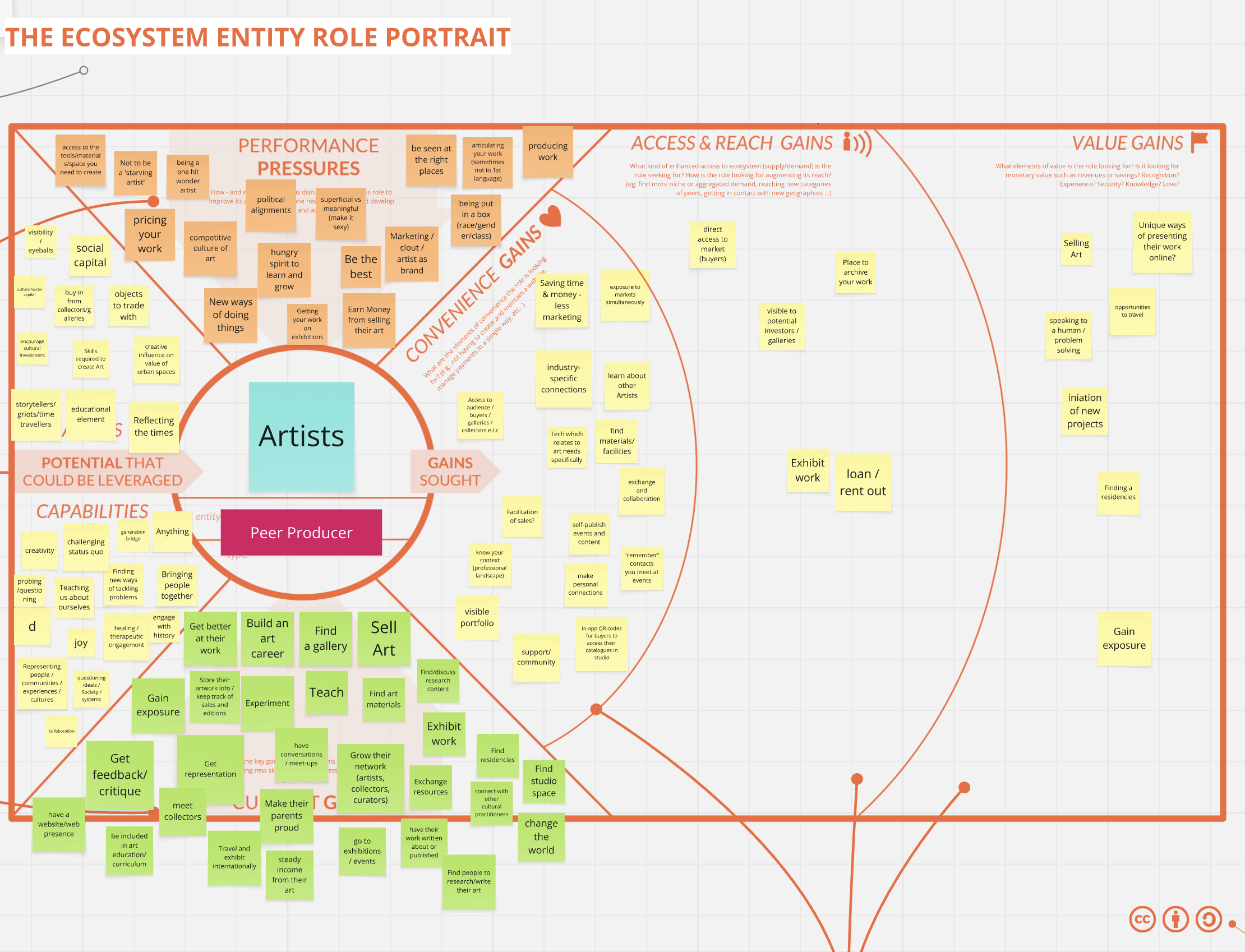
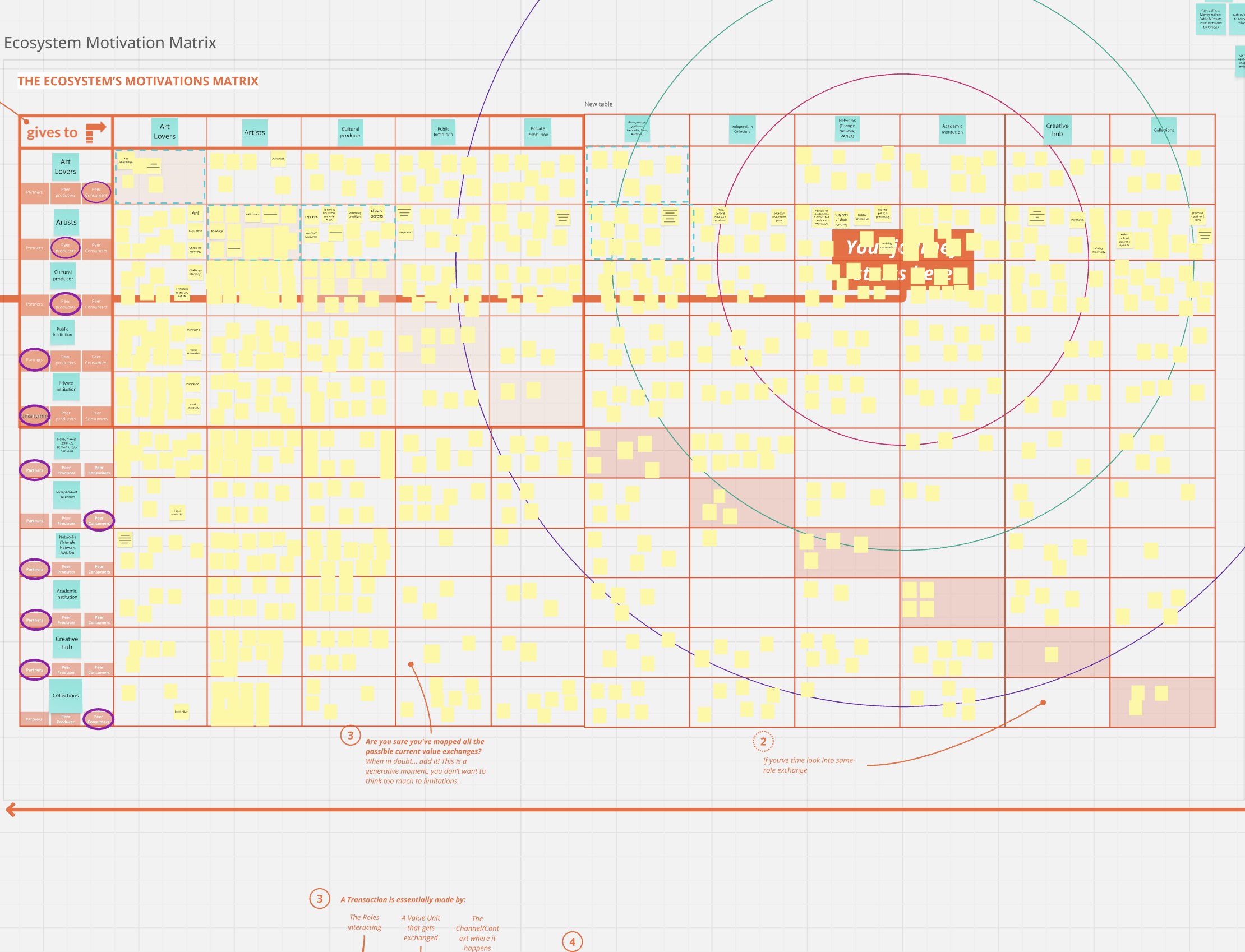
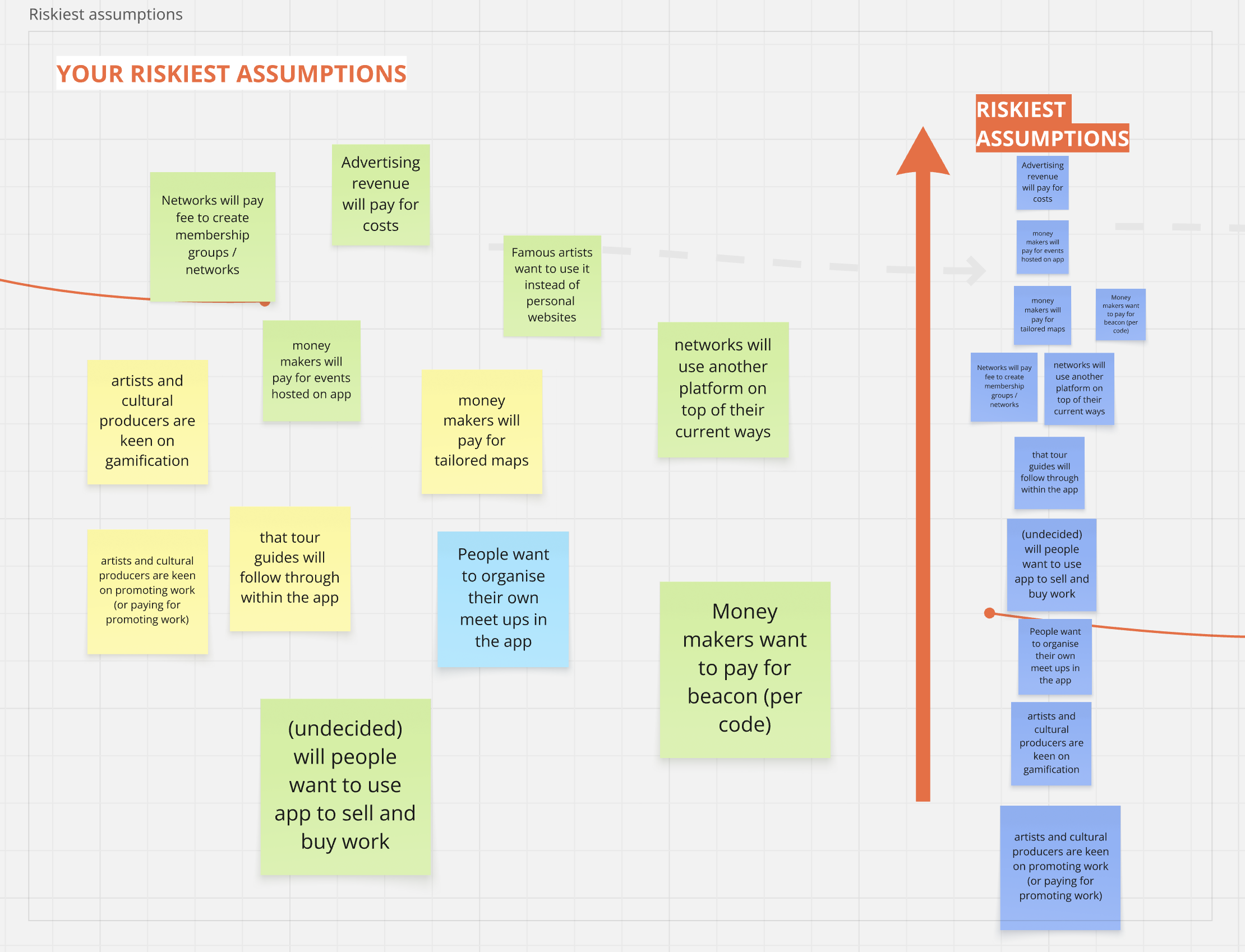
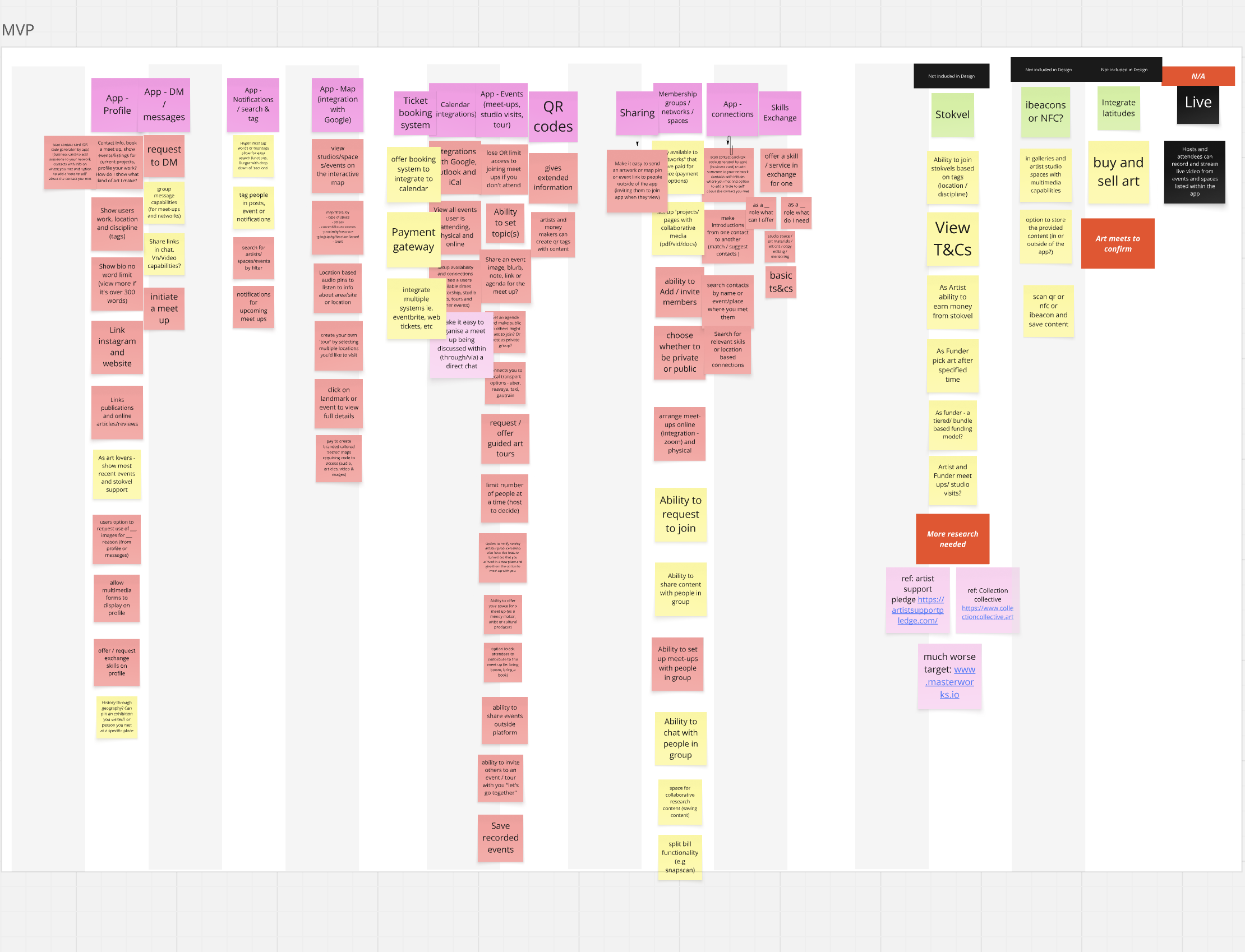
Using the Platform Strategy Design toolkit, mapped out roles within the ecosystem, their motivations, and how value would be exchanged. This helped define our core user types: artists, curators, collectors, galleries, cultural tourists and art lovers, and aligned the platform around their needs. We sketched early concepts for journeys, tested assumptions, and worked through what a lean, viable product could look like.
Ethical Design Approach
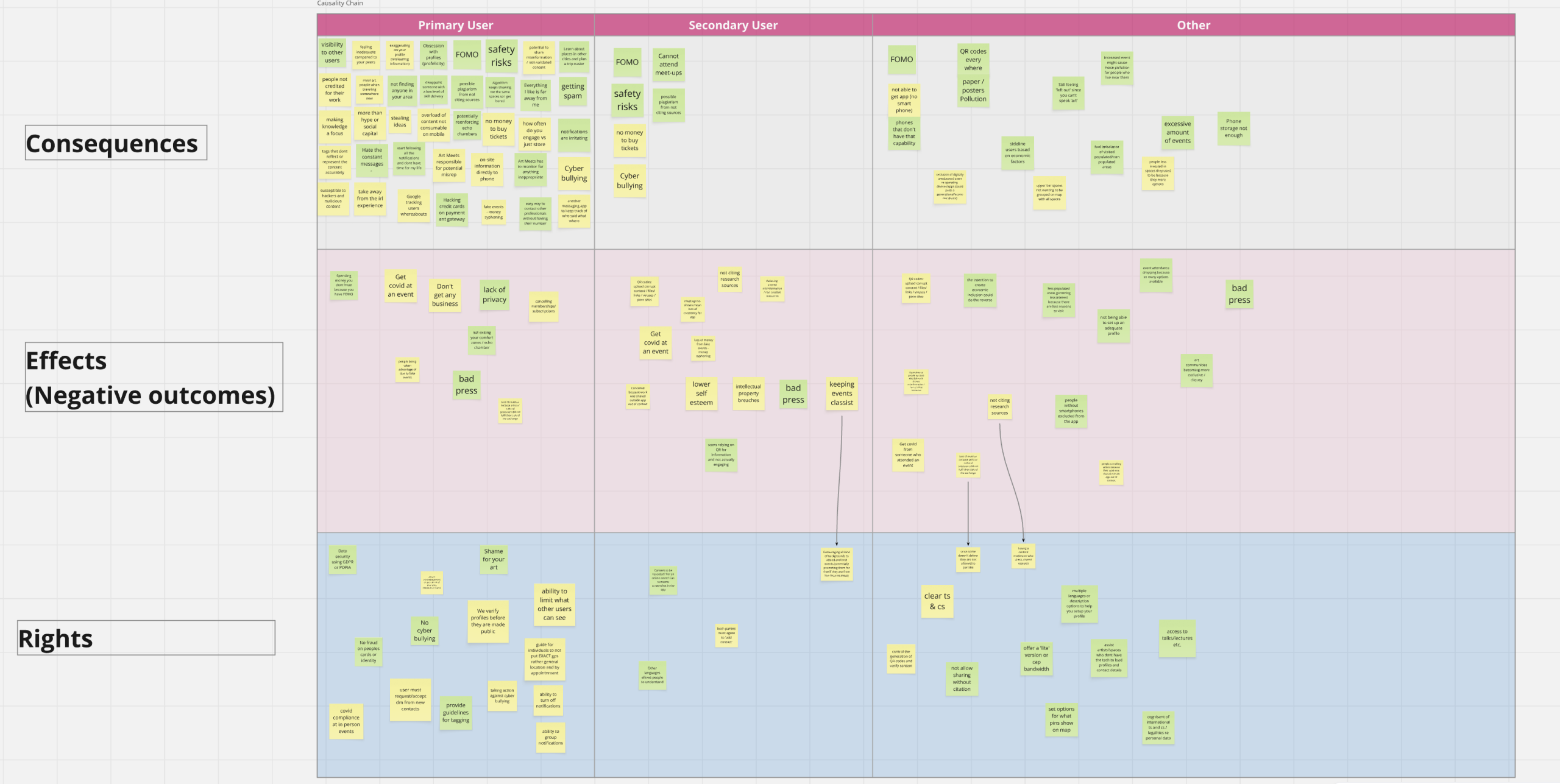
I planned and facilitated an ethics workshop to explore how the platform could support inclusion, safety, and accessibility from the outset. Using four ethical frameworks: Capability Approach, Consequences and Utilities, Duty Ethics, and Virtue Ethics. I guided the team through a process of examining how our design decisions could empower users, avoid harm, and reflect the values of the communities we aimed to support.
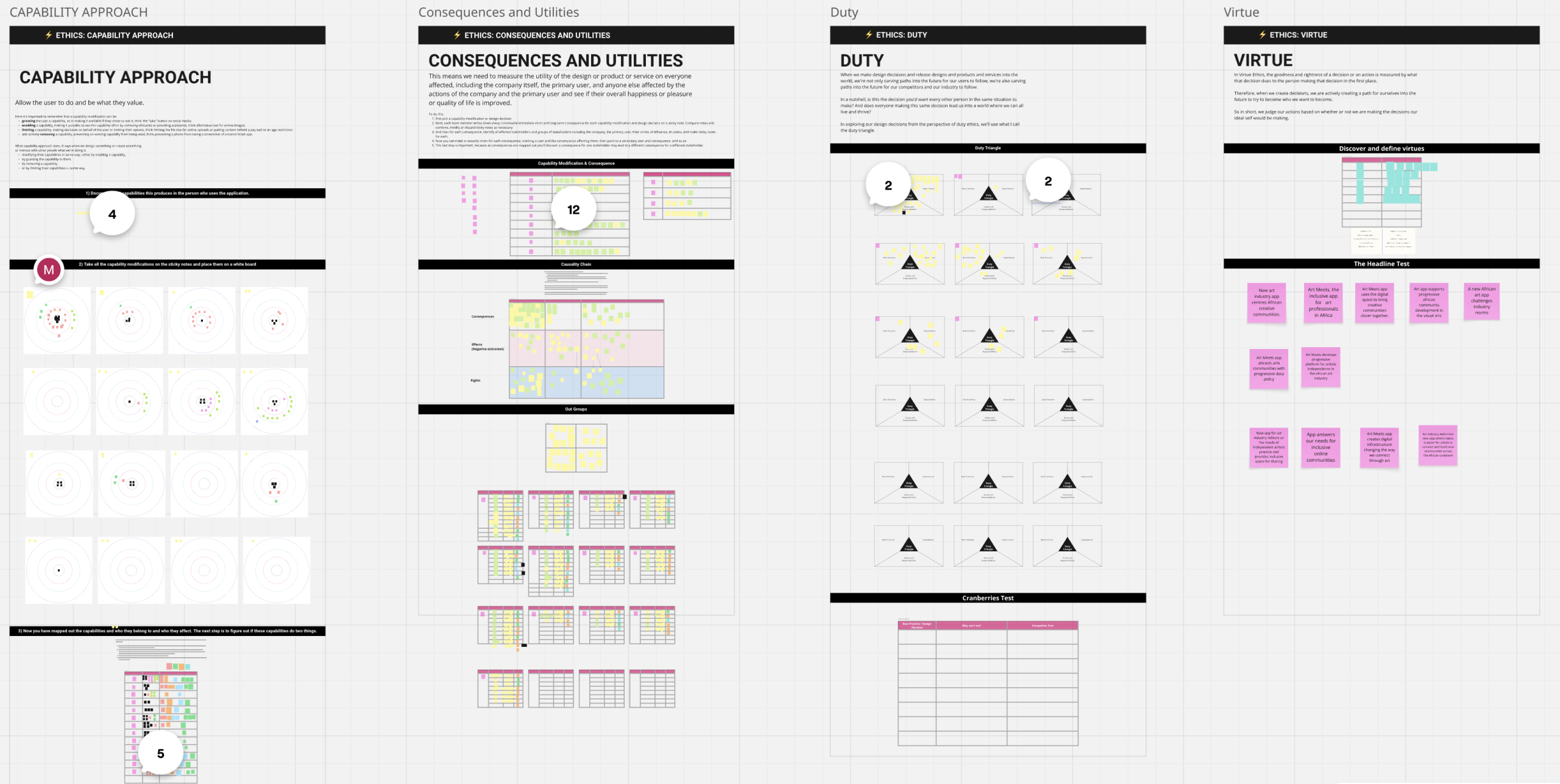
Method: I led sessions that mapped how different features might enable, limit, or remove user capabilities, and explored the potential consequences across stakeholders. We considered both short and long-term impacts, highlighting risks such as digital exclusion, misinformation, and unequal access. I also brought in values-based prompts to reflect on how the platform could support visibility, collaboration, and African identity, while protecting users’ safety and data.
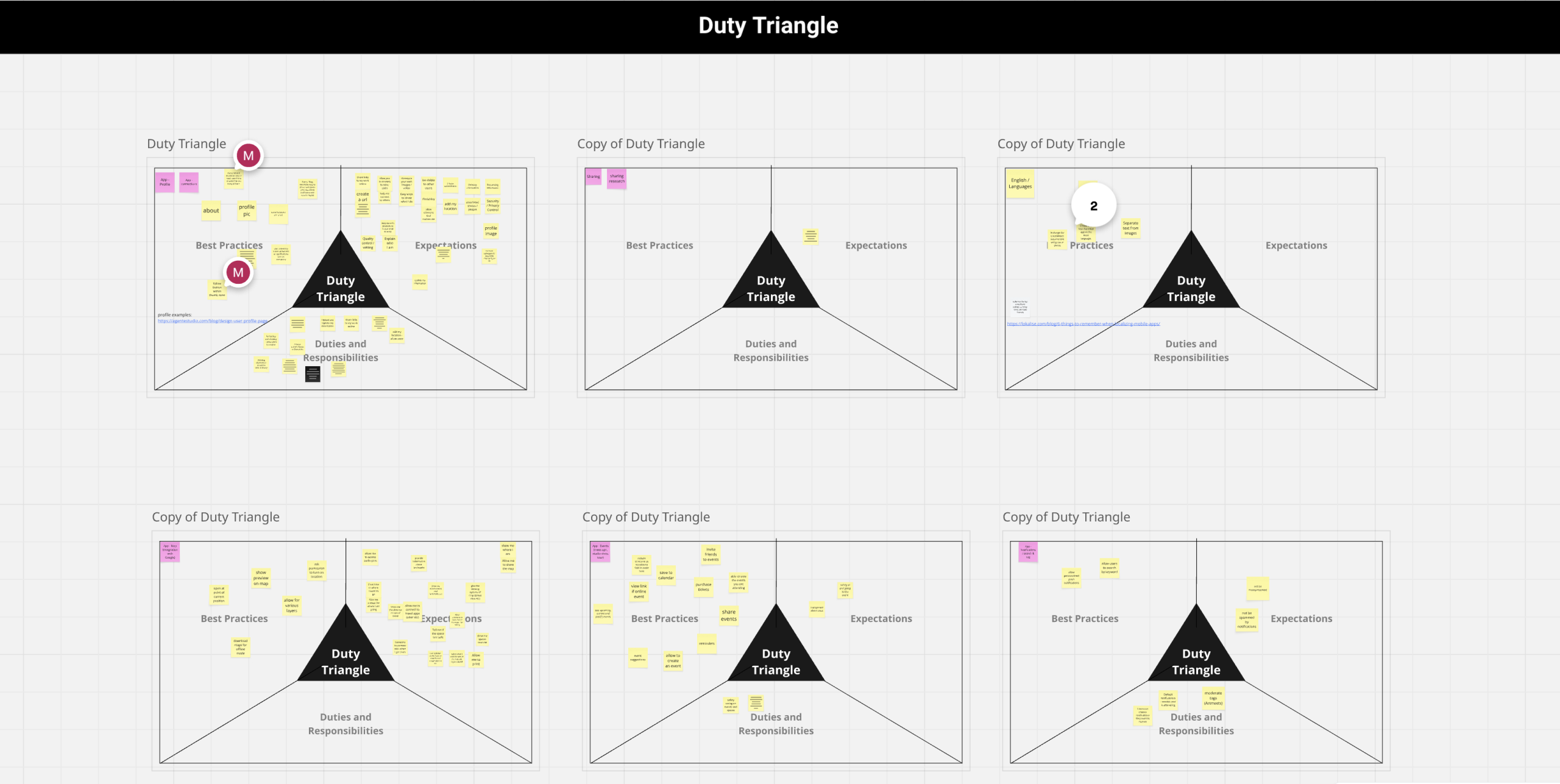
Key Outcomes:
- Inclusion: Design considerations for language diversity, offline access, and low-bandwidth usage.
- Safety: Mechanisms for safer in-person meet-ups, connection requests, and content moderation.
- Transparency: Clear consent and control around data sharing, location use, and visibility.
- User control: Options for managing profile visibility, messaging preferences, and community boundaries.
- Community-first: A design approach grounded in the needs and values of African creative practitioners, not driven by market-first thinking.
This process helped shape decisions about what to include in the MVP, what to deprioritise, and how to frame future development responsibly. It also provided an ethical foundation to align the team and stakeholders around shared principles.
Design and iteration
I translated the platform strategy and research into user flows and interface designs. Key features included:
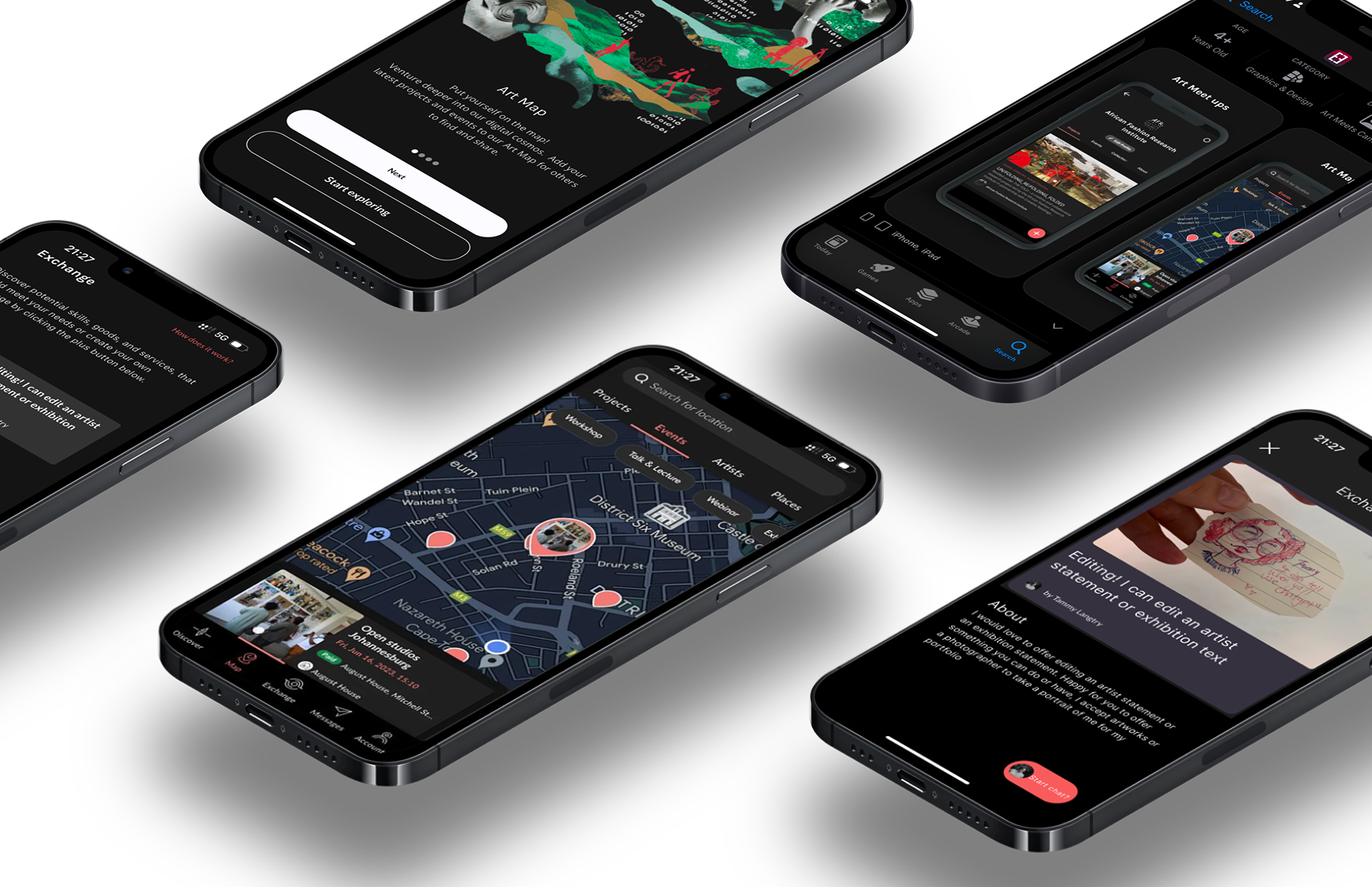
- Discover: A central space for users to find art, events, opportunities, exchanges, and other artists - curated and recommended based on interests and activity.
- Meet-Ups: To organise or join in-person and digital gatherings, studio visits, or informal sessions.
- Maps: To surface local events, spaces, and practitioners through filters and curated routes.
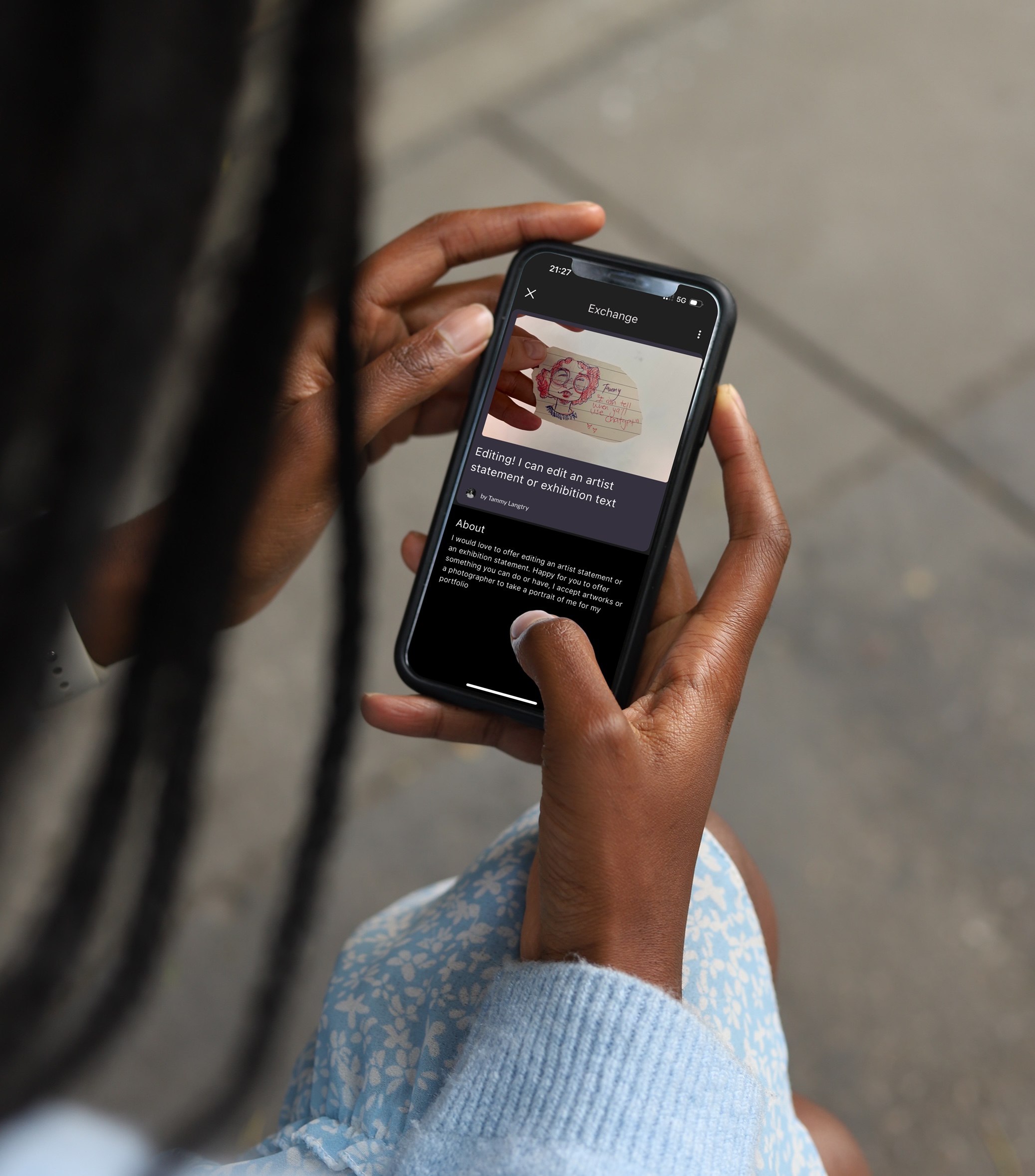
- Skills Exchange: To offer or request support, resources, or services across the community.
- Profiles and Messaging: To connect, build networks, and archive interactions over time.
I worked closely with developers to scope features, problem-solve edge cases, and align on technical feasibility. Ethics frameworks were used throughout to guide decisions around inclusion, access, and safety.
Outcome
The work led to a successful funding round, enabling development of the MVP and wider platform strategy. Art Meets went on to win the CultTech x Ars Electronica Award (2023), recognising its contribution to digital innovation in the cultural sector. The app has since been used as part of artist residencies and events across the globe, supporting connections between artists and expanding visibility for the sector.
Mandla Shonhiwa
© 2025 All rights reserved.