Western Australia Health
Description
Reimagining Western Australia Health’s learning ecosystem and implementing an employee-centric approach to learning and organisational transformation.
Creating a data-driven change management product equips organisations to lead internal large-scale transformation programs.
Creating a data-driven change management product equips organisations to lead internal large-scale transformation programs.
Creating a data-driven change management product equips organisations to lead internal large-scale transformation programs.
Creating a data-driven change management product equips organisations to lead internal large-scale transformation programs.
Timescale
Project Duration
7 Weeks (2021)
Skills
Areas
Experience Design
Service Design
User Research
Facilitation and Co-design
Project Overview
Western Australia Health is undergoing a statewide Human Resources Management Information System (HRMIS) replacement program.
Deloitte was invited to participate in a period of proof of concept testing, which allowed Western Australia Health to rigorously test and evaluate the system’s suitability in meeting the workforce requirements in metropolitan and regional areas.
My Role
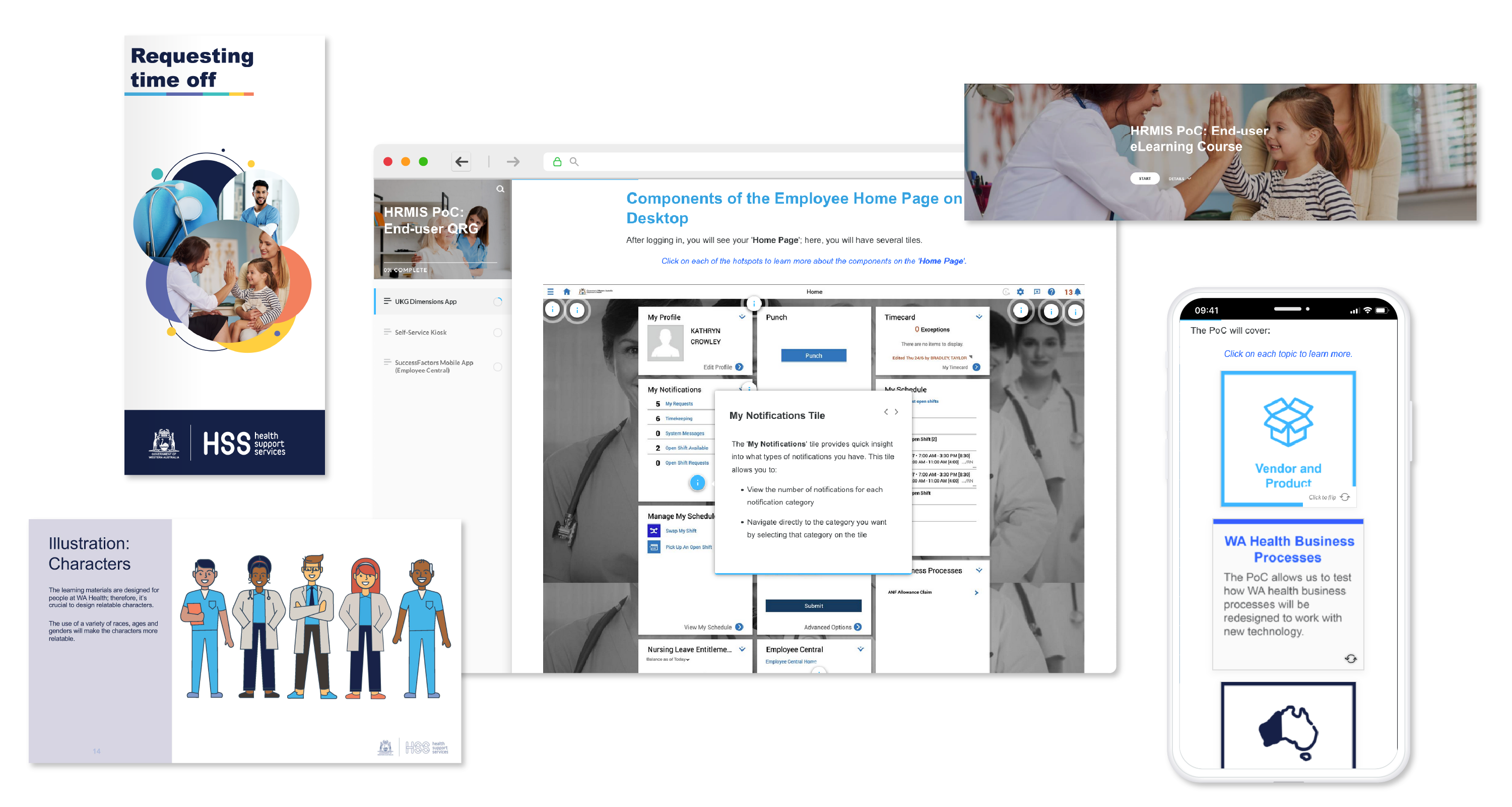
As the Learning and Employee Experience Design Lead, I was responsible for all experience design deliverables, such as employee research, design strategies, learning experience design, graphic design and UX/UI design, design system, and learning artefacts. This role saw me support the organisation's move from reactive event-based learning towards proactive, continuous learning that minimised the impact on daily workflow.
Challenge
Health Support Services (HSS) provides payroll and employment services to the Western Australia Health system workforce. This is the single system that touches every one of Western Australia Health, up to 52,000 nurses, doctors and other health professionals who rely on a complex patchwork of legacy and duplicate Human Resources management and payroll applications, which run on technology developed in the 1980s and 1990s to deliver their wages. The current Human Resources and Payroll systems did not meet the business objectives, were not well-supported, and did not have the required functionality or scale to meet Western Australia Health’s growing needs.
Solution
The new Human Resources Management Information System proof of concept required more than just new technology to succeed. It required a holistic approach that not only addresses the transition to new and exciting technology but will also shift Western Australia Health’s way of working to simplify, improve and positively impact its workforce. Creating the conditions for people to be ready, willing and able to change is critical to Western Australia Health, realising the value of its investment in this exciting transformation journey. Fundamental to this approach is robust learning and employee experiences tailored to the needs of Western Australia Health.
Approach
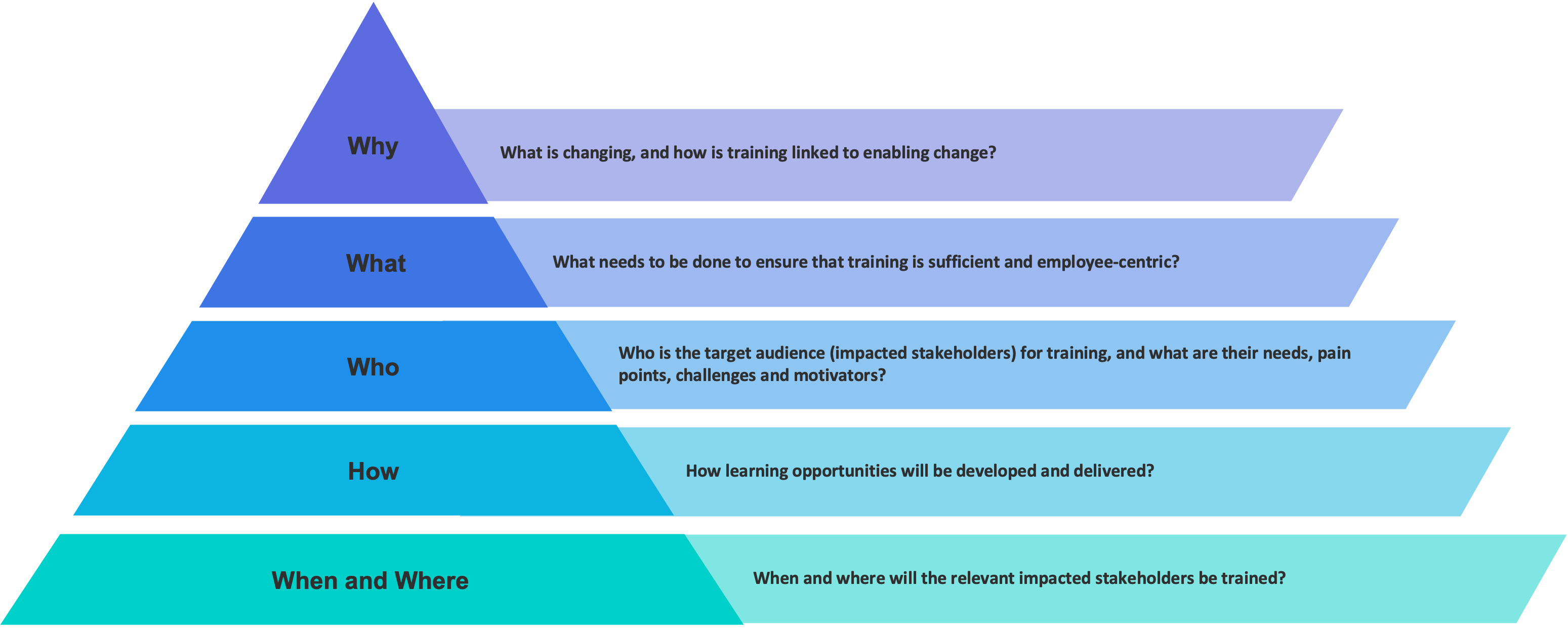
There are five elements to consider when developing an employee-centric integrated training approach.
Why
What was changing, and how was training linked to enabling change?
The main objective of the Human Resources Management Information System (HRMIS) proof of concept project was to test the replacement of core HR, payroll, rostering, and time and attendance systems at WA Health. This would provide a common and aligned foundation that will simplify and improve critical HR operations while improving the employee experience.
Geographic dispersion, cultural diversity, and technological maturity meant we had to give greater consideration to people and change deployment complexities. Therefore, creating the conditions for people to be ready, willing, and able to change was critical to WA Health realising the value of its investment in this exciting transformation journey.
What
What needed to be done to ensure that training was sufficient and employee-centric?
Training Needs Analysis
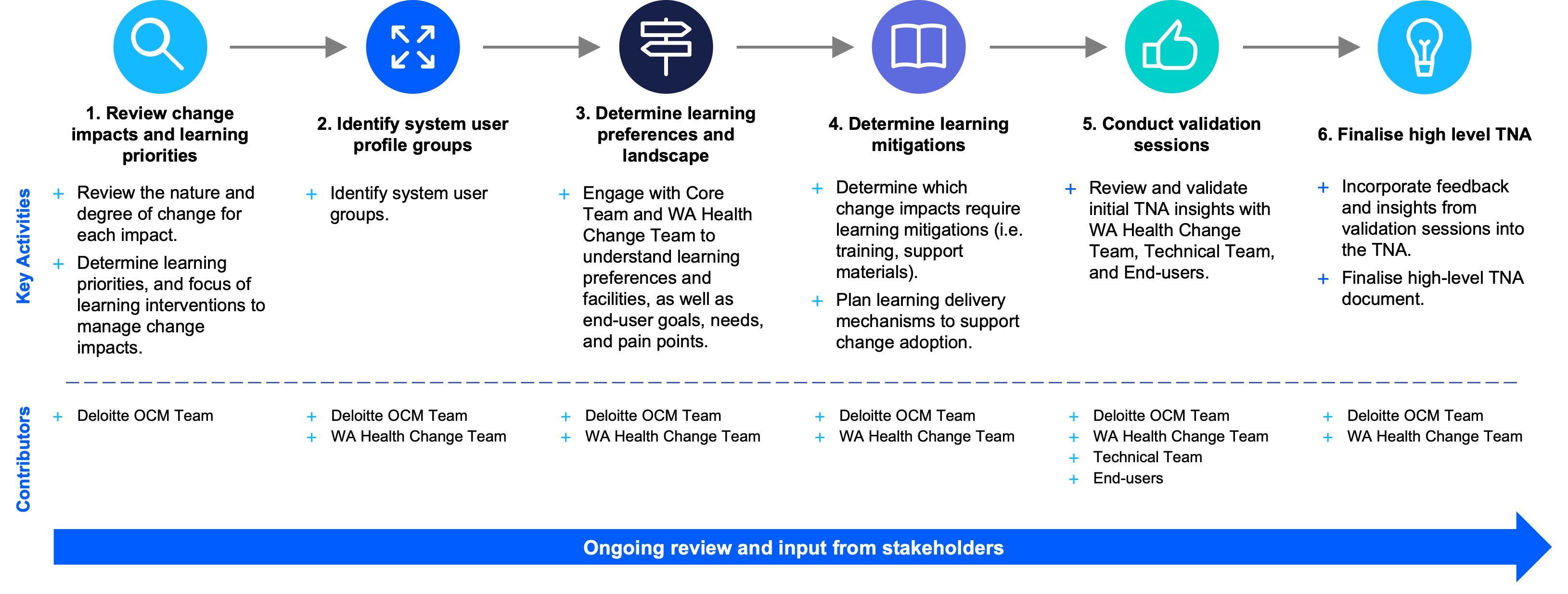
I conducted a Training Needs Analysis (TNA) to help us understand end-user requirements and learning preferences (modalities). The Training Needs Analysis was informed by Change Impact Reports, Stakeholder Analyses and End-user Engagements. Furthermore, it helped us define learning requirements and preferences, gain key stakeholder buy-in for learning and enabled us to develop curricula tailored to different roles and learning needs.
I used a seven-step approach to understand learning content requirements, preferences, and mitigations that best suit impacted stakeholders.
Objectives
Training played a vital role in the success of the proof of concept. Therefore, three key training objectives were defined to support the design and development of training in alignment with the project requirements.
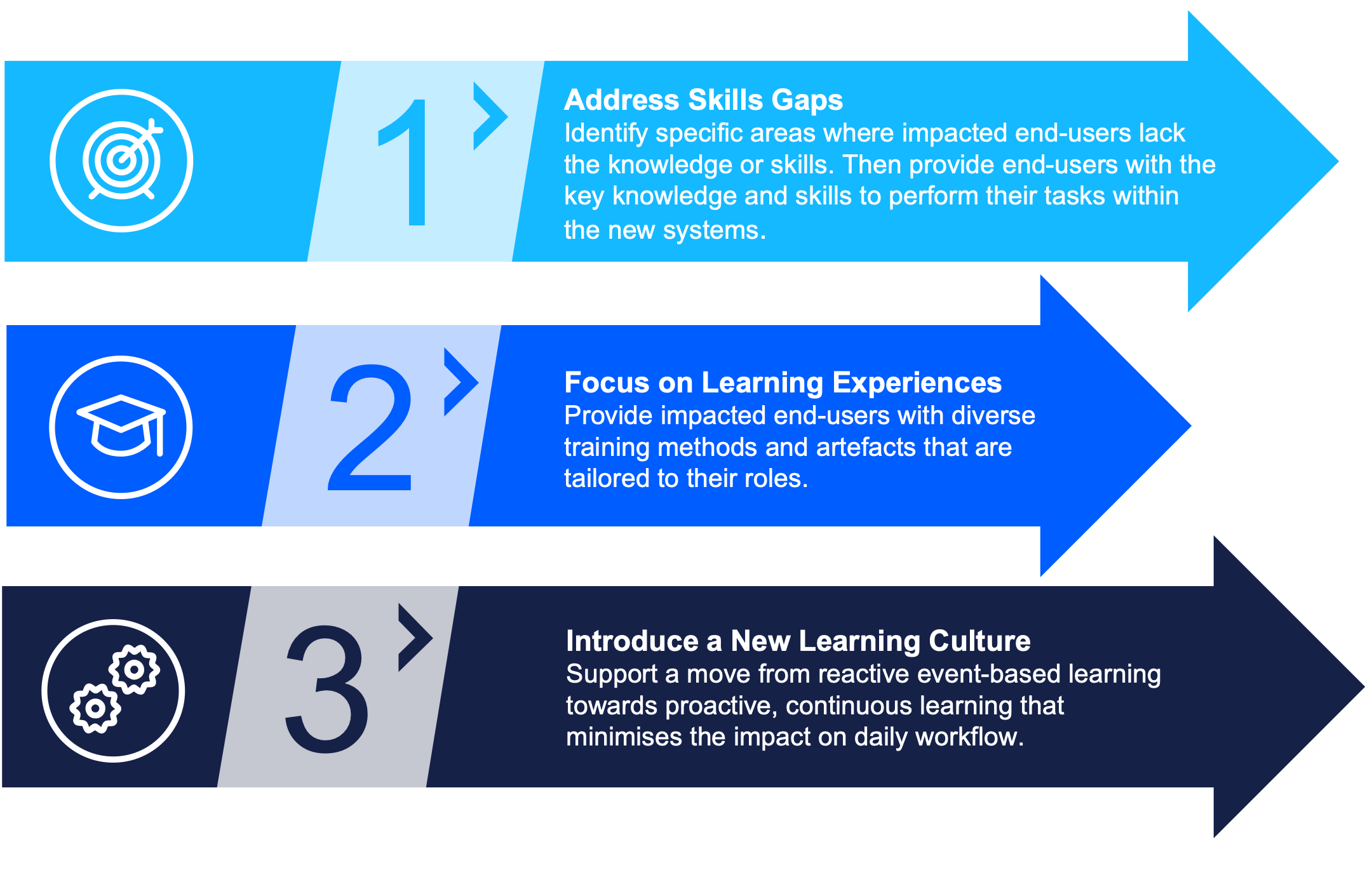
Guiding Principles
I developed the guiding principles for training design and development below to facilitate adult learning and support the alignment of training with WA Health's needs.
These four guiding principles enabled us to shift the learning culture from reactive learning, where training was event-based and driven by necessity, to proactive learning, where learners are driven and self-directed to seek out information. Additionally, this new learning culture introduced more opportunities for active learning as it was learner-centred, and learners were highly involved in when and how they learnt.
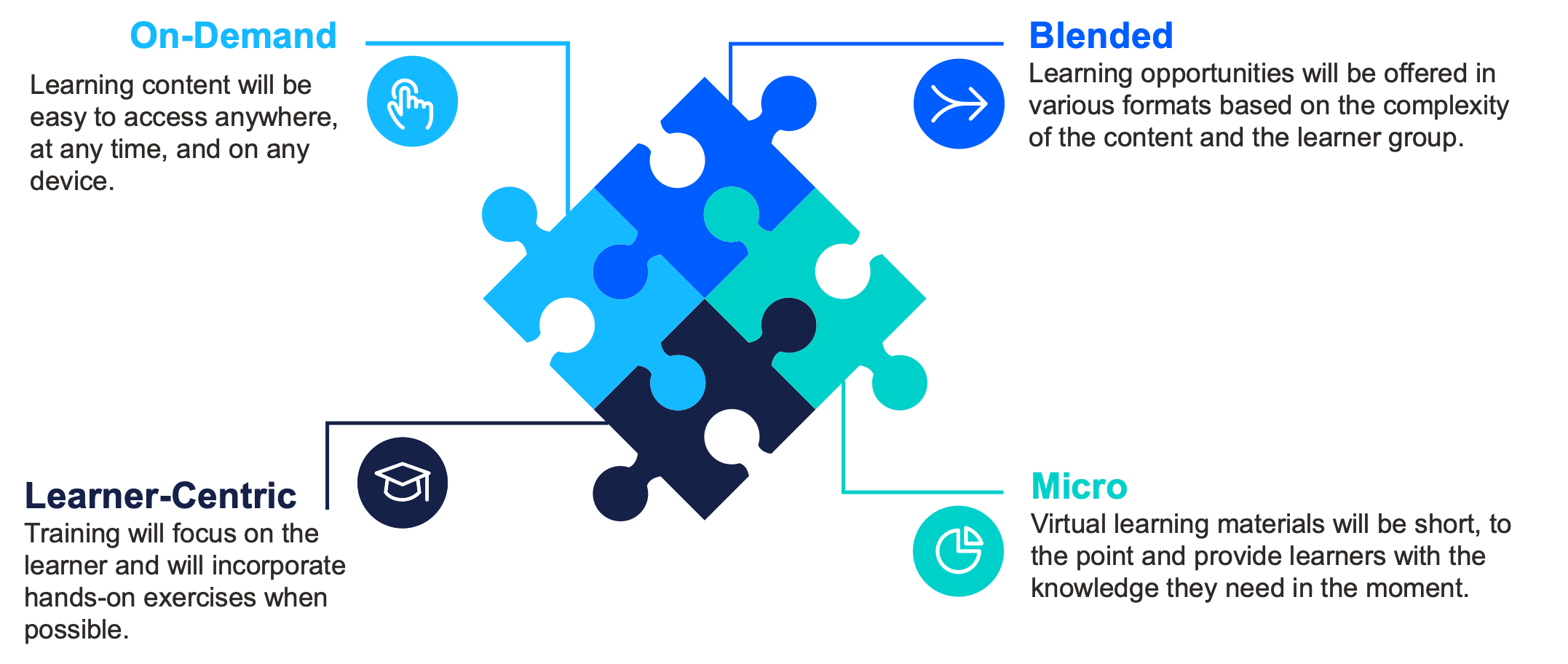
To enable this learning culture shift, we sought to make learning ubiquitous; therefore, allowing learning to occur at multiple touchpoints. This would enable the creation of holistic learning experiences consisting of push, pull and social (peer-to-peer) learning.
I proposed the learning outcomes and delivery methods below, which also covered how we could use push, pull, and social learning.
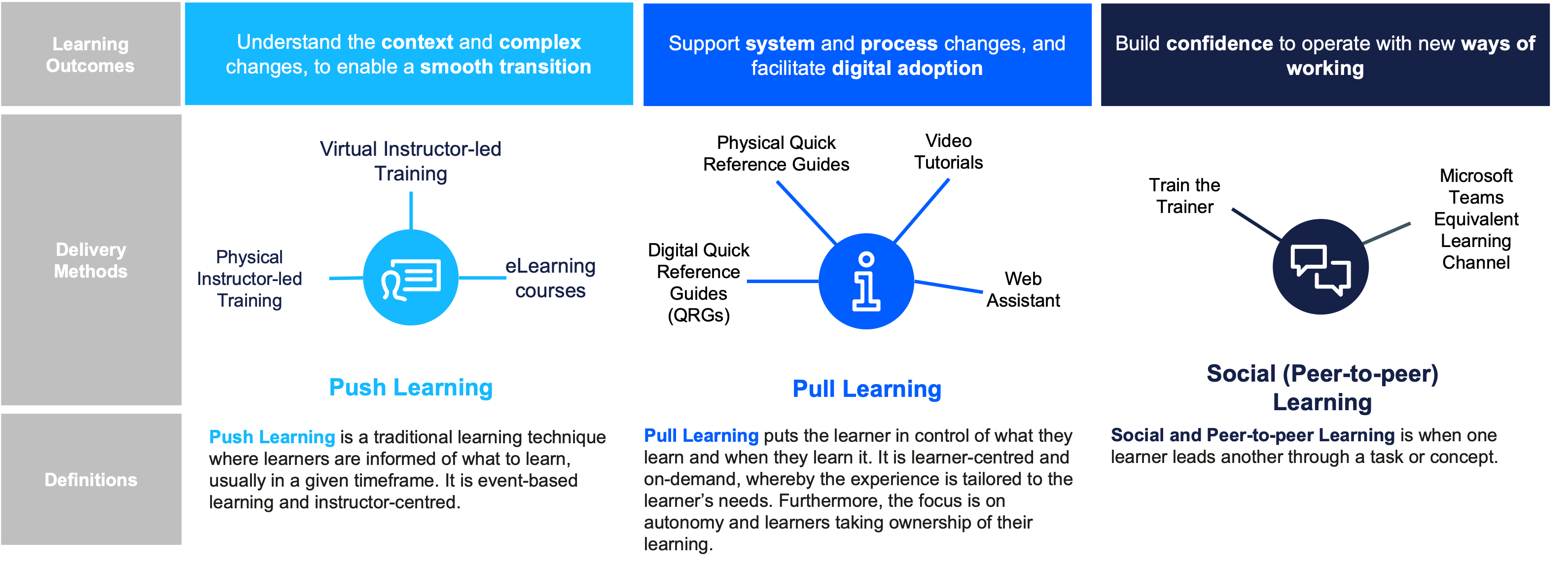
Learning Delivery Methods
My learning delivery methods approach was informed by the nature of the audience, the number of different roles and the geographic distribution of the learners.
Given the number of roles and geographic dispersion of WA Health learners, some delivery methods were more effective than others in supporting learning:
- Traditional Learning allowed employees to access conventional learning such as instructor-led training.
- Virtual Learning allowed any employee from across Western Australia to access learning (e.g., eLearning courses, virtual instructor-led training, quick reference guides (QRGs) posted on a shared digital repository, etc.)
- On-demand Learning allowed employees to access learning in the flow of work, such as when they encounter a task they are unfamiliar with (e.g., recorded video tutorials, web assistants and QRGs (physical and digital) posted on a shared digital repository, etc.)
- Social and Peer-to-Peer Learning allowed employees to have a place (a shared forum on Microsoft Teams) where they can ask questions and get answers from within the organisation to promote a social culture of collaborative learning.
Who
Who was the target audience (impacted stakeholders/end-users) for training, and what were their needs, pain points, challenges and motivators?
User Research
In addition to the user research covered in the Training Needs Analysis, we:
- collaborated with the WA Health Change Team to conduct end-user interviews;
- conducted empathy mapping and journey mapping workshop sessions with end-users and;
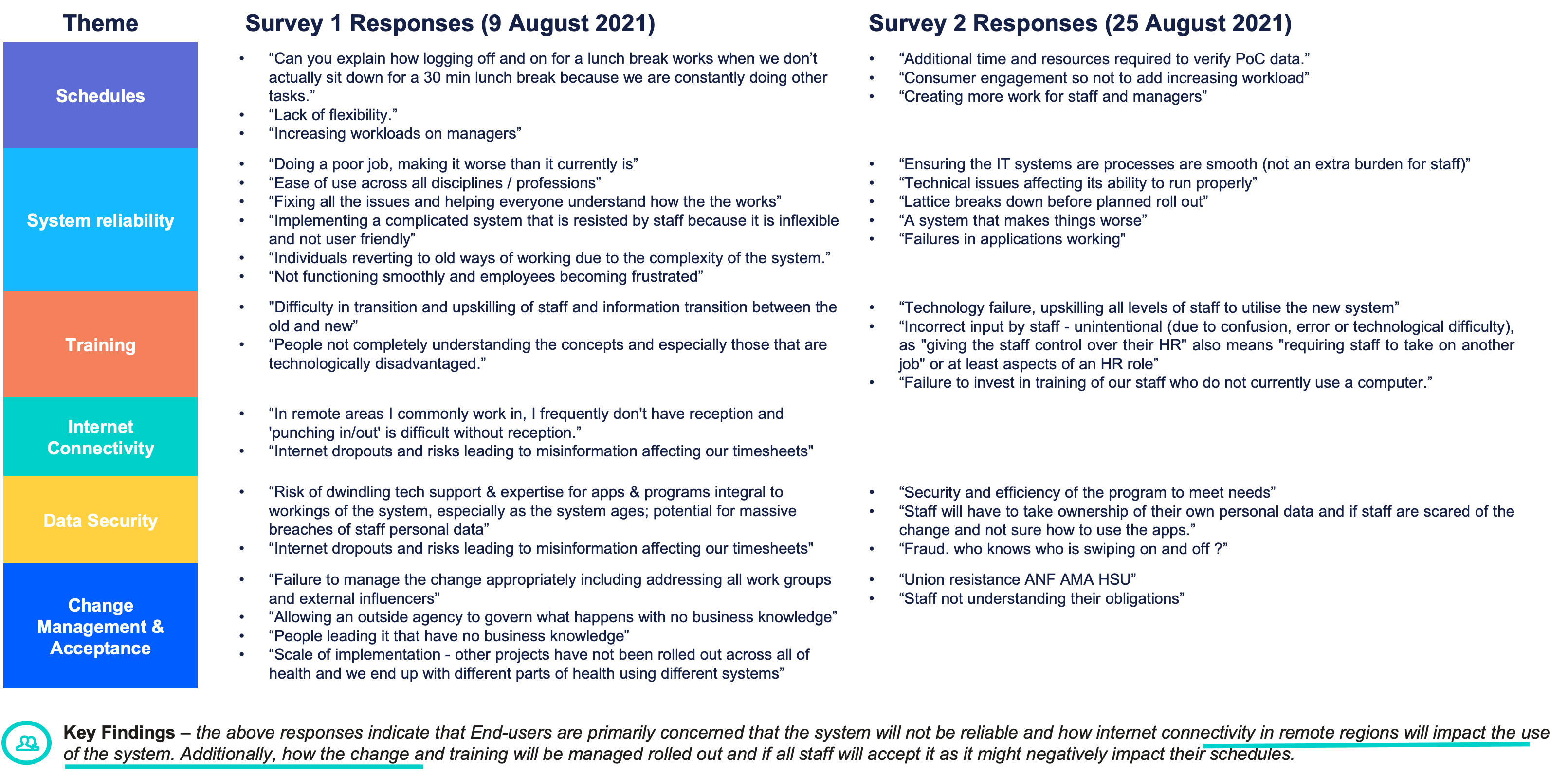
- sent out two Alchymy® AdapterGuage® surveys to collect quantitative and qualitative data. Based on the insights from the initial interviews, we used a deductive research approach. Then, using a dynamic research approach, I themed the qualitative data and combined it with the quantitative data to find insights and to deeper understand the WA Health landscape and employees.
Personas
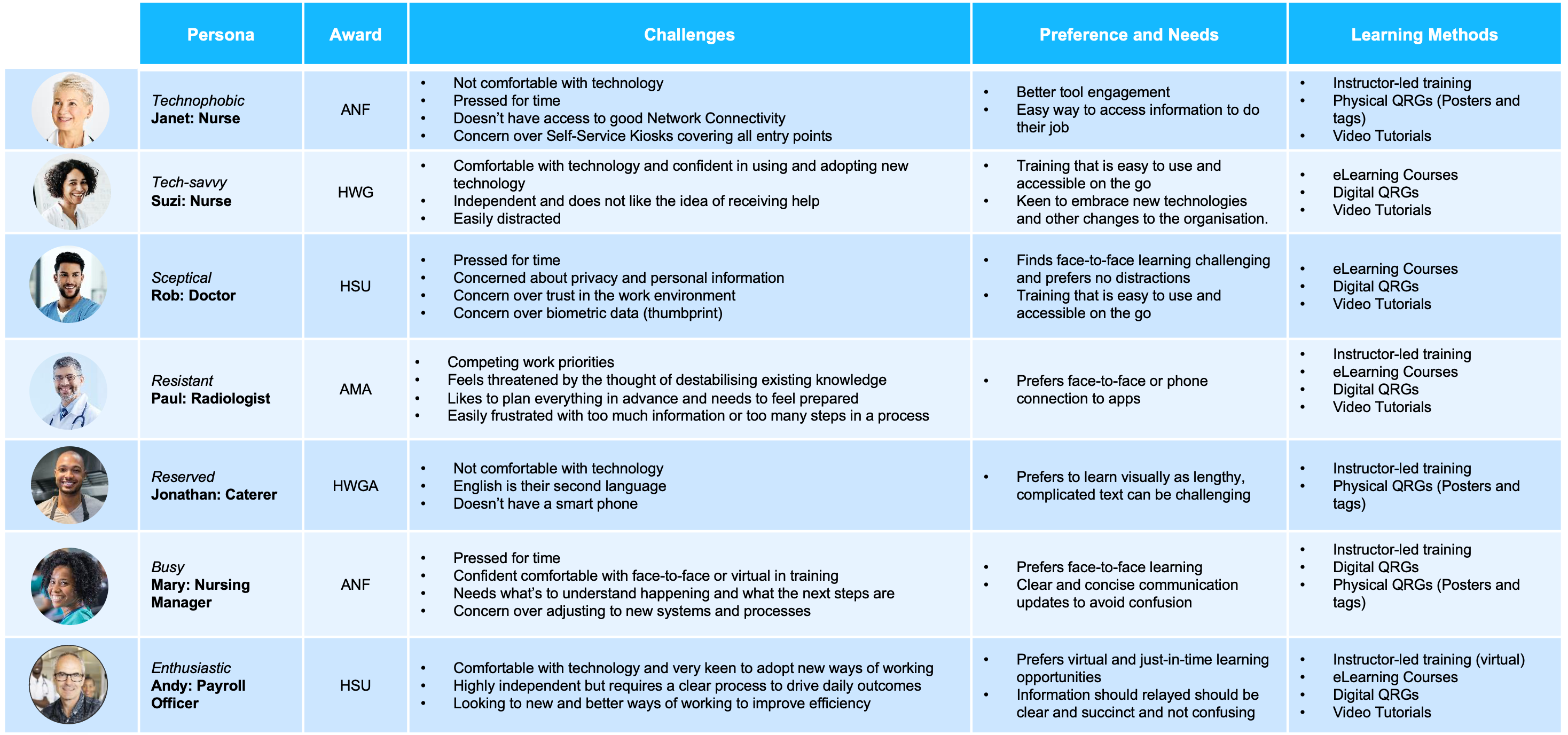
Based on our user research, I developed the seven personas summarised below. These personas helped foster an employee-centric mindset when addressing the broader WA Health organisation and its leadership. They were used for all stakeholder engagement, communication, learning and training activities.
Using these personas enabled the project team to focus on serving employee needs in an empathetic and targeted way by bringing the employees' voices into the decision-making process. Plus, by stepping into the employees' shoes and speaking from their perspective, the project team developed an approach that better appreciates the scope and complexity of change.
How
How was learning developed and delivered?
Learning Delivery Methods
We had limited time and resources during the Human Resources Management Information System (HRMIS) proof of concept project; therefore, we could only deliver a subset of learning delivery methods outlined below. However, the broader plan I developed is currently being used to fully implement the Human Resources Management Information System (HRMIS).
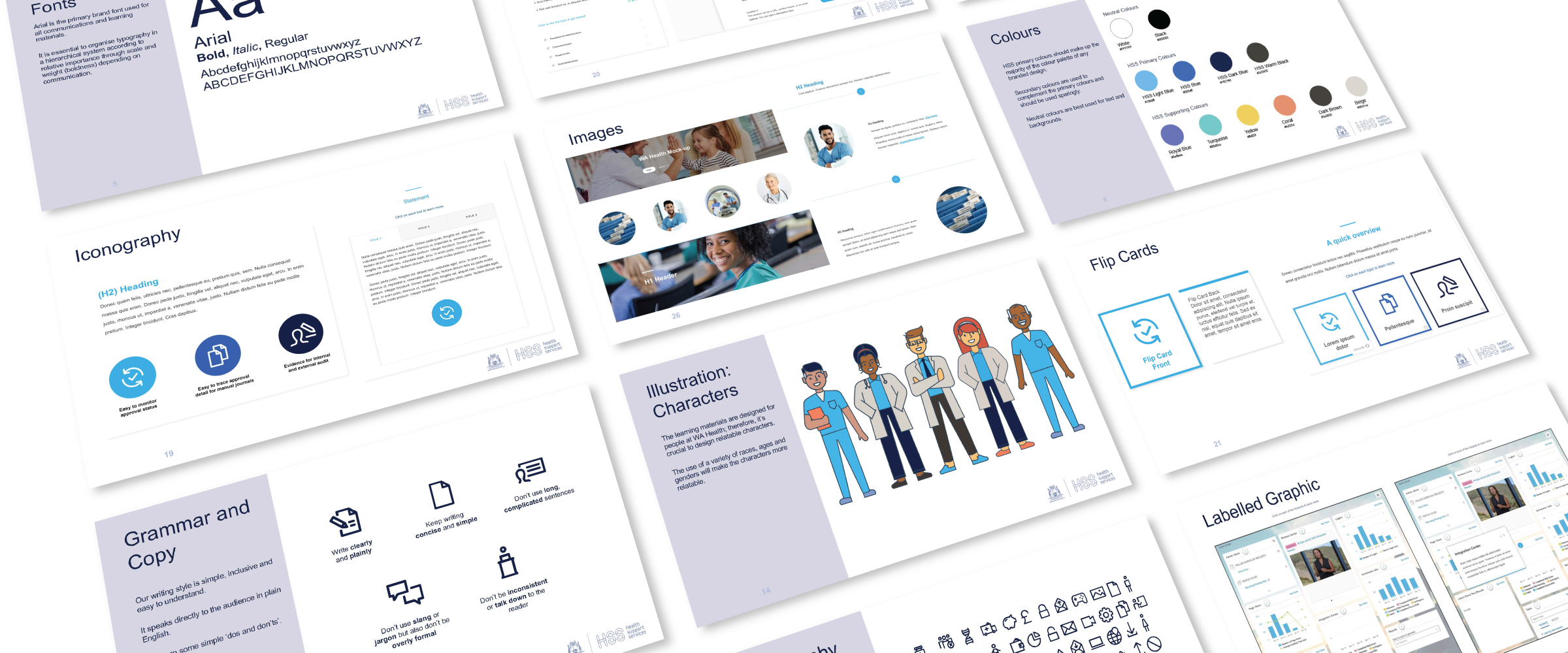
Design System: For a programme of this size, I recognised the need to incorporate design systems and agile production methods to create learning materials at a pace and scale that an undertaking of its size requires.
This enabled us to:
- create a consistent and easily recognisable design language for all learning artefacts;
- create a guide for all designers and content creators to save time and resources, providing a ‘blueprint’ for all designs;
- create a broad suite of consistent, distinctive and engaging digital assets;
- set a new standard for future learning and engagements.
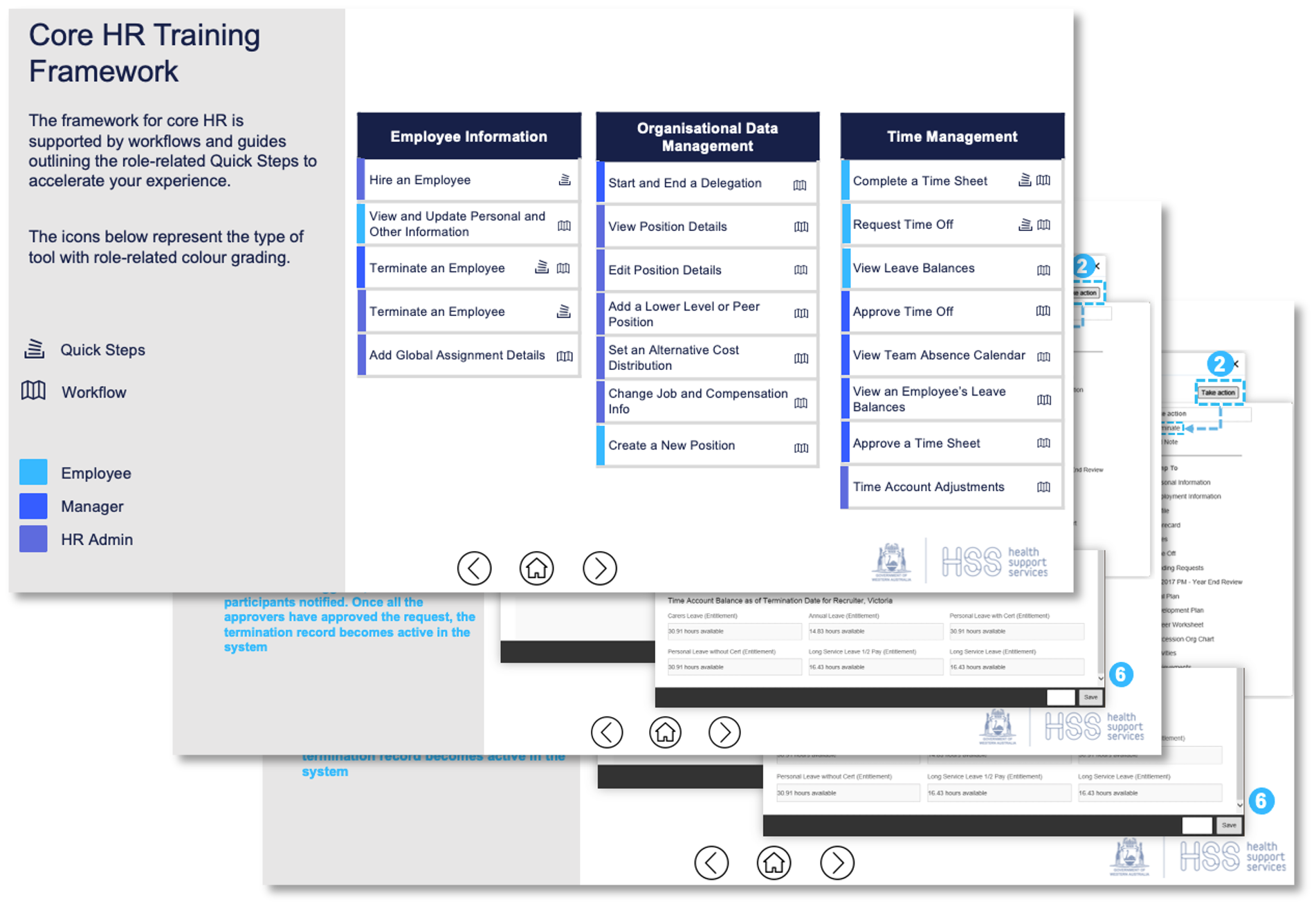
Traditional Learning: physical and virtual instructor-led training sessions led by a Technical Team Subject Matter Expert.
Virtual Learning: two eLearning courses, two quick-reference guides and virtual instructor-led training.
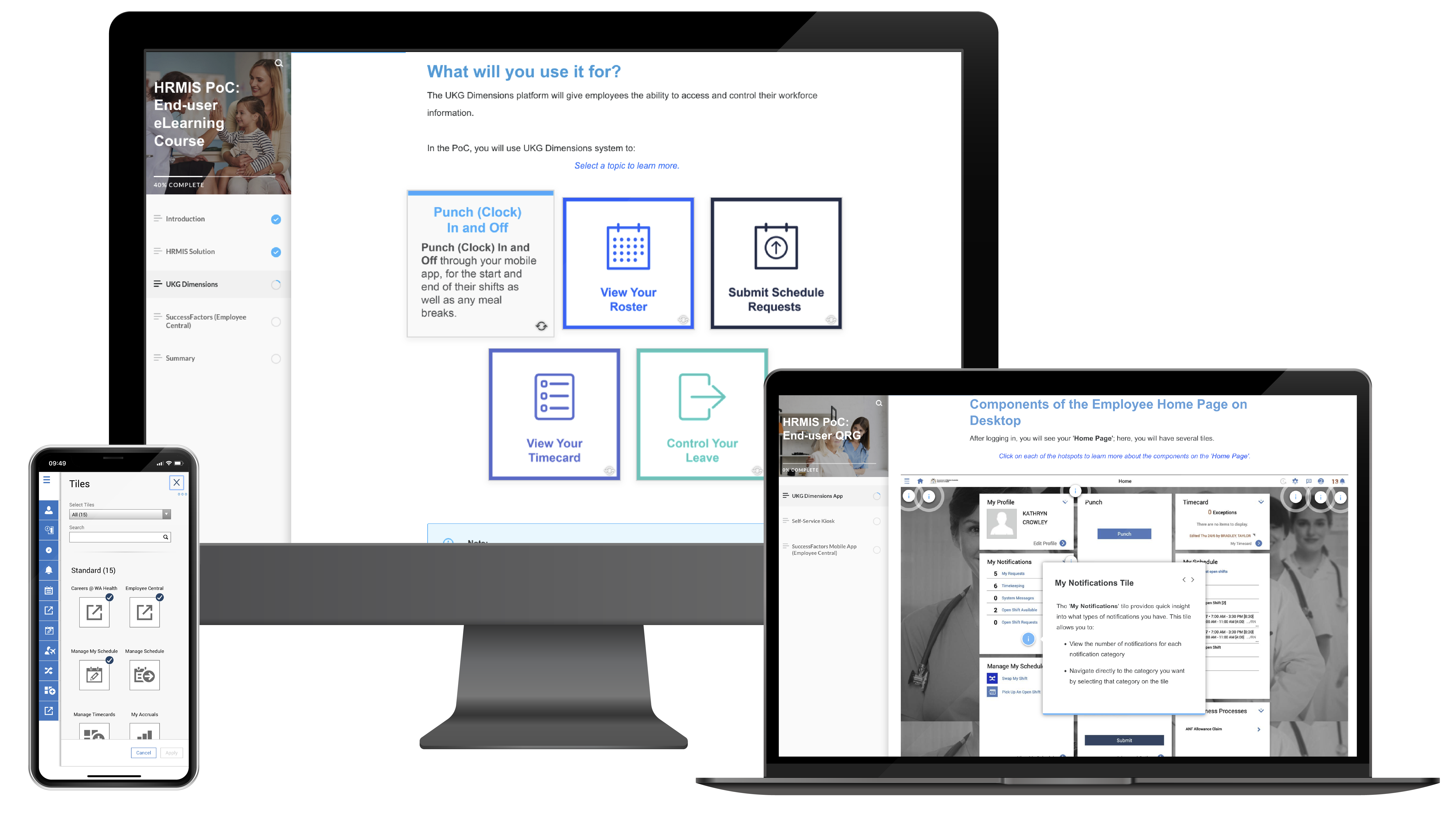
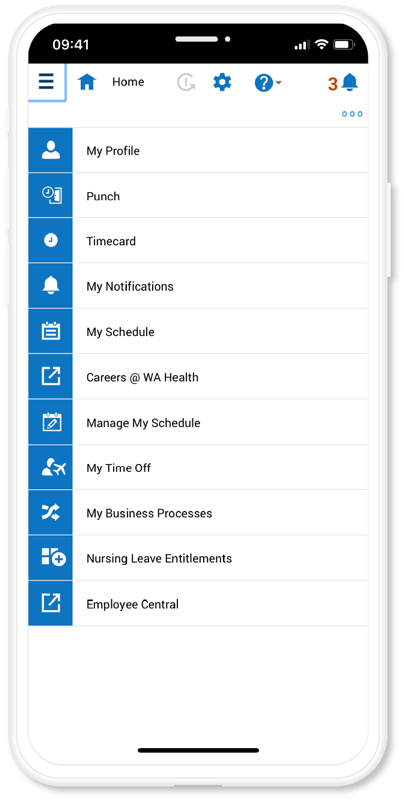
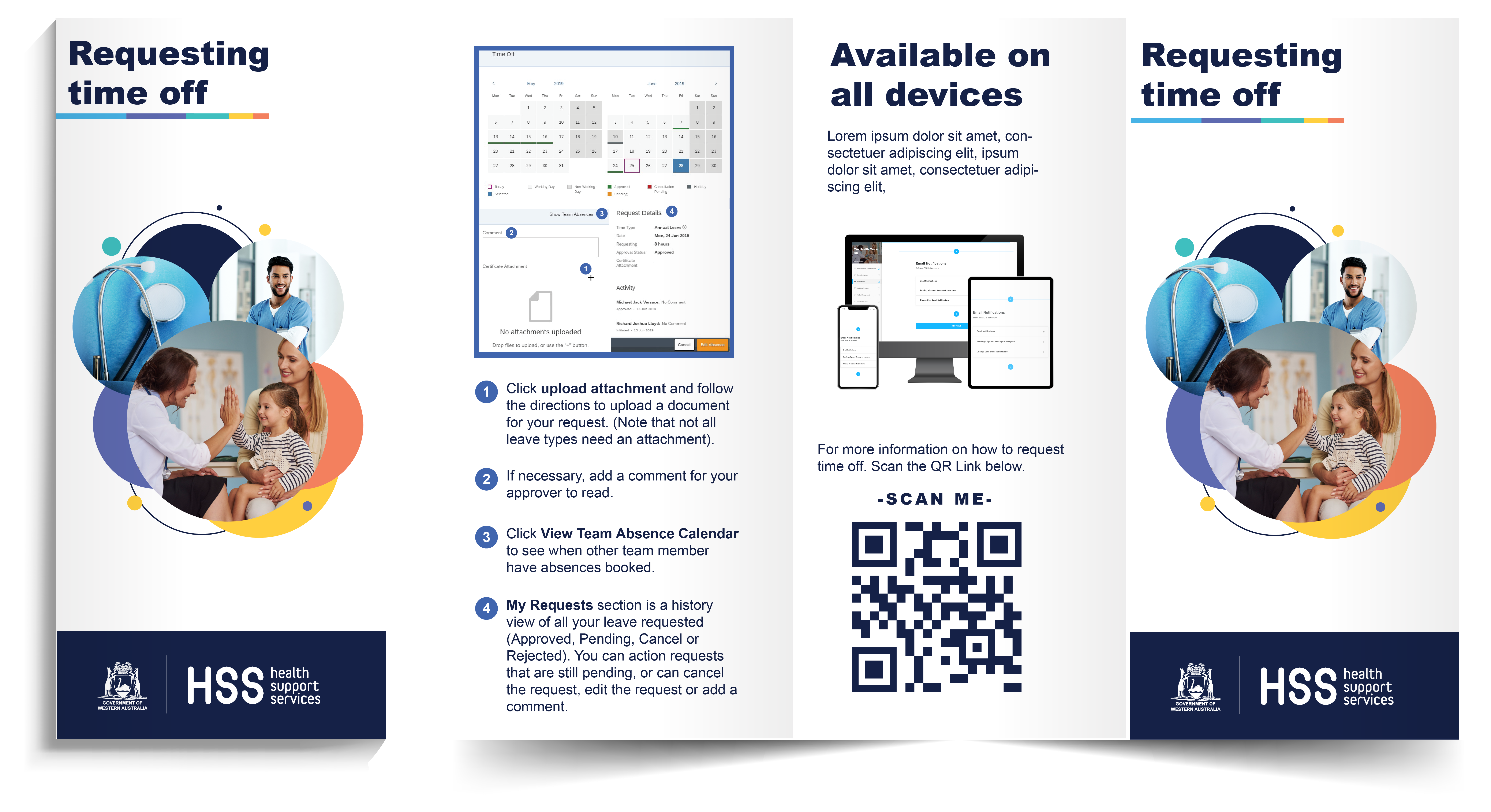
On-demand Learning: 54 bite-sided video tutorials, two digital QRGs and two physical QRGs (brochures).
End-user Learning Journeys
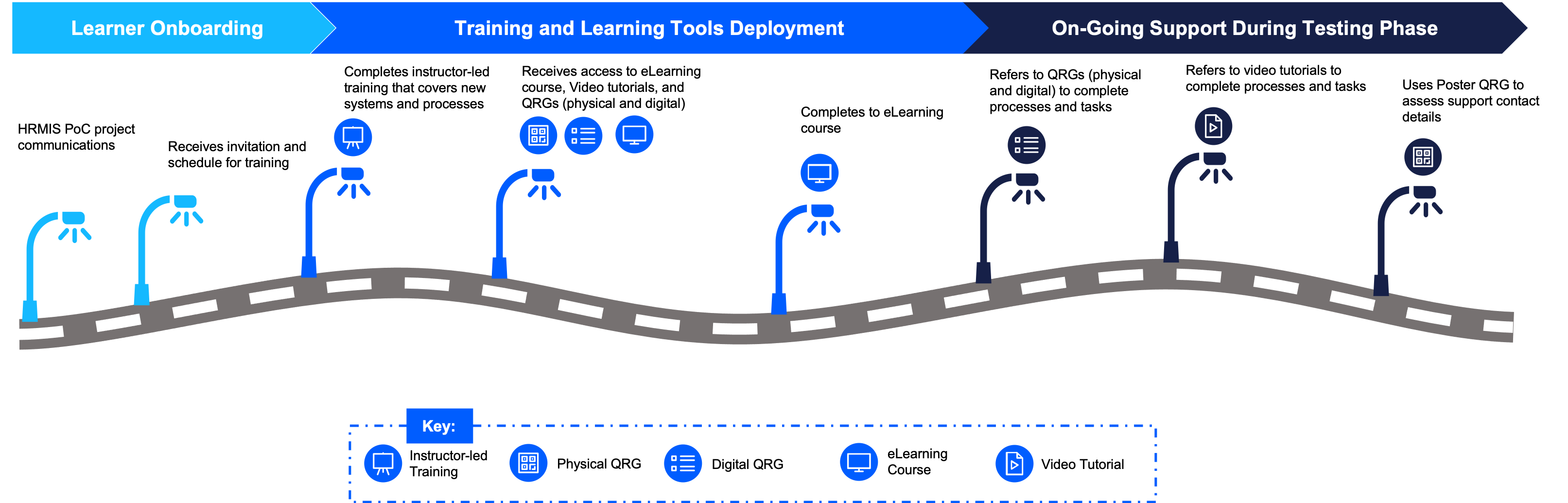
Although the project only used a subset of the learning delivery methods, it allowed us to test our proposed learning culture that allows learning to occur at multiple touchpoints. Furthermore, it enabled us to create a holistic learning experience consisting of push and pull learning.
Below is a sample end-user learner journey I developed and tested during the proof of concept project.
Outcome
I devised the holistic employee experience strategy, and the lessons learnt from testing and validating it are currently being used as a blueprint to inform the full implementation of the Human Resource Management Information System.
The Human Resource Management Information System Proof of Concept was an $8,5 million project, and the full implementation, which kicked off in February 2022, will generate the firm $166.5 million.
Revenue Generated
~$170 million
Mandla Shonhiwa
© 2025 All rights reserved.