Woodside
Description
A gamified learning experience for Woodside Maintenance Function.
Creating a data-driven change management product equips organisations to lead internal large-scale transformation programs.
Creating a data-driven change management product equips organisations to lead internal large-scale transformation programs.
Creating a data-driven change management product equips organisations to lead internal large-scale transformation programs.
Creating a data-driven change management product equips organisations to lead internal large-scale transformation programs.
Timescale
Project Duration
2 months (2019)
Skills
Areas
Product Design
Motion Design
Service Design
Experience Design
Project Overview
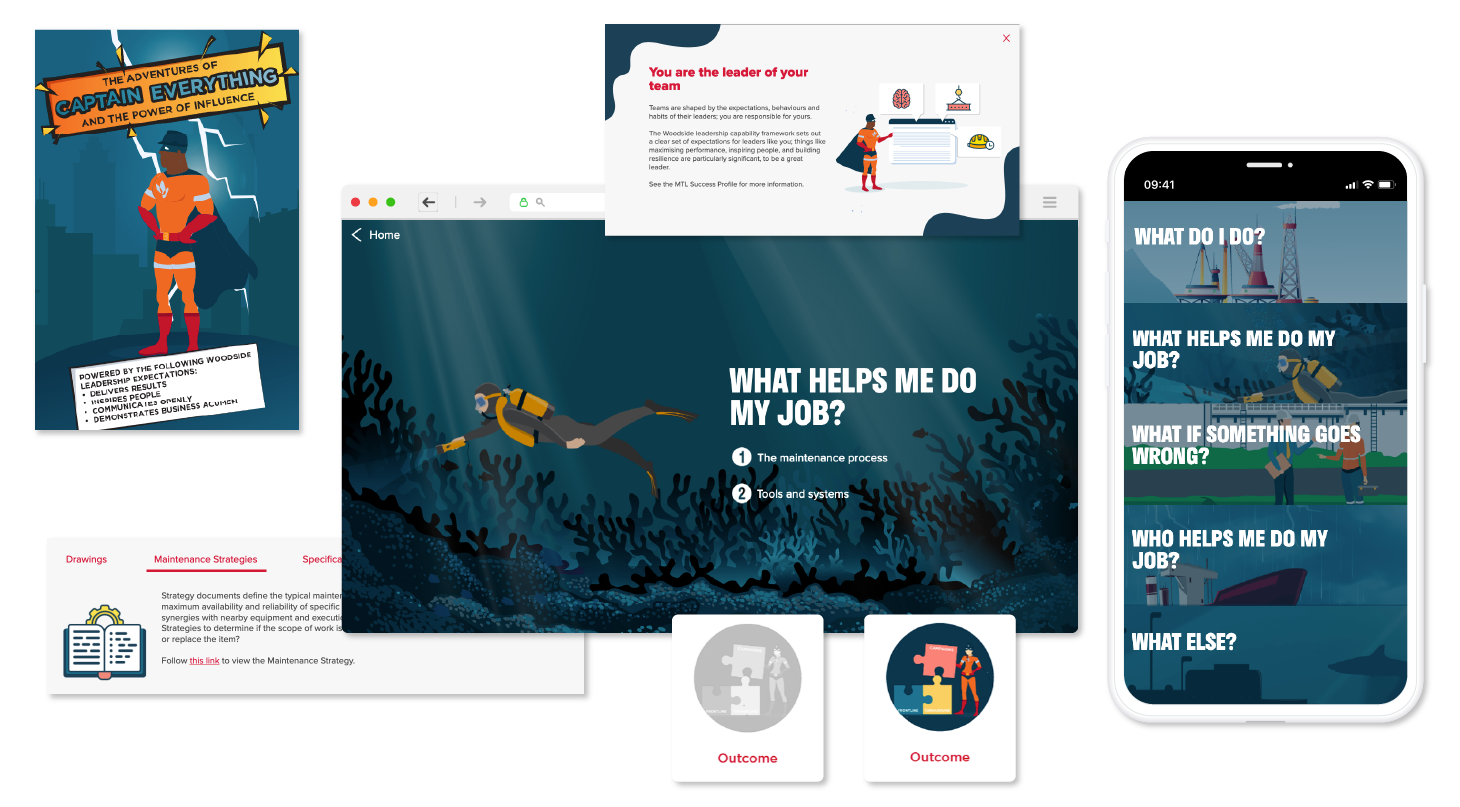
Woodside wanted to develop an integrated maintenance and materials management competency and training package. As part of this, they sought to create learning experiences for their Resource Estimator (RE) role and a new role, Maintenance Team Leader (MTL).
My Role
As the Product Design Lead, I was responsible for project management as well as all the product and learning design deliverables such as graphics, information architecture, storyboards, prototypes, animations and final learning platform. This role included managing the Design Team as well as collaborating with the Management Consultants and Deloitte Business Executives.
The team consisted of a Learning Experience Designer, a Motion Designer, two Management Consultants and a Subject Matter Expert.
Challenge
Woodside’s highly technical and time-pressed workforce scrambled through poorly mapped repositories of plans and schematics to get their work done. As a result, their workflow was a trap of bottlenecks with mistakes and rework. Furthermore, learning paths for each role were unclear and difficult to follow, resulting in a lack of understanding of the competency requirements to excel in a current role and support planning for future roles.
Solution
Our goal was to enable the Resource Estimator and Maintenance Team Leaders to effectively upskill in their roles through tailored, fit-for-purpose learning pathways that were user-driven, fully accessible, and gamified. These learning experiences were more than a point in time; the learning journeys were created as a constant companion to the employee workflow. The custom learning experience packages included interactive SVG animations, 2D games, graphics novels, and motion graphic videos.
Impact
The Learning Journey, delivered for one role, was then adapted and expanded to other roles within the Maintenance Function of the organisation.
Discover
During our discovery (user research) phase, we engaged various stakeholders in the organisation's Maintenance and Production functions to define the context and understand the learning environment.
The three key methods of engagement were focus groups, interviews and workshops.

Define
During this phase of our design process, we were able to see a problem from different angles. This enabled us to reframe the problem as these engagements led us to new insights. For example, we found out that 93% of Resource Estimators are contractors; job readiness for Resource Estimators takes approximately 6 weeks; and onboarding outside Woodside’s environment means a significant lag time. As a result, we came up with solutions for these issues; for example, starting to upskill Resource Estimators as soon as they are identified as well as approaching learning as a continuous experience that takes place in the context and flow of the job.
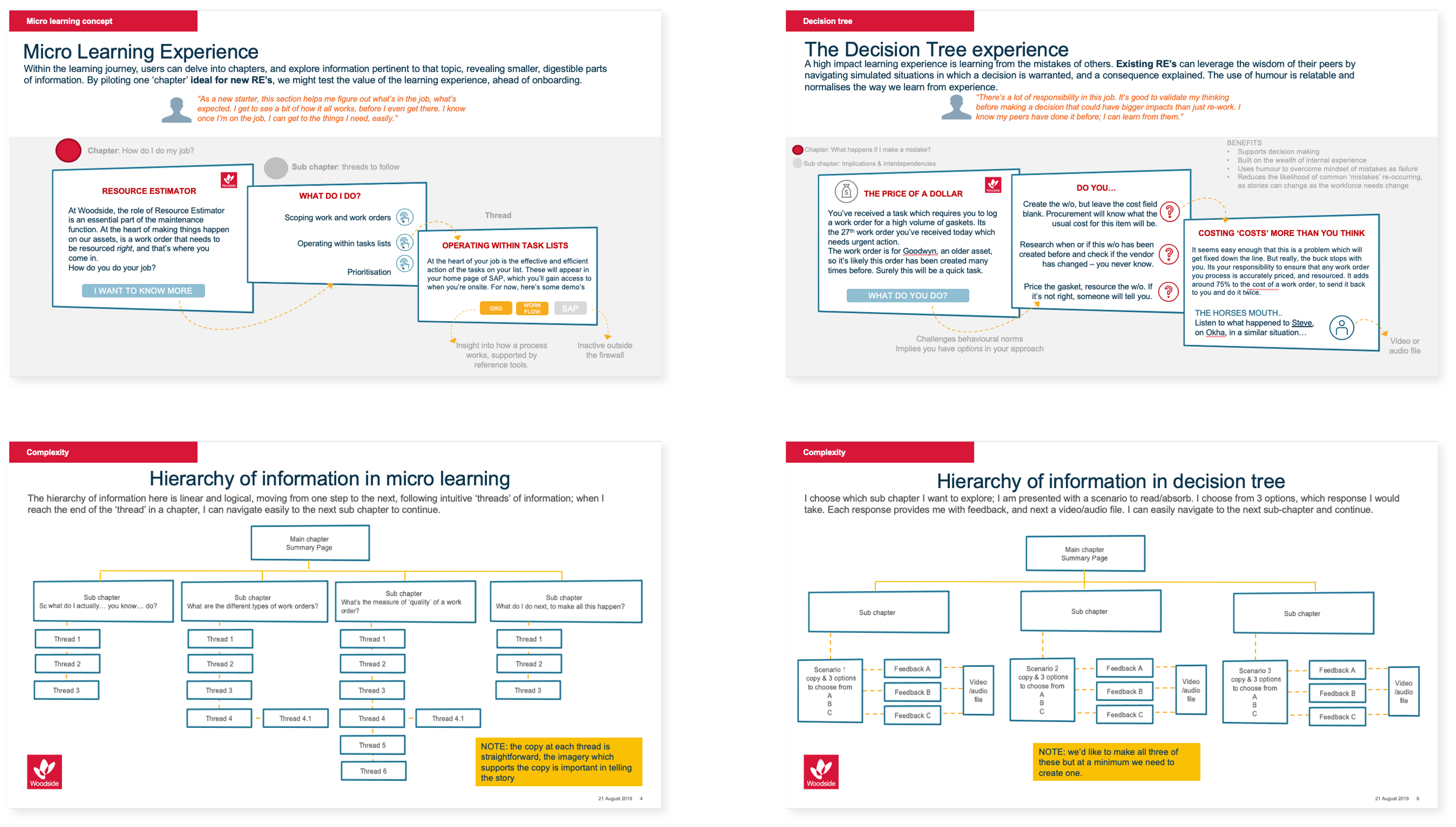
With this knowledge, we were able to draft and test two pilot learning experience options for the Resource Estimator role.
- Microlearning: content is broken up into bite-sized chunks
- Decision Tree: learning from the mistakes of others
Design Principles & Design System
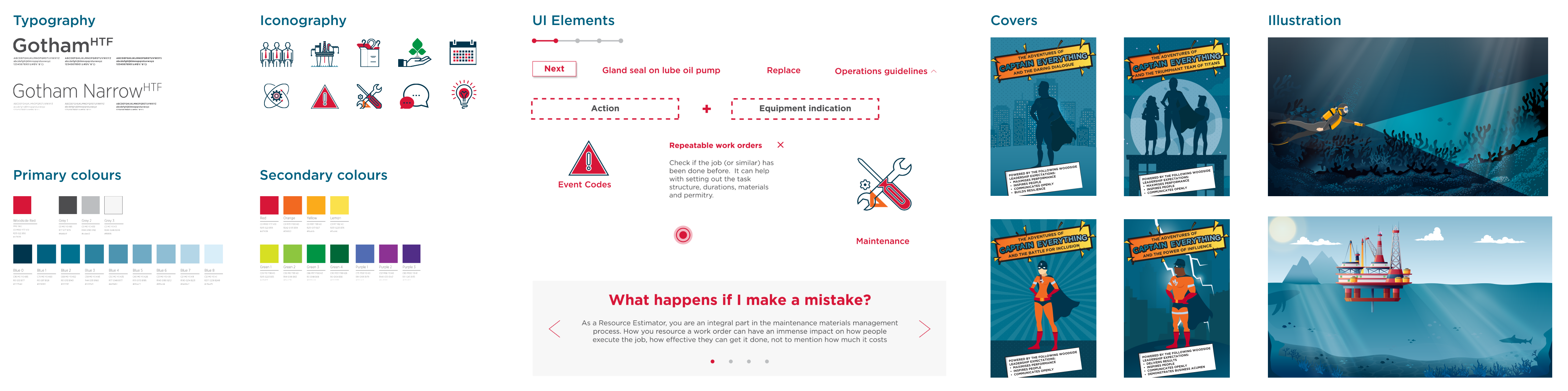
Once we had defined the problem, we started working on concepts that would help us solve it. We developed design principles that would help guide the review and delivery of the learning experiences.

We then used these design principles to create a design system that governs how elements look, feel, and move, enabling faster development and consistency.
Develop
I lead the design team in incorporating SVG animations into our solution. I decided to use SVG animation technology instead of flash or GIFs because SVG animations are small, making them load faster; furthermore, they don’t pixelate or require a plugin to run.
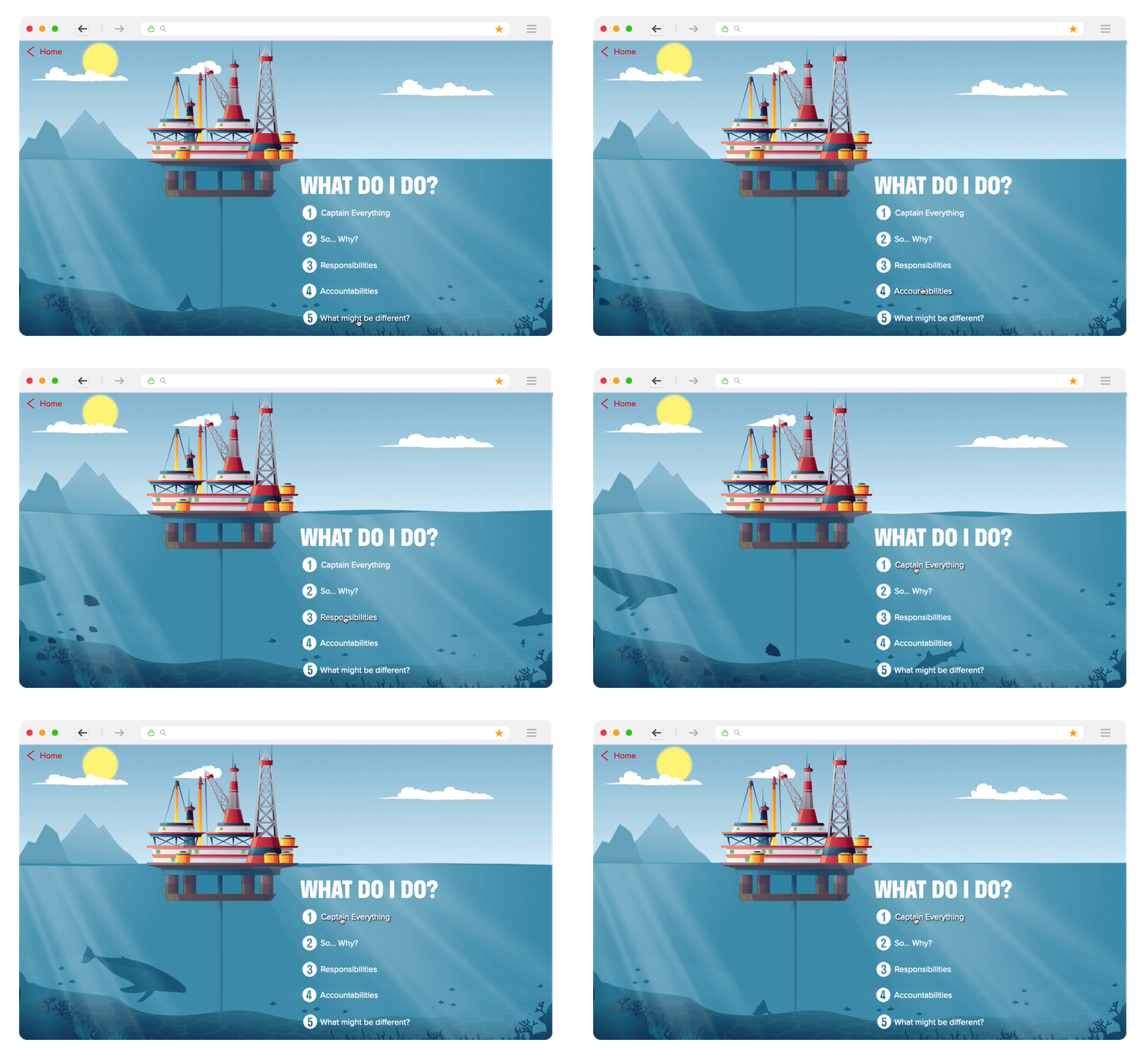
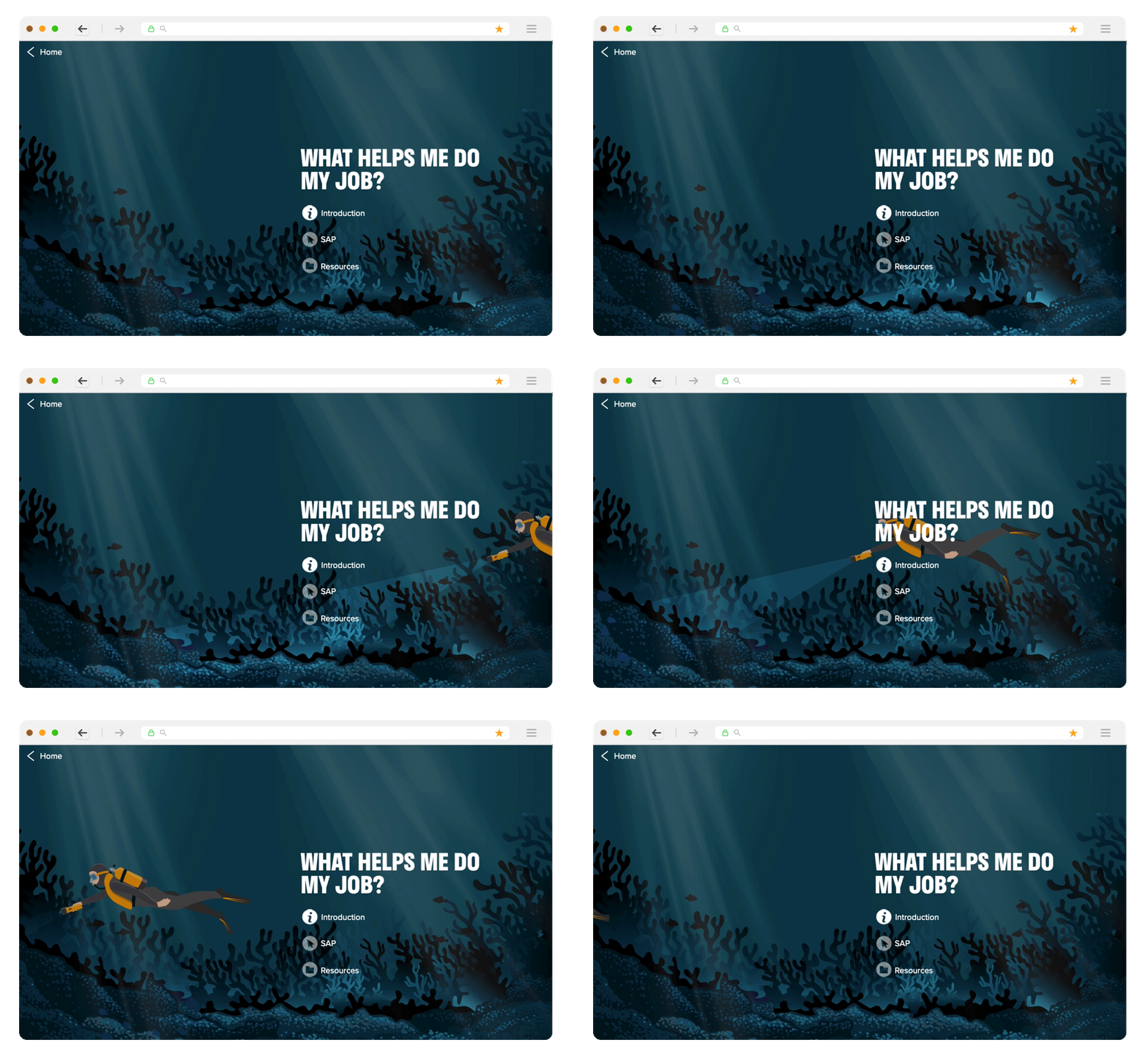
Most of the references and ideas that emerged from our user research and ideation phases suggested that users would enjoy a platform that incorporates online games and storytelling. Animation helped us give the course a friendly and playful personality that complemented these references. Each animation in the course told a micro-story, and as users encountered more animations, these micro-stories added up to reveal the bigger picture.
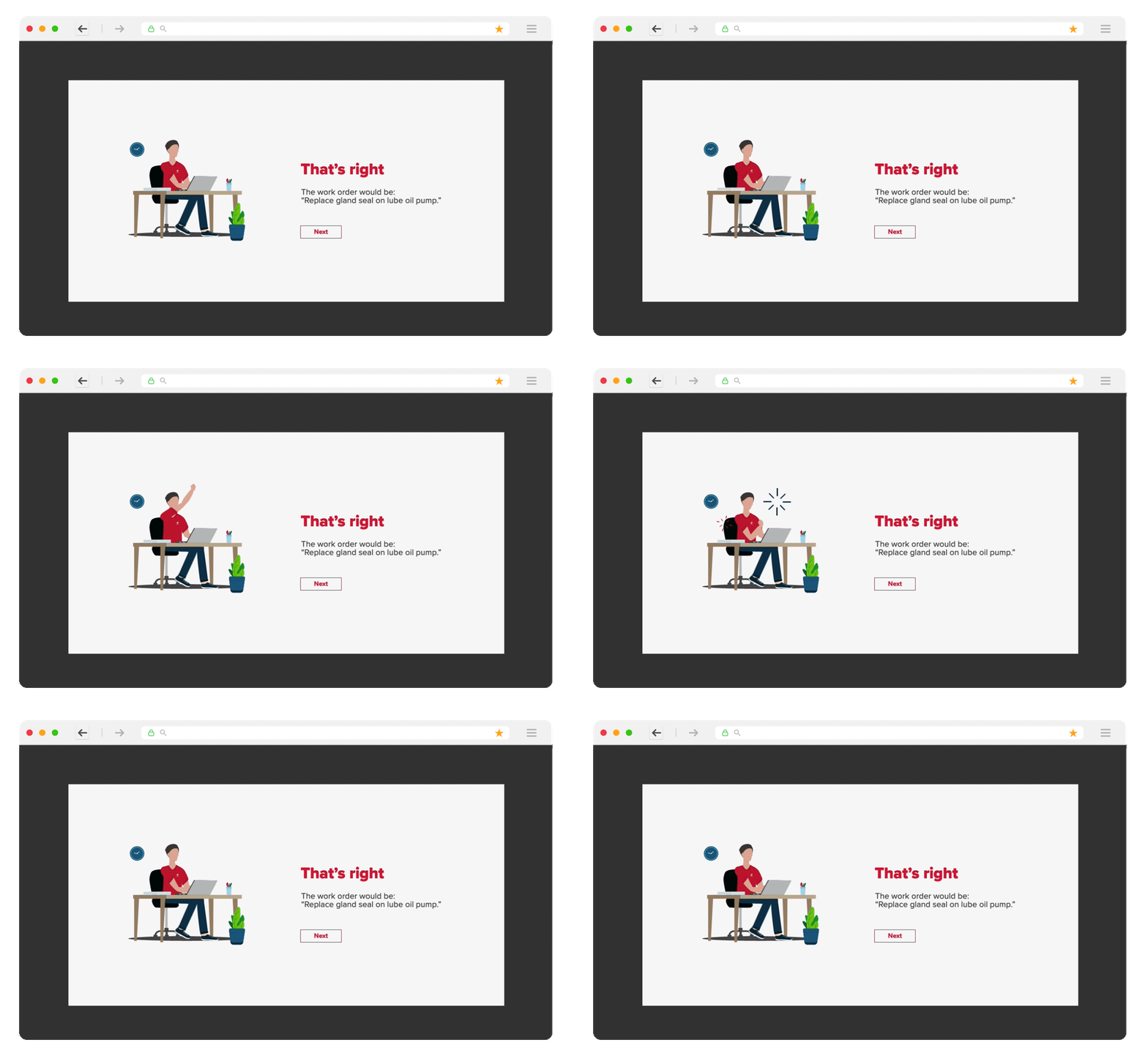
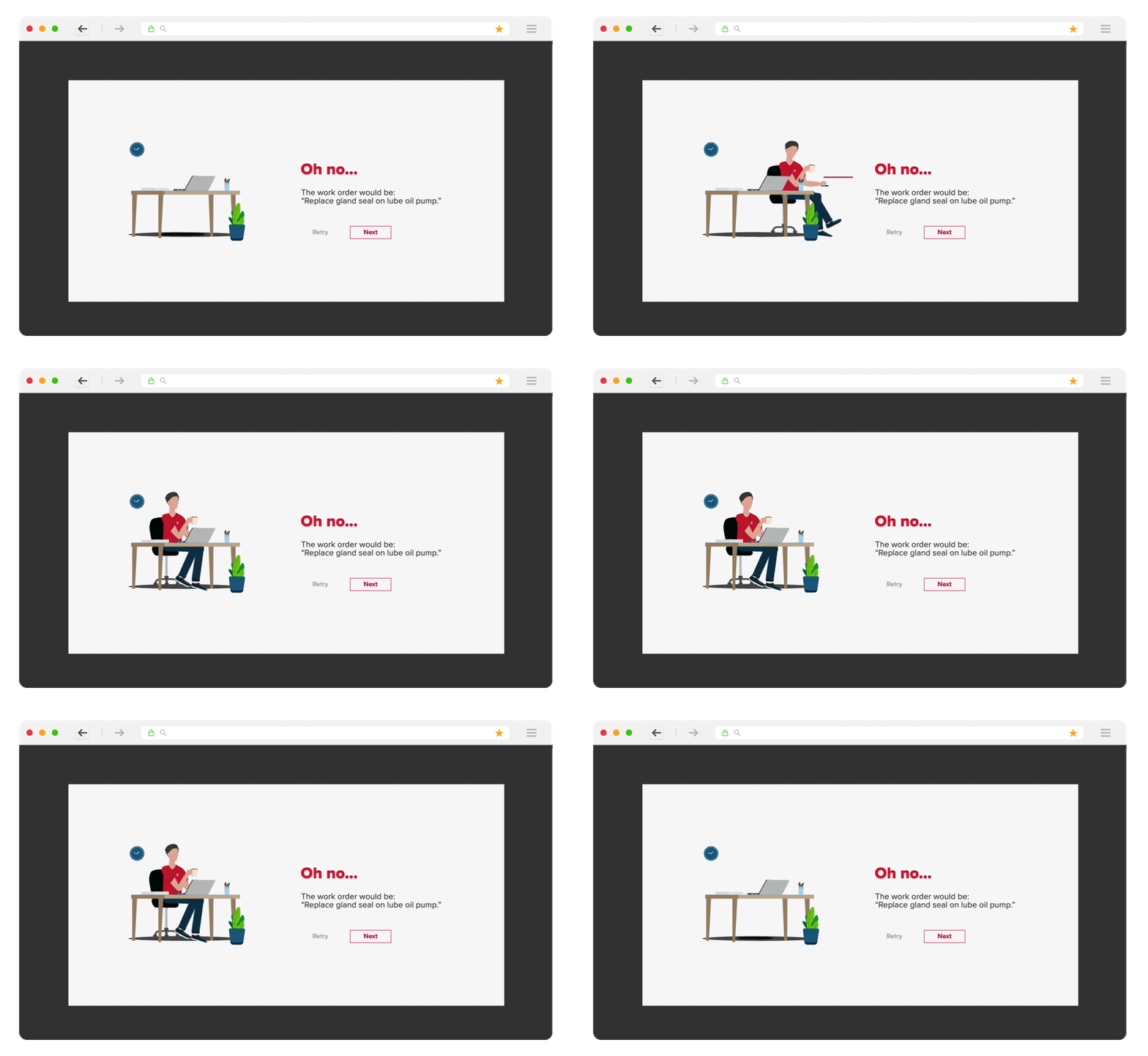
Motion eliminates the burden of filling in the gaps between action and result. Instead of just having a pop-up tell learners their answer was wrong, we created playful/comedic animations.
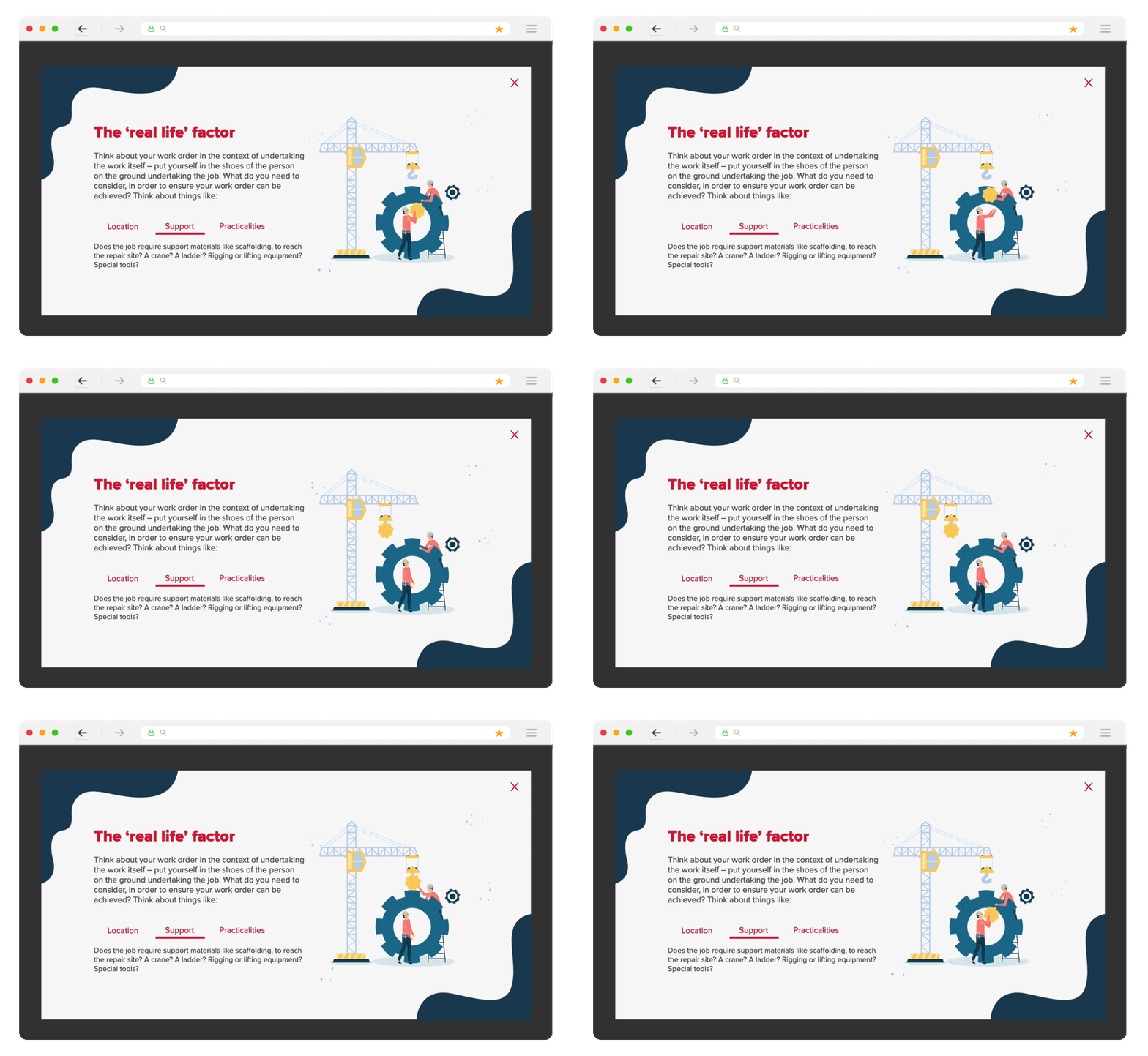
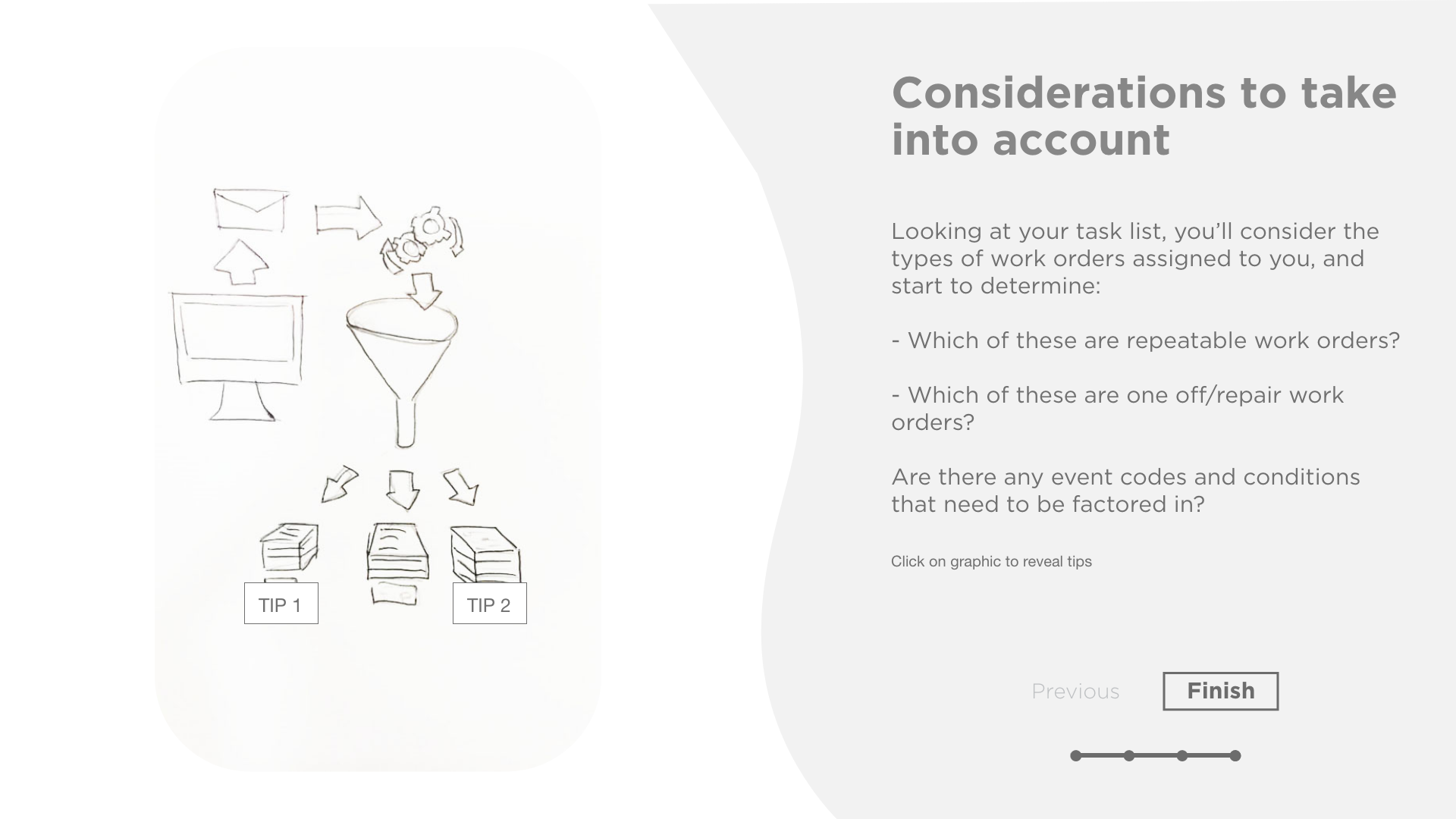
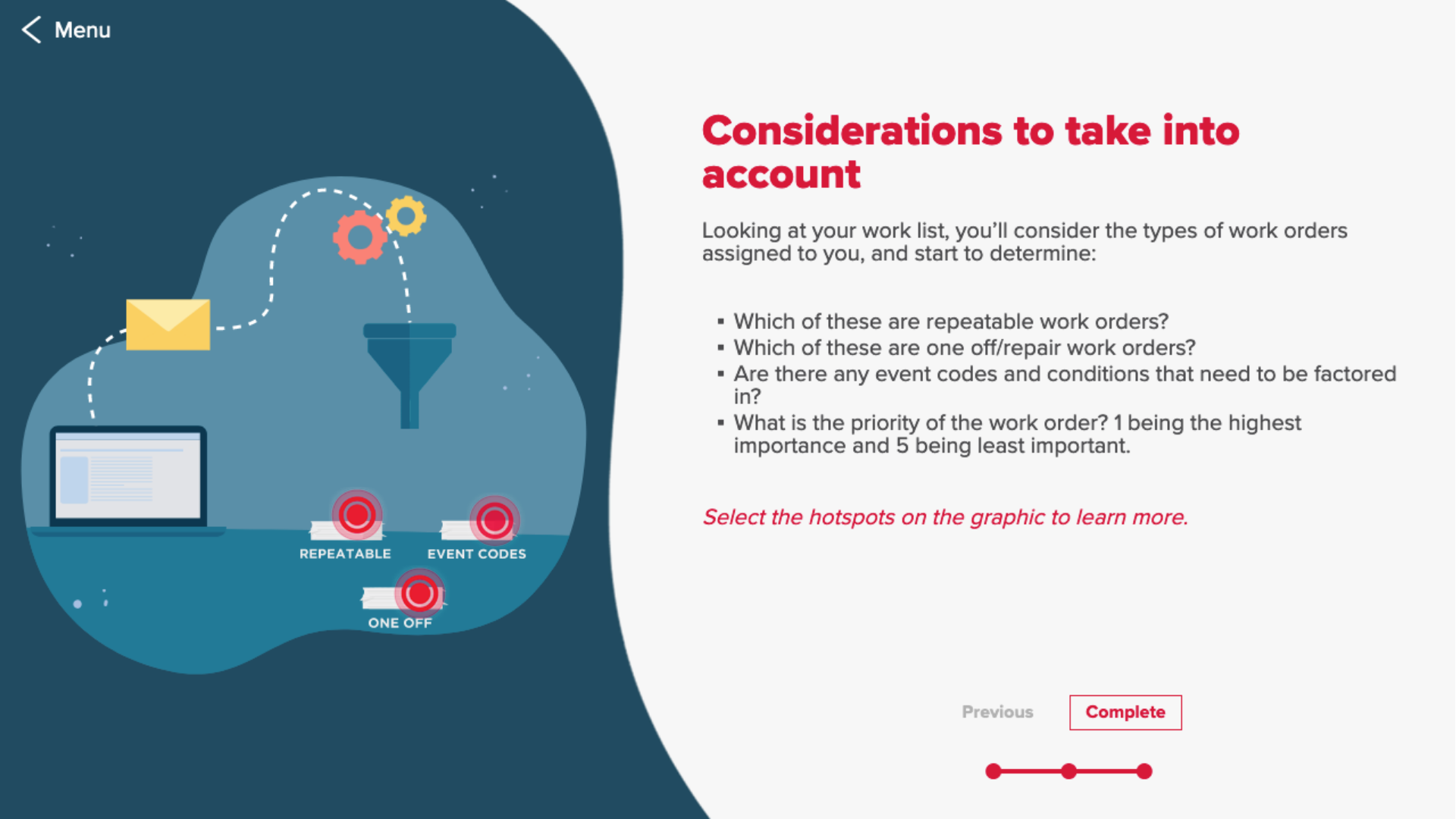
Animation helps people understand how information flows, subliminally helping them make connections between concepts or ideas. We used motion design to simplify information by showing how it’s related, thereby helping people understand how information flows and helping them make connections between concepts and ideas.
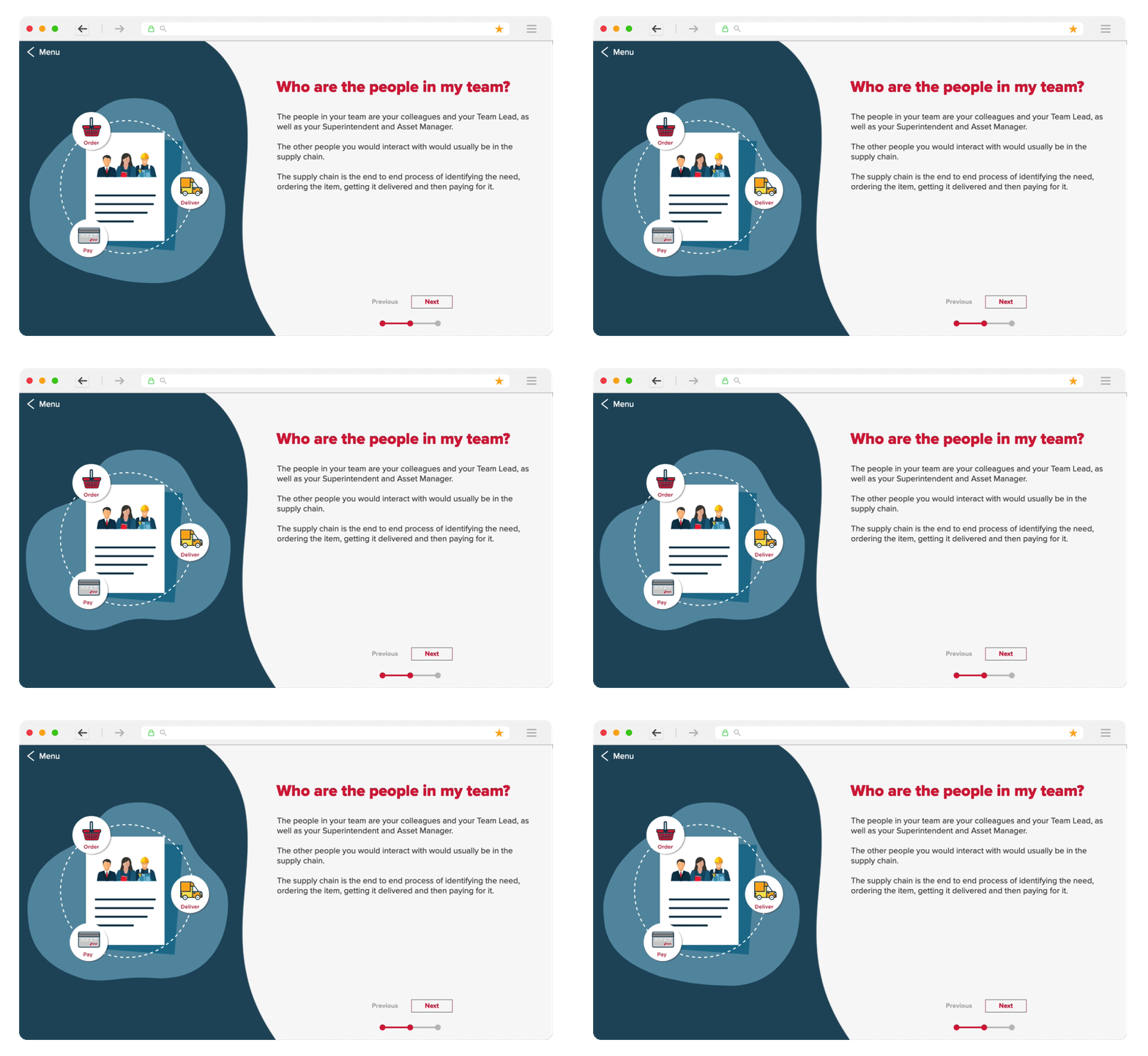
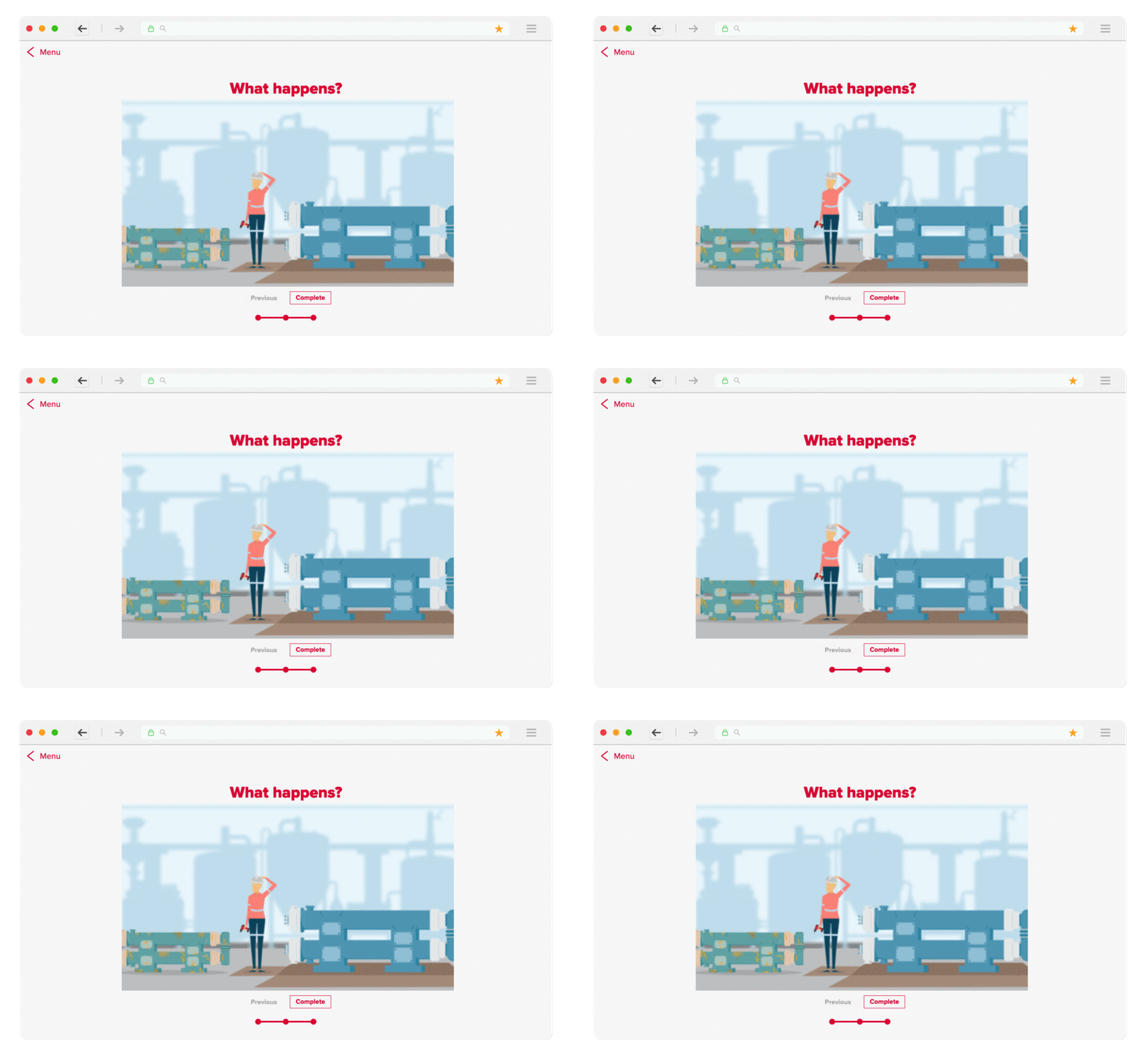
Using animation to tell stories enabled us to make the Resource Estimator feel as though they’ve lived through an experience.
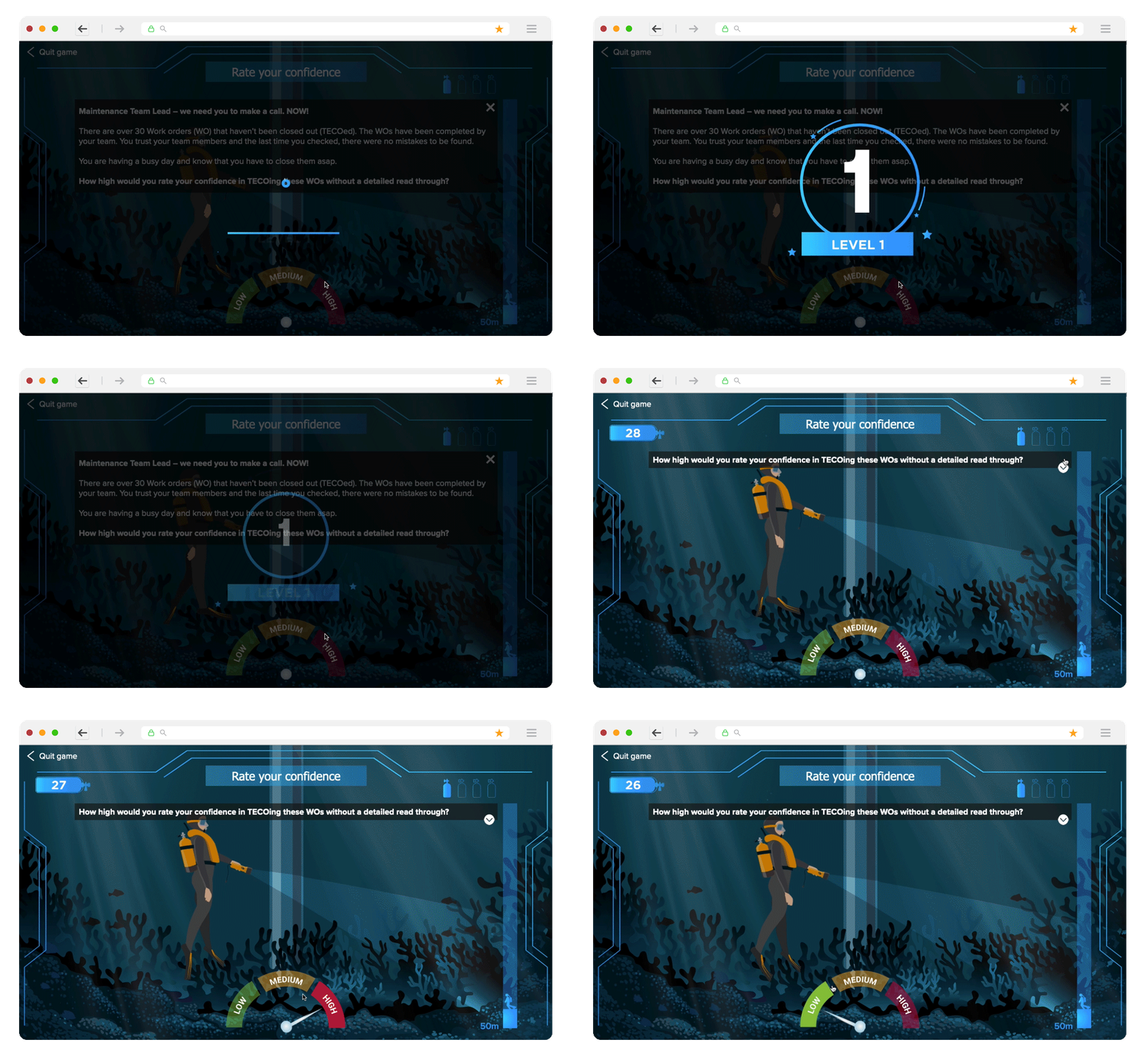
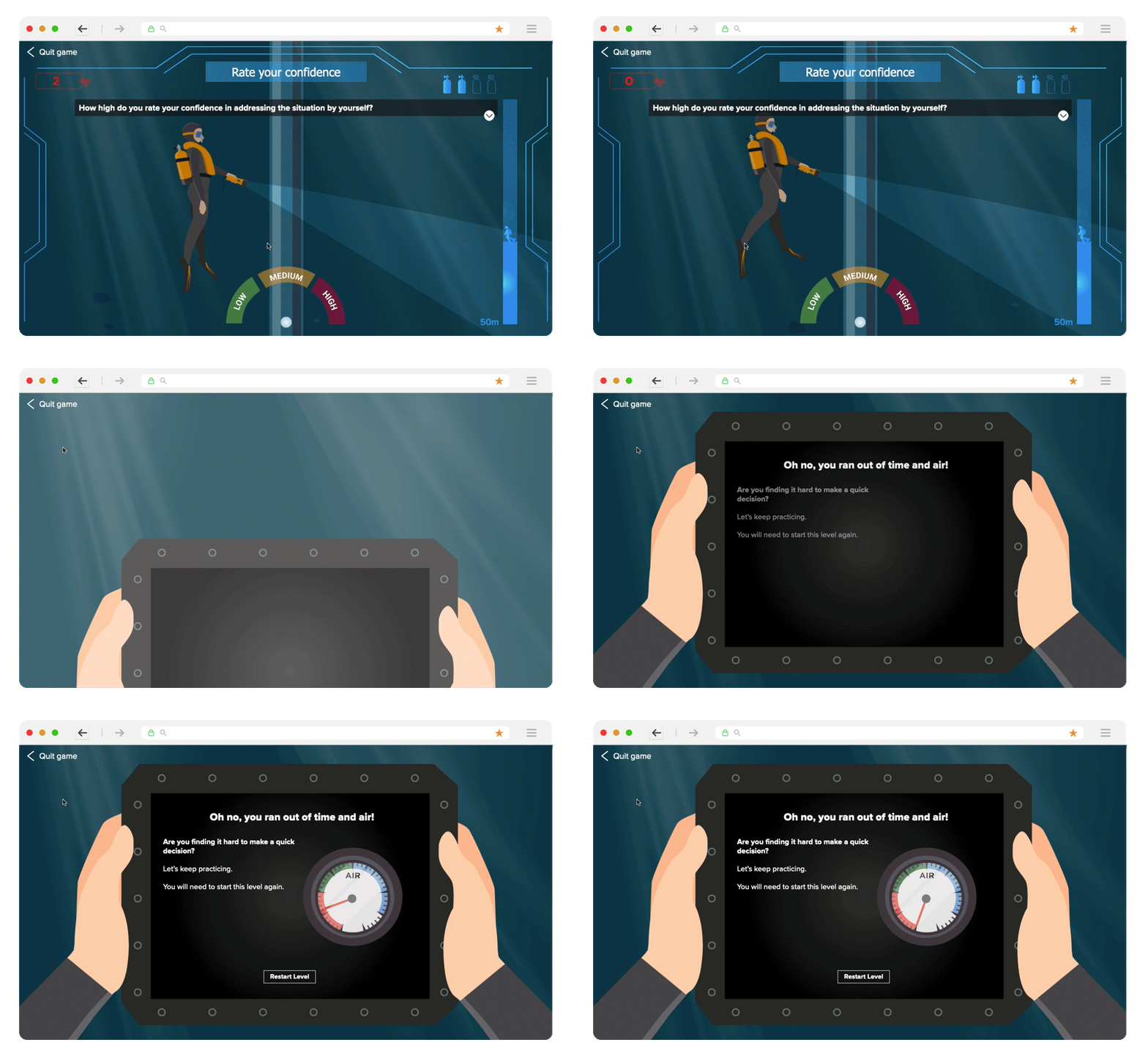
Animation allowed us to create a 2D game that allowed learners to make risk-based, time-sensitive decisions in high-pressure situations.
Testing and Iteration
The testing approach I implemented consisted of the following methods Wizard of Oz, moderated and unmoderated user testing. Here, stakeholders had an opportunity to provide feedback and design improvements. Our co-design approach was not a single event; it was iterative; therefore, it occurred throughout our design process as well as after we had released features, tools or products.
Outcome
The two learning experiences for Maintenance Team Leads and Resource Estimators within the Maintenance Division drastically improved the onboarding process. Due to this success, the organisation is currently collaborating with the firm to expand this gamified strategy to learning to other divisions.
Revenue Generated
$300k
Mandla Shonhiwa
© 2025 All rights reserved.